
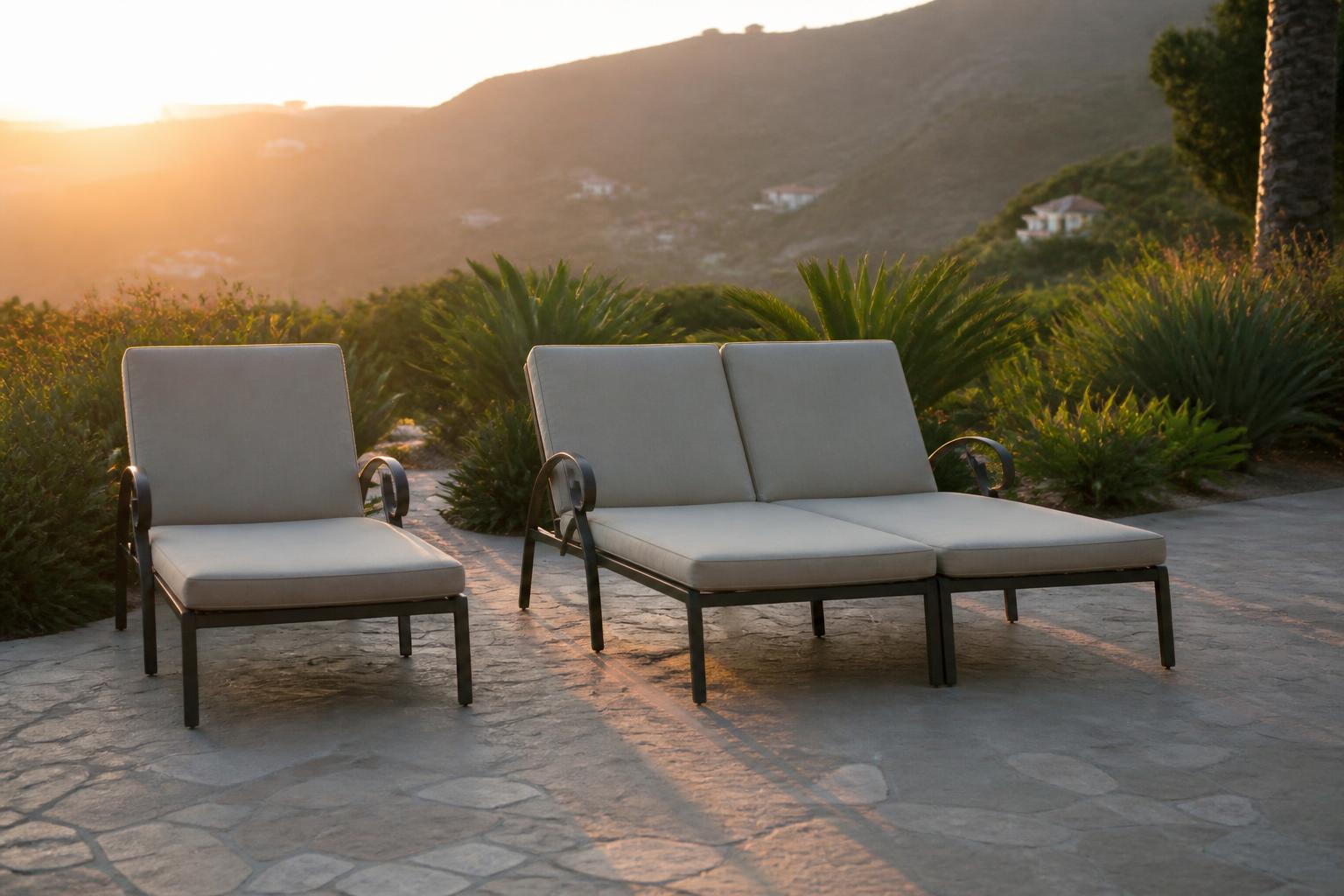
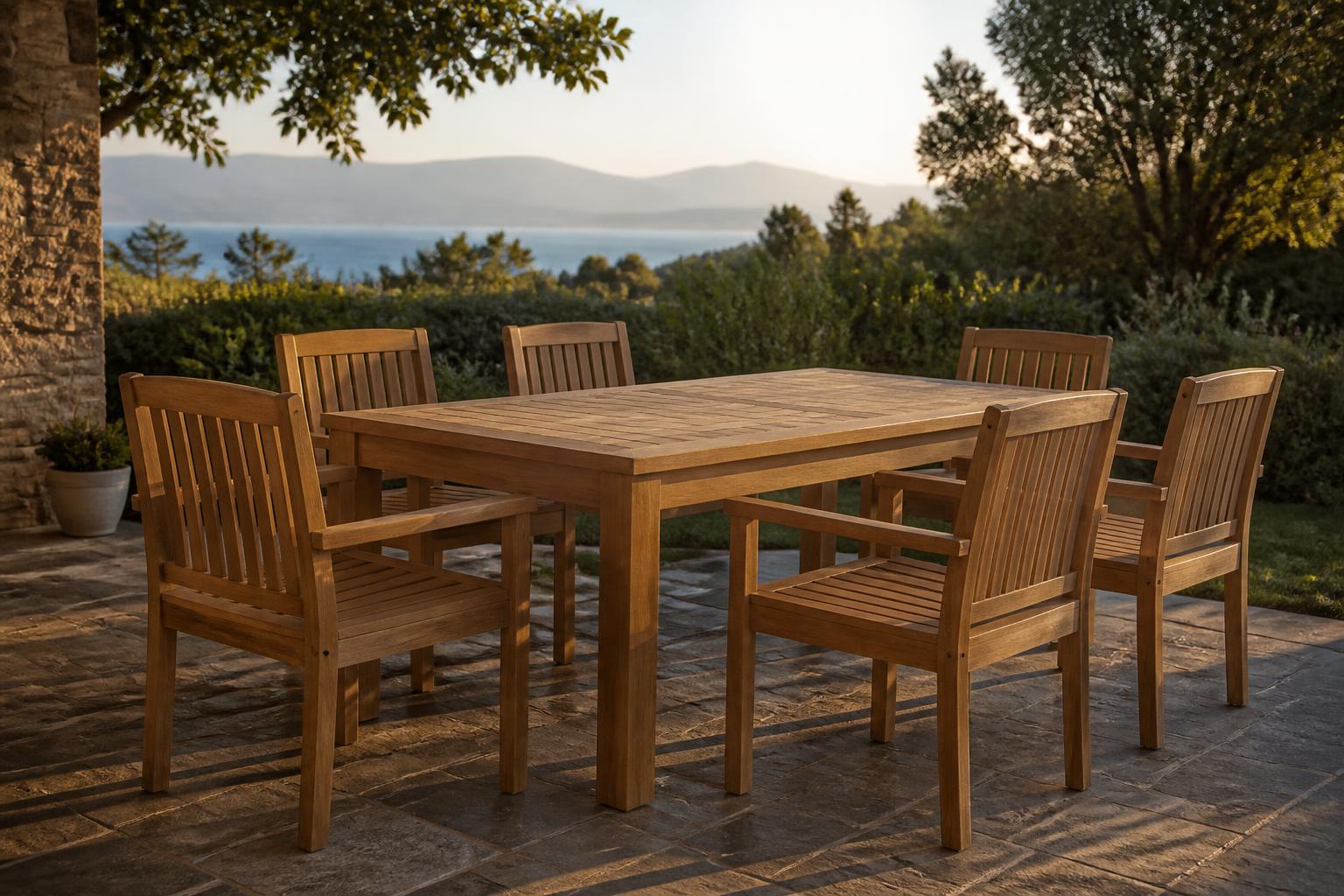
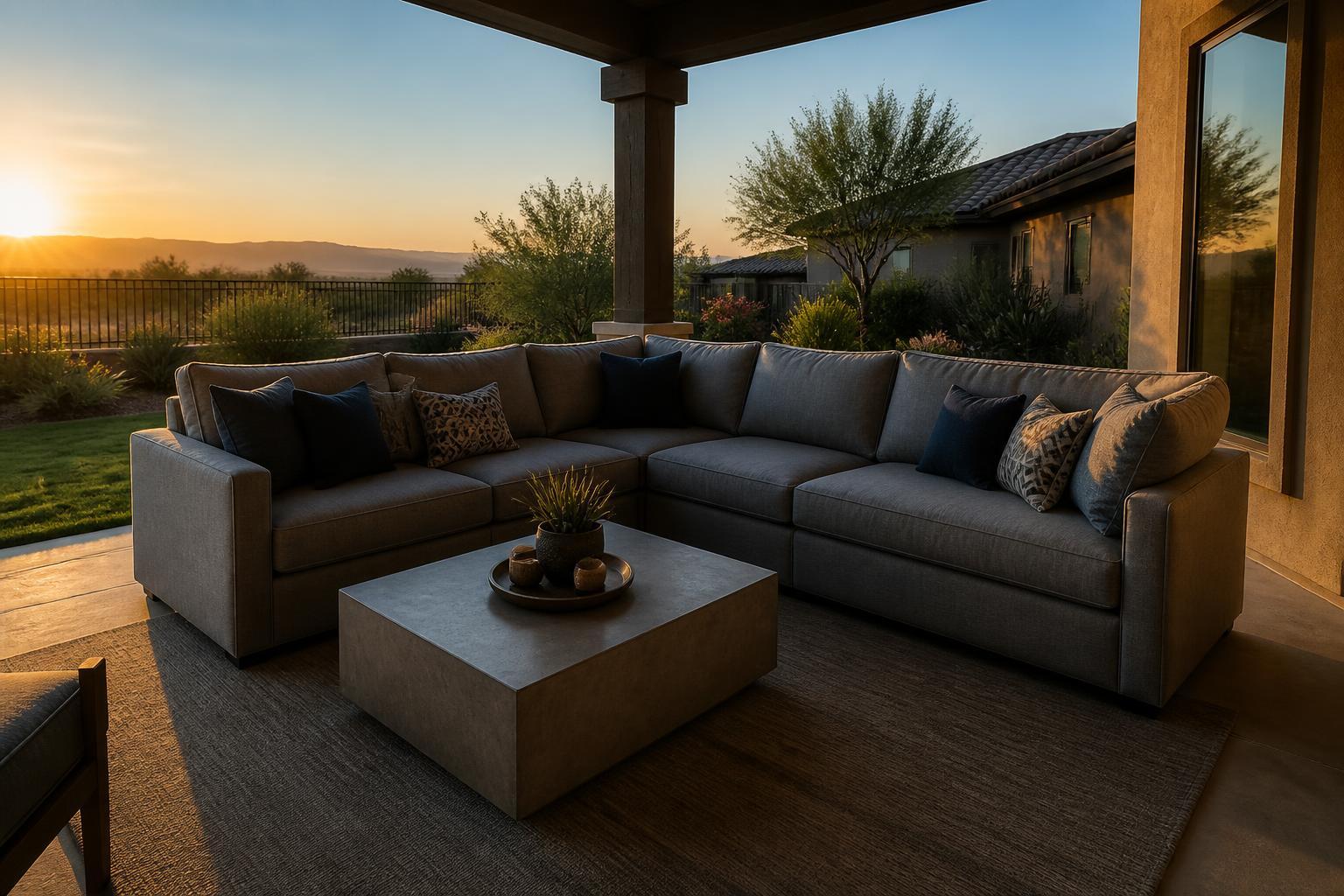
An outdoor furniture buying guide for the Carolinas has to account for something that most national buying guides ignore: our region throws every type of weather at your patio furniture within a single year. Humid summers that push past 95 degrees with tropical-level humidity, ice storms in January that coat every surface in a quarter inch of frozen glaze, pollen seasons that turn your patio yellow overnight, and enough rain year-round to keep outdoor surfaces perpetually damp for weeks at a time. The furniture that survives this range of conditions is fundamentally different from what works in Arizona or Southern California. This guide walks through material selection, budget planning, and maintenance strategies based on conditions specific to North and South Carolina.
Carolina Climate Considerations for Outdoor Furniture

Before evaluating specific materials or styles, understanding what the Carolina climate actually does to outdoor furniture helps frame every decision that follows.
Unlike South Florida, which stays warm year-round, the Carolinas experience genuine four-season weather. This means your outdoor furniture needs to handle freezing temperatures, ice accumulation, and frost in addition to summer heat and humidity. That freeze-thaw cycle — where water absorbed into a material freezes, expands, and cracks the structure from within — eliminates certain materials that perform well in frost-free climates.
Charlotte averages 43 inches of rainfall annually, spread relatively evenly across all twelve months. Your furniture will get wet regularly regardless of season. Unlike desert climates where outdoor furniture dries quickly, the Carolinas’ humidity means wet surfaces stay damp for hours or days, creating conditions that promote mold growth, rust development, and finish deterioration on vulnerable materials.
Pollen season runs roughly from March through May, with peak intensity in April when pine and oak trees release massive quantities of pollen simultaneously. This pollen settles as a thick yellow-green layer on every outdoor surface and, if left uncleaned, can stain lighter-colored fabrics, clog wicker weave patterns, and accelerate surface degradation on finishes that trap the organic particles against the material.
Homeowners in the Piedmont region and mountain areas face an additional challenge: heavier freeze-thaw cycles that can crack materials like natural stone tabletops, concrete-based furniture, and unsealed wood. Asheville and the mountain foothills experience significantly more freeze events per winter than Charlotte or the coast, making material durability in cold conditions an even bigger factor.
Material Selection: What Works in Southern Humidity
The material you choose determines how much maintenance you will do, how long the furniture lasts, and how it looks after multiple seasons of Carolina weather exposure.
Powder-coated aluminum is the best all-around choice for Carolina homeowners. It handles humidity without rusting, survives rain without absorbing moisture, tolerates temperature swings from summer highs to winter lows without warping, and weighs little enough to move for storm prep or seasonal rearrangement. Quality powder-coated aluminum outdoor furniture can last 15 to 20 years in the Carolinas with nothing more than occasional cleaning and a touch-up if the finish chips.
Florida-based Palm Casual has been selling direct-from-factory outdoor furniture since 1979 — their material guides apply to our Carolina climate too, since both regions deal with high humidity and heavy rainfall as primary wear factors.
HDPE poly lumber handles freeze-thaw cycles better than any natural wood option. Because it does not absorb water at all — the HDPE plastic is non-porous at the molecular level — there is no moisture inside the material to freeze and expand. This makes poly lumber essentially immune to the cracking and splitting that destroys natural wood furniture over multiple Carolina winters. Poly lumber also resists UV fading, mold, and insect damage without any applied coatings or treatments.
Cedar and teak are the strongest natural wood options for outdoor use in the Carolinas. Cedar’s natural oils provide moderate resistance to rot and insects, though it is softer than teak and more prone to surface damage from hail or impact. Teak is denser and more durable but carries a premium price point. Both require annual sealing to prevent moisture absorption during the wet season — skip that step, and you risk warping, checking, and accelerated decay even in wood species that are naturally rot-resistant.
Budget Tiers: What to Expect at Each Price Point
Outdoor furniture pricing varies enormously, and understanding what each price tier delivers in terms of materials, construction quality, and expected lifespan helps you make an informed investment rather than a regrettable impulse purchase.
At the entry level — $300 to $800 for a four-piece set — expect stamped steel or thin-gauge aluminum frames with polyester cushions. This tier delivers functional outdoor seating that looks fine initially but shows significant wear within two to three seasons of year-round Carolina exposure. The frames may rust at weld points, cushion fabrics fade and develop mildew, and hardware loosens as cheap fasteners corrode. If you plan to replace your outdoor furniture every few years or only use it seasonally, this tier can make sense financially. But for year-round, long-term use, the cost-per-year calculation often favors spending more upfront.
The mid-range tier — $800 to $2,500 — is where quality and value intersect for most Carolina homeowners. Sets in this range typically feature cast aluminum or quality resin wicker frames with Sunbrella-type solution-dyed acrylic cushions. Expect five to eight years of solid performance with basic maintenance: annual cleaning, periodic hardware tightening, and cushion storage during extended winter wet periods. This tier offers the best balance of initial investment and service life for homeowners who want quality without the premium price tag.
Premium outdoor furniture — $2,500 to $6,000 and above — includes teak, marine-grade aluminum, and commercial-grade poly lumber built to last a decade or two. Sets at this price point carry longer warranties (often 10 to 20 years), superior construction details like mortise-and-tenon joinery or stainless steel fasteners, and materials that handle the full range of Carolina weather with minimal maintenance. If you view outdoor furniture as a long-term investment rather than a consumable purchase, this tier delivers the lowest cost per year of ownership.
Regardless of which price tier you choose, factor in cushion replacement every three to five years. Carolina humidity and UV exposure degrade even premium outdoor fabrics over time. A full set of replacement Sunbrella cushions for a four-to-six-person dining or conversation set runs $400 to $800 — a recurring cost that applies at every price tier.
Where to Buy: Retail, Online, and Factory Direct

How you buy outdoor furniture affects your experience as much as what you buy. Each sales channel has advantages and trade-offs worth understanding before you commit.
Local showrooms — including our Charlotte store — let you test comfort and see finish quality in person before purchasing. This hands-on evaluation is especially important for seating, where cushion density, seat depth, back angle, and armrest height vary widely between brands and models. Photos and measurements cannot replicate the experience of sitting in a chair for five minutes to assess comfort. Local dealers also provide immediate resolution for warranty claims and damage issues without the delays of shipping furniture back to an online retailer.
Online retailers offer wider selection and sometimes better pricing than local stores, particularly on brands that sell direct to consumers. However, shipping damage on heavy outdoor furniture is common, and resolving claims with online retailers can take weeks of emails, photos, and waiting for replacement parts. If you buy online, inspect every piece immediately upon delivery and document any damage before assembling or discarding packaging.
Factory-direct brands eliminate the retailer markup and often offer customization options — frame color, fabric choice, table size — that big-box stores cannot match. The trade-off is typically longer lead times (four to eight weeks for custom orders) and limited ability to see or test the product before it arrives. Factory-direct purchasing works best when you already know the brand and model you want from having seen it in a showroom or at a friend’s home.
Regardless of channel, always ask about delivery and assembly options. Many premium brands include white-glove delivery with setup and packaging removal, while budget options arrive flat-packed in multiple boxes requiring hours of assembly with included tools. That assembly time and complexity should factor into your buying decision, especially for larger dining sets and sectionals.
Seasonal Care Calendar for Carolina Homeowners
Maintaining outdoor furniture in the Carolinas follows a seasonal rhythm tied to our weather patterns. Following this calendar keeps your furniture in top condition and extends its service life regardless of material.
Spring, from March through April, is deep cleaning season. After months of winter grime, rain residue, and the first waves of pollen, every piece of outdoor furniture needs a thorough wash before entertaining season begins. Use a mild soap and soft brush on frames, remove and wash cushion covers according to fabric care instructions, and inspect all hardware for corrosion or loosening that developed over winter. This annual deep clean prevents the kind of cumulative buildup that accelerates material degradation.
Summer, from June through August, shifts the focus to cushion management. Extended rain periods — Charlotte averages its heaviest rainfall in July — mean cushions need to come inside or go into weatherproof storage during multi-day wet stretches. Leaving cushions on furniture in sustained rain promotes mildew development inside the foam core, which is difficult to remediate once established. If mildew does develop, treat it immediately with a solution of one cup bleach per gallon of water, rinse thoroughly, and dry completely in direct sun.
Fall, from October through November, is preparation season. Apply protective sealants to any wood furniture before temperatures drop and moisture levels increase with fall rain. Tighten all hardware connections on every piece — the expansion and contraction cycles of summer heat create loosening that leaves joints vulnerable during winter stress. Inspect frames for any paint chips or finish damage and touch up before cold weather makes coatings harder to apply and cure.
Winter, from December through February, is protection season. Cover or store furniture during freeze warnings, even materials rated for cold weather. Ice accumulation adds significant weight to frames and can deform thin structures or tear mesh and fabric slings. Snow and ice also trap moisture against surfaces, extending wet-contact time that promotes rust and mold. Even cold-rated materials benefit from covering when ice and snow are in the forecast.
Frequently Asked Questions
What outdoor furniture material lasts longest in the Carolinas?
HDPE poly lumber and marine-grade powder-coated aluminum last the longest in Carolina conditions, both offering 15 to 20 years of service with minimal maintenance. Poly lumber is especially strong for the Carolinas because it is immune to freeze-thaw damage, which is the leading cause of material failure for natural wood furniture in our region.
Do I need to cover outdoor furniture in winter in Charlotte?
Covering outdoor furniture during freeze warnings and ice storms is strongly recommended, even for durable materials like aluminum and poly lumber. Ice adds weight that can deform frames, and prolonged moisture contact under ice or snow promotes corrosion on metals and mildew on cushion fabrics. Breathable, vented covers are ideal — avoid sealed plastic tarps that trap condensation.
How often should I clean outdoor furniture in the Carolinas?
Plan for a thorough deep clean in early spring after pollen season, plus light cleanings monthly during the outdoor season (April through October). During peak pollen weeks in April, rinsing furniture every few days prevents pollen staining on lighter-colored fabrics and finishes. Year-round, a quick rinse after rain storms removes residue before it dries and bonds to surfaces.
Ready to find the right outdoor furniture for your Carolina home? Visit our Charlotte showroom at 2438 Park Road to browse our full selection, or call (704) 274-3222 to speak with our team about material recommendations for your specific outdoor space and budget.