

Eco-friendly patio furniture sounds great, but it can be tough to know what that really means. Labels and tags use lots of green words, yet not all of them add up to real benefits for the environment or for your backyard.
As people in the Carolinas start thinking about opening up porches and patios again, many want outdoor spaces that feel good and also do good. That means asking better questions about what your furniture is made of, how it is built, and what happens to it down the road. Our goal is to walk through those questions so you can spot real sustainability and skip the greenwashing.
We will look at materials, certifications, recycled content, manufacturing transparency, and end-of-life recyclability. As a family-owned outdoor furniture manufacturer here in the Carolinas, we care a lot about long-lasting, eco-conscious options, and we want you to feel confident in every piece you bring home.
What Eco-Friendly Really Means for Patio Furniture
When we say patio furniture should be eco-friendly, we are talking about more than a pretty green leaf icon on a tag. True sustainability covers the full life of the product, from raw materials to recycling.
Real eco-friendly furniture usually includes:
• Responsible materials with lower impact
• Cleaner manufacturing and finishing when possible
• Long product life outdoors
• Options to repair, reuse, or recycle at the end
Marketing words like “natural,” “green,” or “earth friendly” sound nice but do not tell you much on their own. Look instead for things you can measure or verify, such as:
• Listed recycled content percentages by material
• Clear information on where wood or fibers are sourced
• Notes about low-VOC finishes, stains, or paints
Durability matters just as much as the material itself. Outdoor furniture that falls apart after a short time often ends up in a landfill and has to be replaced, which means more energy, more materials, and more shipping. Furniture that survives season after season cuts down waste over time.
That is why we focus on long-lasting wicker, aluminum, cast aluminum, poly lumber, and PVC frames along with outdoor fabrics that are made to handle sun and rain. When pieces stay strong and comfortable for years, they support both your wallet and the planet.
Decode Certifications and Labels Before You Buy
Certifications can be helpful, but only if you know what you are looking at. Different labels apply to different parts of the furniture, like the material, the factory, or the finish.
Common things you may see include:
• Wood certifications that relate to responsible forestry
• Recycled content claims for metals or plastics
• Low-VOC or low-emission labels for paints and finishes
When you are shopping, take a second to read the tag or product page:
• The name of the certification
• Who issued it, and if it is a third-party group
• What it covers, such as material, factory, or full product
• Any dates or version numbers
Be cautious with vague language like “eco certified” without any group listed, or “made from recycled materials” with no details. You are allowed to ask questions such as:
• Is this certification from an independent organization?
• Does it apply to the raw material or the finished furniture?
• Can I see more information or documentation?
A reputable manufacturer should not mind sharing how their furniture is built or what standards they follow. Clear answers are a sign that the company has nothing to hide about its materials or process.
Verify Recycled Content and Responsible Materials
Different patio materials have different impacts, and some can be more eco-conscious than others depending on how they are sourced and used.
Here is a simple breakdown of common materials:
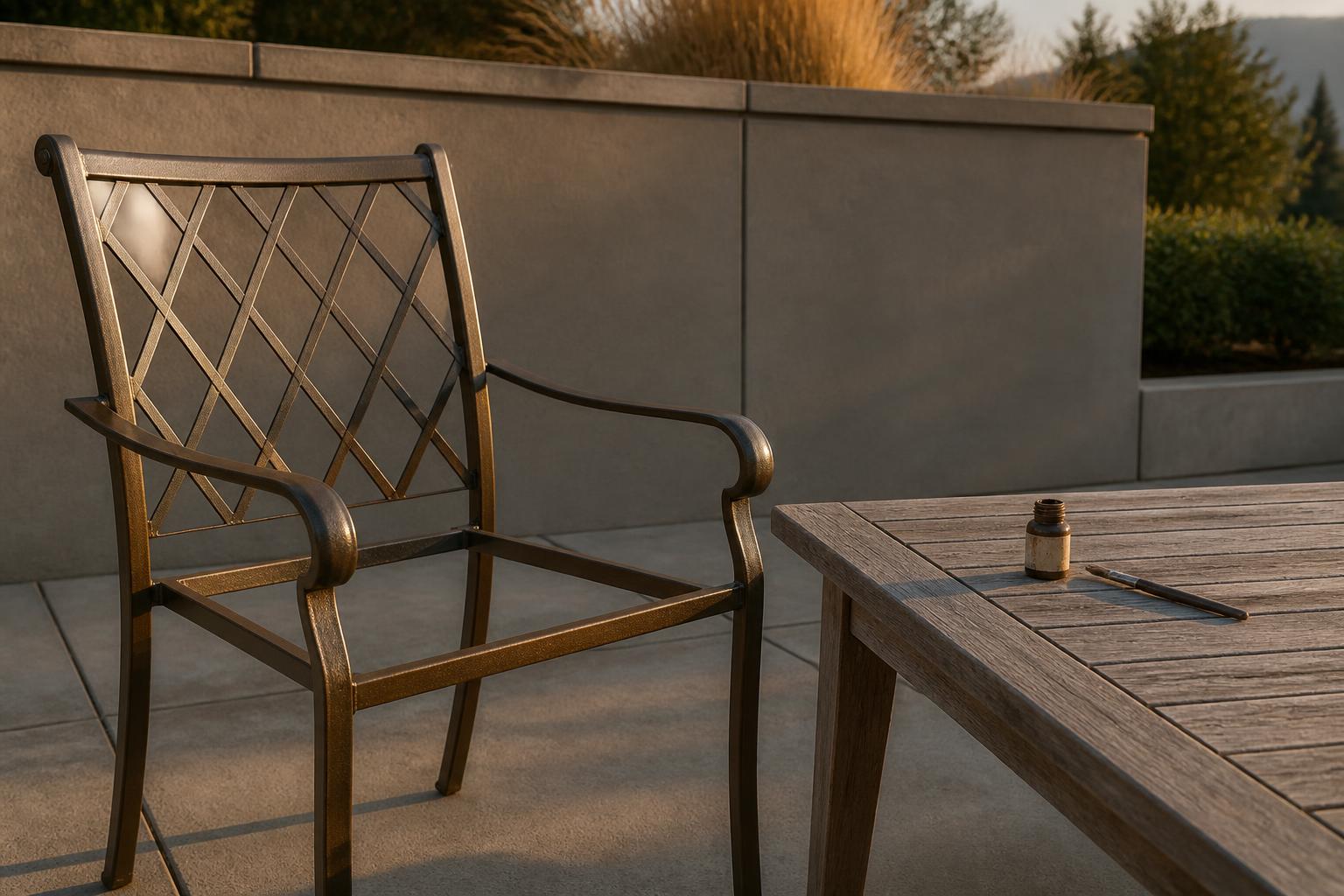
• Aluminum and cast aluminum: Often include recycled content and can usually be recycled again at the end of their life. You can ask the brand if they use recycled metal and, if so, what percentage they aim for.
• Poly lumber and PVC: These plastics can include post-consumer or post-industrial recycled content. Look for notes about recycled plastic, resin identification codes, and how the material performs outdoors. Quality poly and PVC resist moisture and do not need frequent replacement.
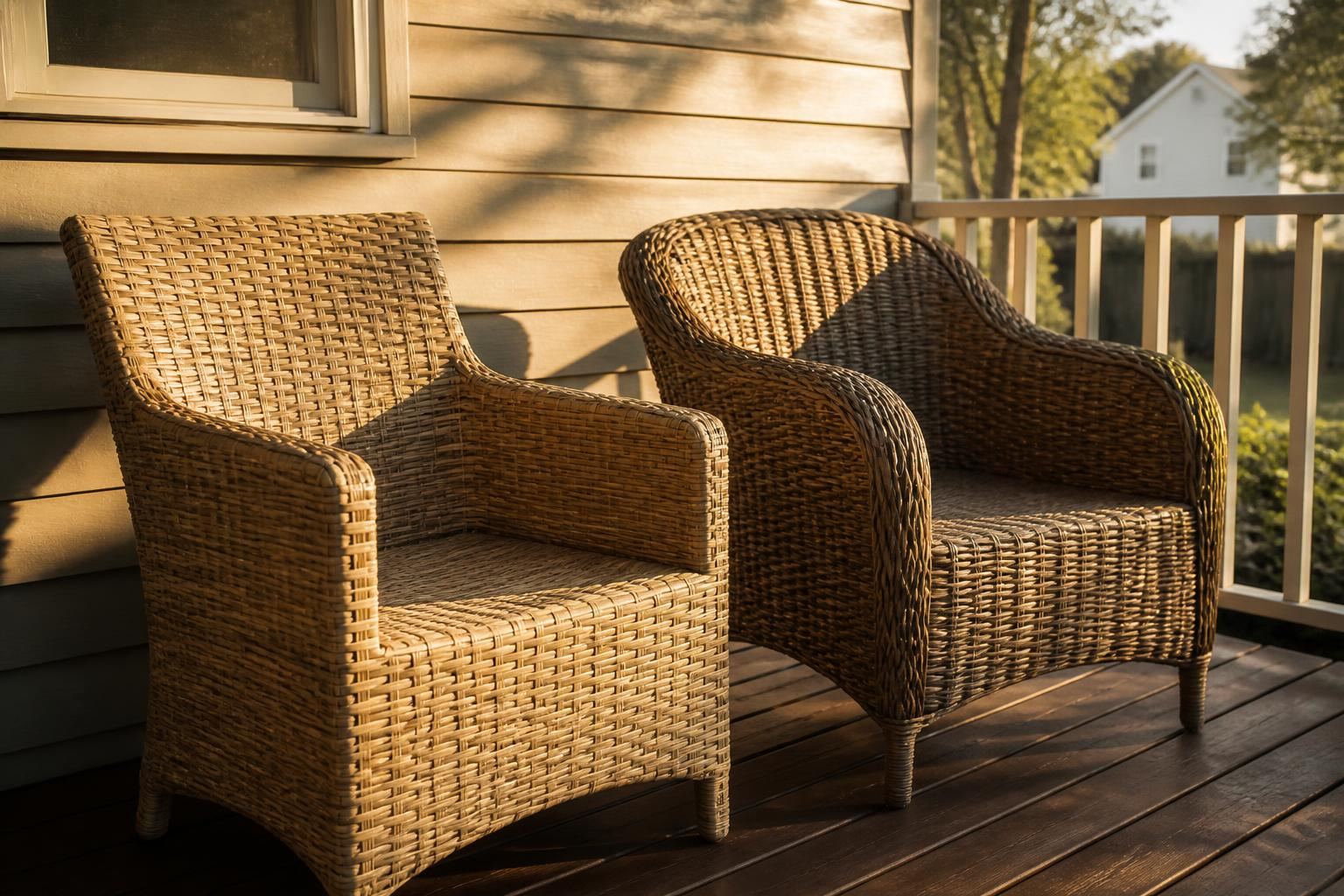
• Wicker: There is natural wicker and synthetic wicker. Natural wicker has a more organic origin but may not last as long outside. High-quality outdoor wicker, made for UV and weather resistance, can last longer, which reduces waste.
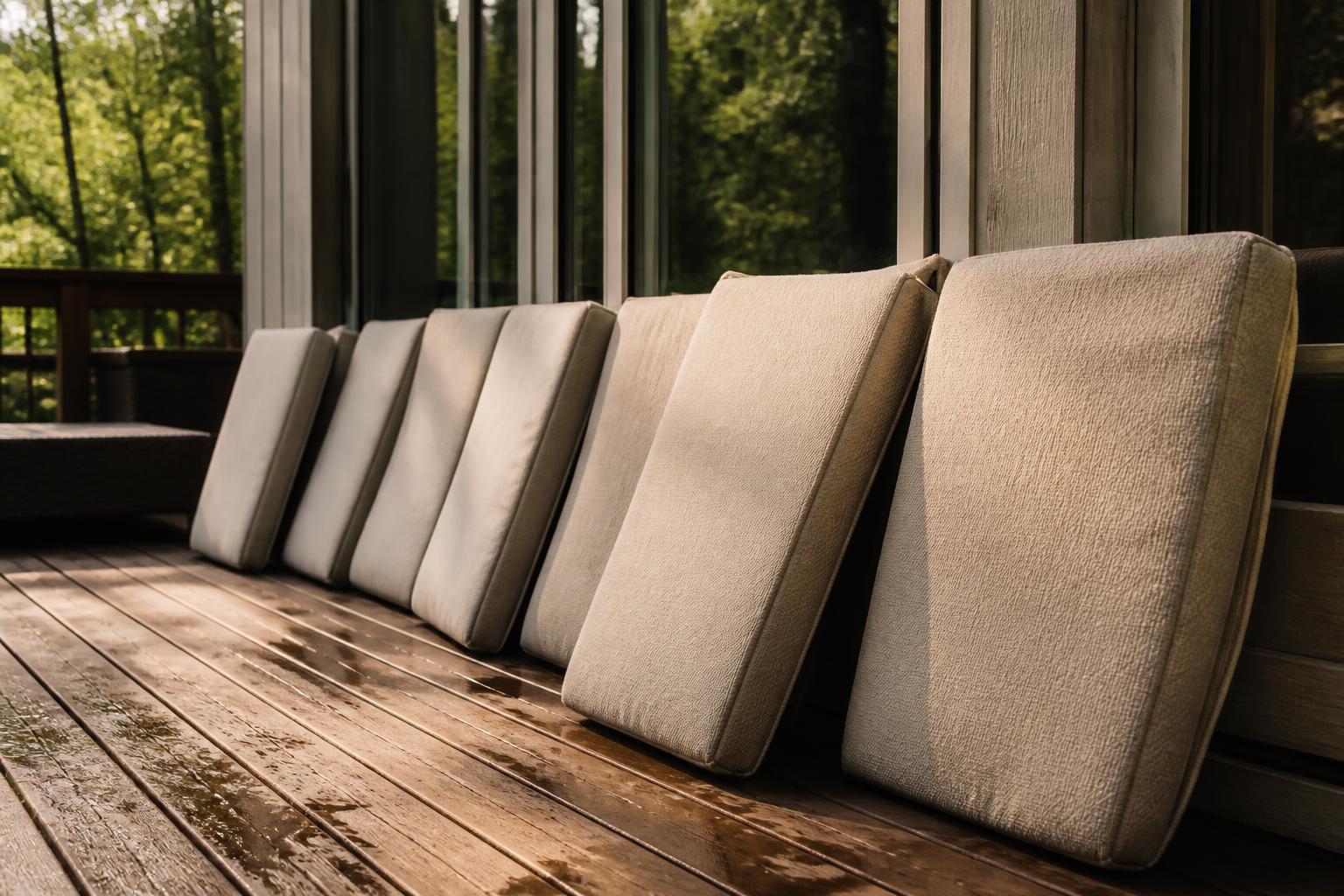
• Performance fabrics: Outdoor fabrics that resist fading, mildew, and wear reduce how often you need to replace cushions. Ask what kind of treatments are used and if they are designed for long-term outdoor use.
For plastics, it helps to know if the recycled content is post-consumer, meaning it comes from everyday items that were used and recycled, or post-industrial, which comes from scrap left over in factories. Both keep material out of landfills, but clear labeling shows the brand has done its homework.
Demand Transparency in Manufacturing and Supply Chains
How and where patio furniture is made has a big impact too. Long shipping routes, poorly managed factories, and wasteful production can raise the footprint of each piece before it ever reaches your backyard.
Smart questions to ask any brand include:
• Where is this furniture manufactured?
• Do you run your own facility or outsource production?
• What steps do you take to reduce waste and emissions?
• How do you monitor quality and working conditions?
When you buy from regional manufacturers, you often get shorter supply chains, fewer transport miles, and better control over materials and quality. For homeowners in the Carolinas, choosing furniture built in this region can mean less time on trucks and more oversight of how products are made.
Factory-direct models can also cut out some extra layers of packaging and shipping. Fewer steps between the maker and your patio can mean less waste and more open communication about what really goes into the furniture.
Plan for Repair, Take-Back, and End-of-Life Recyclability
Eco-friendly patio furniture should not have a dead end. When a piece wears out or needs a little help, you should have options besides tossing it.
Before you buy, it helps to ask:
• Are replacement slings, cushions, or hardware available?
• Can damaged parts be swapped out without replacing the whole piece?
• Can the frame and other components be taken apart for recycling?
Some materials are easier to recycle than others. Aluminum frames are widely accepted in metal recycling streams. Plastics can be trickier, but clear material labels and single-material frames make it easier for recycling centers to process them.
A responsible manufacturer will also guide you on:
• Basic care and maintenance to extend product life
• How to store furniture in harsh weather
• What local recycling or scrap options may work for old frames
When furniture is designed with repair and recyclability in mind, you get more seasons of use and a cleaner conscience. That is the kind of outdoor living space that feels good every time you step outside.
Get Started With Your Project Today
Transform your outdoor space with eco-friendly patio furniture that’s built to last and easy to care for. At Carolina Patio Furniture, we can help you choose pieces that match your style while supporting sustainable materials. If you have questions or want personalized recommendations, just contact us.