
Wrought Iron Patio Furniture: Pros, Cons, and Care
Wrought iron patio furniture carries a sense of permanence that few other materials can match. It is heavy, solid, intricately detailed, and has been used in outdoor settings for centuries. If you have ever sat in a wrought iron chair at a European-style cafe or admired an ornate iron bench in a Charleston garden, you understand the appeal.
But wrought iron also comes with real trade-offs. Understanding the pros, cons, and care requirements will help you decide whether it is the right choice for your Charlotte patio, or whether a modern alternative like aluminum might serve you better.
What Is Wrought Iron?
True wrought iron is iron that has been heated and worked by hand or machine into shape. It has a fibrous grain structure that makes it strong and somewhat flexible. Historically, wrought iron was the standard for decorative metalwork, from fences to furniture to garden gates.
Today, most furniture sold as wrought iron is actually made from mild steel that is shaped to mimic traditional wrought iron designs. The distinction matters primarily in terms of rust resistance: true wrought iron has slightly better natural corrosion resistance than mild steel, though both require protective finishes for outdoor use.
The Pros of Wrought Iron Furniture
Exceptional Durability
Wrought iron furniture is built to last decades. The heavy gauge metal and solid construction mean these pieces can handle anything from a rambunctious family gathering to a Charlotte ice storm. When properly maintained, wrought iron furniture can last a lifetime and beyond, often becoming heirloom pieces passed down through families.
Wind Resistance
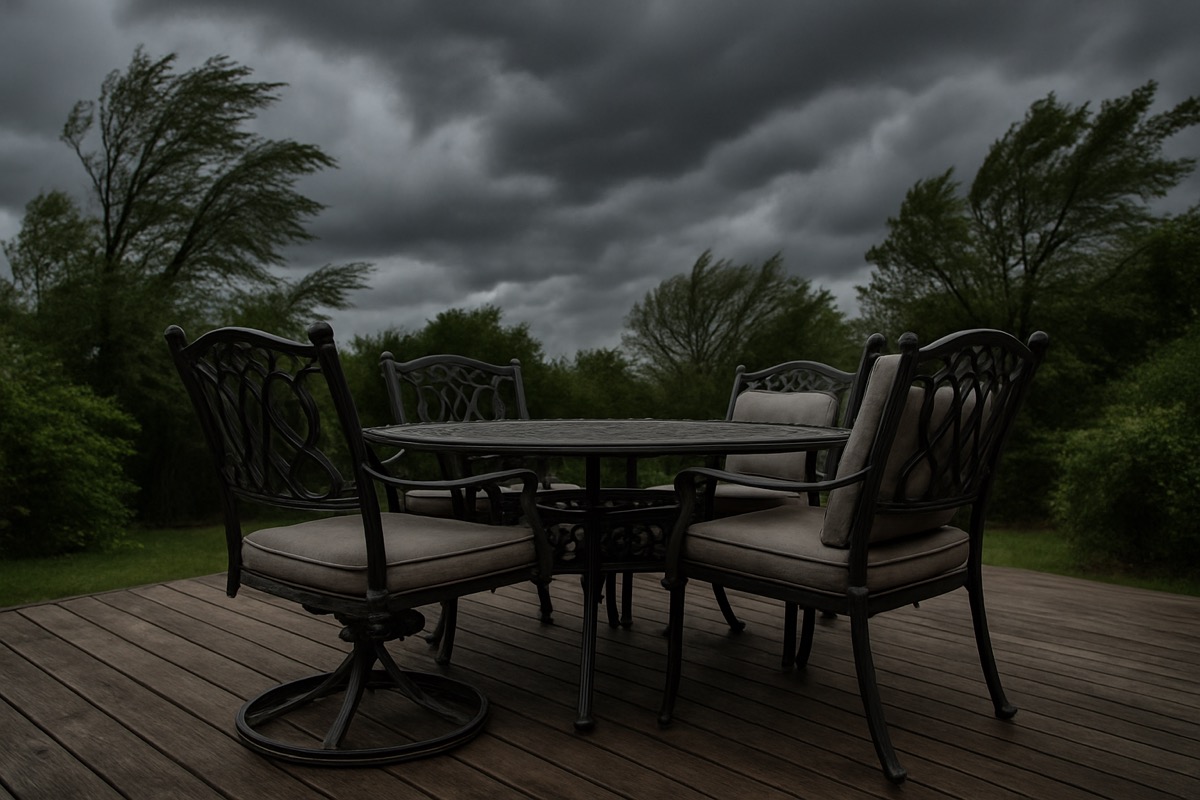
Weight is a genuine advantage in outdoor furniture. Wrought iron pieces are heavy enough that they will not blow over in strong winds or tip when someone leans back in a chair. In the Charlotte area, where summer thunderstorms can bring sudden gusts, this stability provides peace of mind. You will never need to drag wrought iron furniture into the garage before a storm.
Classic Aesthetic
The intricate scrollwork, floral motifs, and detailed patterns available in wrought iron furniture are difficult to replicate in other materials. For traditional Southern homes, historic districts, and garden-style landscapes, wrought iron provides an aesthetic authenticity that complements the architecture.
Eco-Friendly
Iron is one of the most recyclable materials on the planet. Wrought iron furniture can be recycled indefinitely, and purchasing vintage pieces keeps them out of landfills. For environmentally conscious homeowners, this is a meaningful advantage.
The Cons of Wrought Iron Furniture
Rust
This is the biggest drawback. Iron rusts when exposed to moisture, and Charlotte’s humid subtropical climate provides plenty of moisture year-round. Even powder-coated wrought iron will eventually rust if the finish gets scratched or chipped, exposing the bare metal. Rust prevention requires ongoing vigilance and maintenance.
Weight
The same weight that keeps wrought iron stable makes it difficult to move. Rearranging a wrought iron dining set requires real effort, and carrying pieces in and out for storage is impractical for most people. This also makes wrought iron a poor choice for upper-level decks and balconies where weight capacity may be a concern.
Heat Retention
Iron absorbs and retains heat from the sun. On a hot Charlotte afternoon, a wrought iron chair or table in direct sunlight can become uncomfortable or even hot enough to burn skin. Cushions are essentially mandatory for seating, and placement in shade is strongly recommended.
Comfort Without Cushions
Wrought iron seating without cushions is hard and cold in cool weather, hot in warm weather, and generally uncomfortable for extended sitting. Budget for quality outdoor cushions as a necessary addition, not an optional accessory.
Wrought Iron vs. Aluminum: A Comparison
Many homeowners weigh wrought iron against aluminum, and it is a fair comparison. Here is how they stack up:
- Weight: Aluminum is roughly one-third the weight of wrought iron. If you need to move furniture regularly, aluminum wins.
- Rust: Aluminum does not rust at all. Wrought iron rusts without proper protection. This is aluminum’s biggest advantage in the Carolina climate.
- Durability: Both are very durable, but wrought iron is harder and more resistant to denting. Aluminum can dent if struck hard.
- Style: Cast aluminum can replicate many of the ornate patterns traditionally associated with wrought iron, often indistinguishably at a distance.
- Price: Quality aluminum furniture and quality wrought iron furniture are in similar price ranges, though this varies by manufacturer and style.
- Maintenance: Aluminum needs minimal maintenance. Wrought iron needs regular inspection and refinishing.
For a comprehensive look at choosing the right furniture material, check out our patio furniture buying guide.
How to Care for Wrought Iron Furniture
Routine Cleaning
Wash wrought iron furniture with warm soapy water and a soft brush every few weeks during the season. Rinse thoroughly and dry completely. Standing water in crevices and joints is where rust starts, so pay extra attention to drying these areas.
Rust Prevention and Treatment
Inspect your furniture at the start of each season for chips, scratches, or early rust spots. If you catch rust early, remove it with fine sandpaper or a wire brush, apply a rust-inhibiting primer, and touch up with matching outdoor paint. If rust has spread extensively, the piece may need to be fully stripped and refinished by a professional.
Protective Finishes
A quality powder-coat finish is the best defense against rust. If your furniture’s finish is wearing thin, consider having it professionally re-powder-coated. For DIY maintenance, apply paste wax to the finish once or twice a year to add an additional moisture barrier.
Seasonal Storage
If possible, move wrought iron furniture to a covered area during extended periods of wet or freezing weather. At minimum, use fitted furniture covers. In Charlotte, the biggest risk period is winter when cold rain and occasional freezing temperatures accelerate rust formation on any compromised finish.
Frequently Asked Questions
How can I tell if my patio furniture is real wrought iron or steel?
True wrought iron has a slightly rough, fibrous surface texture and often shows subtle imperfections from hand-forging. Modern steel reproductions tend to have a smoother, more uniform surface. A magnet will stick to both. The most reliable indicator is age: if the piece was made before the mid-20th century, it is more likely true wrought iron. Most contemporary furniture labeled as wrought iron is actually formed steel with a wrought iron style.
Can wrought iron furniture stay outside all year in Charlotte?
It can, but it requires diligent maintenance. Charlotte’s humidity, average annual rainfall of 43 inches, and occasional freezing temperatures create conditions that accelerate rust formation. If you leave wrought iron furniture outside year-round, inspect it thoroughly each spring and fall, touch up any finish damage immediately, and consider applying a protective wax coating seasonally. Using furniture covers during winter months significantly extends the life of the finish.
Is wrought iron furniture worth the maintenance compared to aluminum?
That depends on your priorities. If you value the authentic weight, feel, and historical aesthetic of real iron and do not mind spending time on maintenance, wrought iron is a rewarding choice. If you prefer a low-maintenance option that still offers a traditional look, cast aluminum furniture replicates many wrought iron styles with virtually no upkeep. For most Charlotte homeowners, the practical advantages of aluminum make it the more popular choice.
Whether you are drawn to the classic weight of wrought iron or the practical benefits of aluminum, Carolina Patio Furniture can help you find the right outdoor furniture for your home. Visit our showroom in the Charlotte area to compare materials side by side, or contact us for a personalized recommendation.