

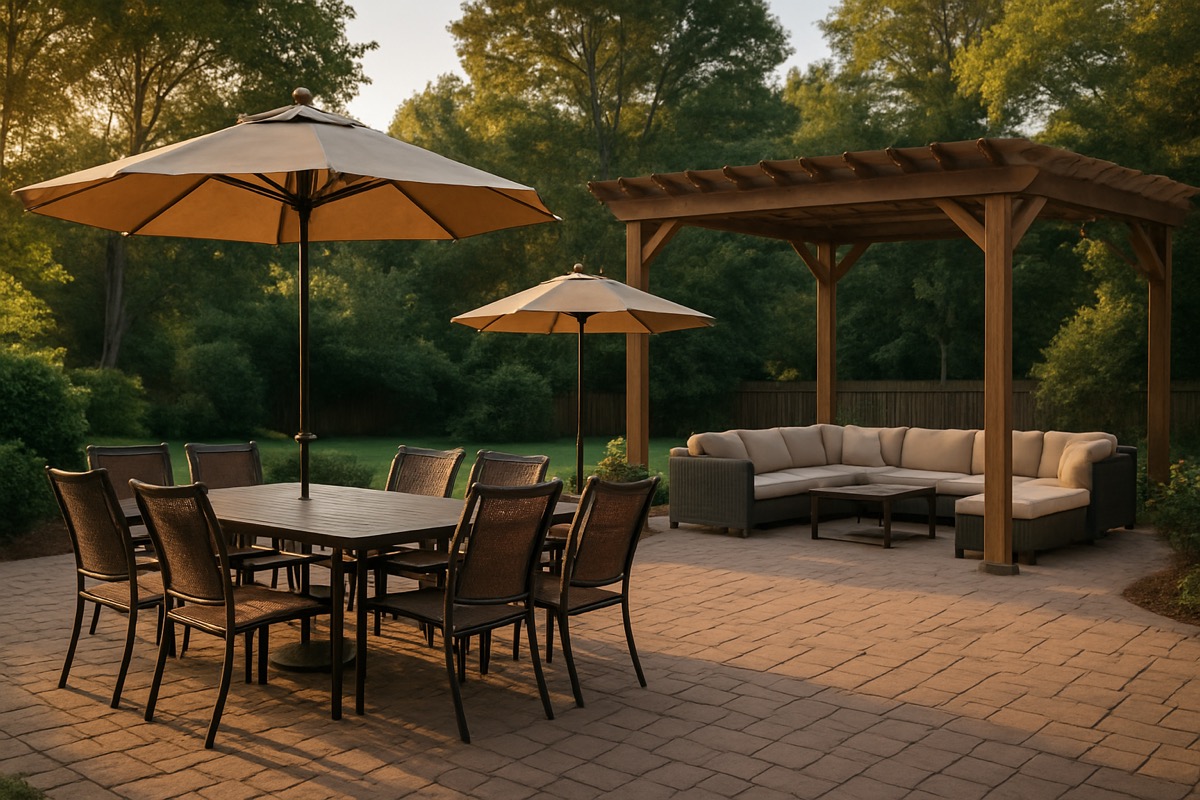
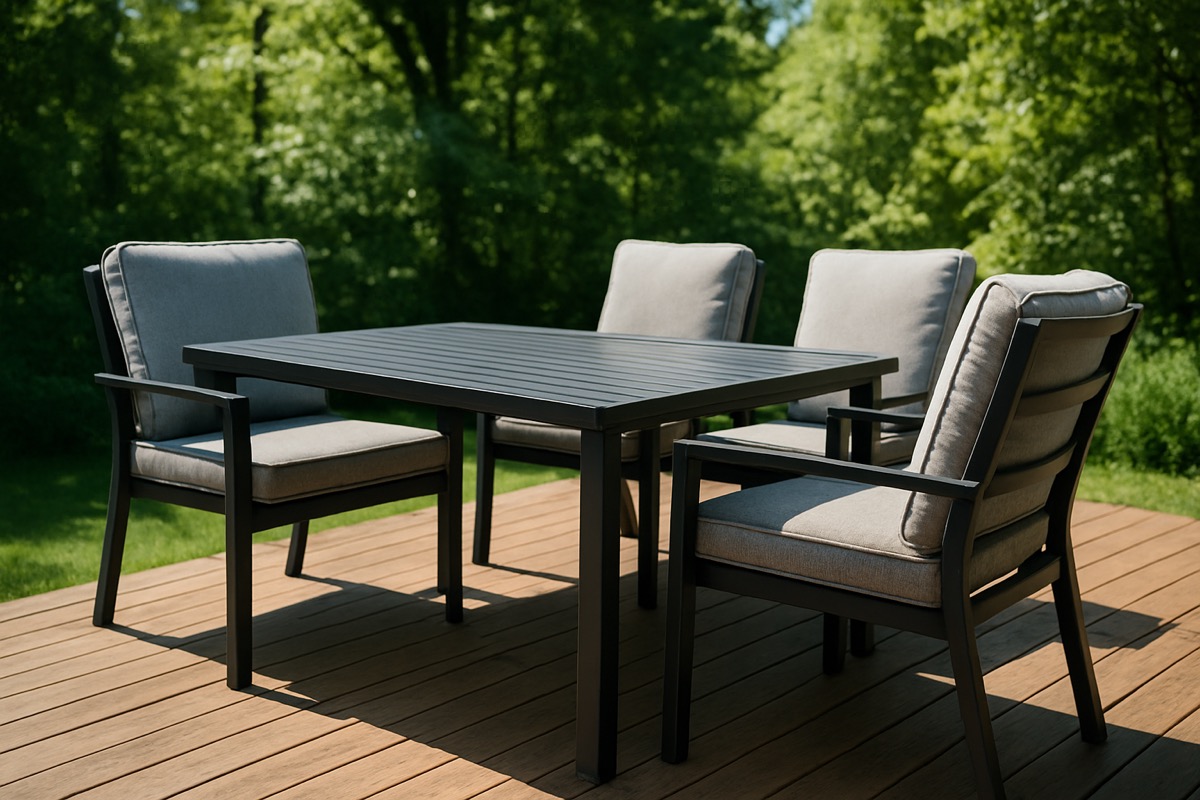

Winters in Fort Mill, South Carolina might not bring heavy snow, but they bring their own kind of wear and tear, especially to anything left outside. The cooler air, damp mornings, and sudden temperature swings can take a toll on outdoor furniture if the materials aren’t up to the task. For people living in and around this area, knowing which materials last through local winters can help protect your space and save money.
Not every piece of patio furniture is built for damp conditions or chilly nights. Some materials crack, fade, or warp if left out from December to March. That’s why choosing the right construction matters, not just for summer comfort, but for year-round durability too. When choosing outdoor furniture in Fort Mill, SC, it helps to keep winter’s quirks in mind before your next big purchase.
What Count as Winter Conditions in Fort Mill?
Fort Mill winters are mild compared to northern states, but that doesn’t mean they’re easy on patios. In most years, winter brings cold snaps, short rainy stretches, high humidity, and the kind of wind that makes early mornings feel colder than they are.
Even though snow is rare, frost and condensation are common. One day might hit the high 60s, while the next could dip below freezing at night. That constant freezing and thawing can cause wood to shift and metal to expand. Rain and moisture gather under cushions and furniture legs, leading to trapped water and surface wear.
The furniture you leave on your porch or deck often sits through all of this, soaking in damp air and reacting to temperature shifts. Over time, it shows. That’s why it pays to watch how the weather changes, not just the calendar.
Materials That Withstand Cold, Damp Winters
Some materials hold up better under pressure, especially when winter weather sticks around for weeks.
• Aluminum is a favorite choice for good reason. It won’t rust, it’s lightweight, and it stays stable during big temperature changes. It also handles constant moisture without swelling or warping.
• HDPE, or high-density polyethylene, is a tough type of plastic that’s made to last. It’s water-resistant and won’t fade or crack from the cold. It keeps its color and shape even when the temperature swings back and forth.
• Powder-coated steel adds another layer of protection. It’s strong, heavy, and won’t tip over from winter winds. The outer finish shields it from moisture and helps prevent rust, though it’s still smart to keep it dry when you can.
These options work well if you want to leave your setup outside without much upkeep. While no material is truly “maintenance-free,” these come close when matched with a covered space or a few smart habits.
Materials That May Struggle or Need Extra Care
Not all outdoor pieces are made to fight through damp mornings and cold nights. Some need extra help during the winter months.
• Wood changes with the weather. Depending on how it’s treated, it can swell, shrink, or develop small cracks if it’s exposed to cold then warmth over and over. That beautiful bench may start to fade or shift shape unless you give it more attention.
• Natural wicker isn’t built for winter here. Moisture can get inside the weave and weaken the fibers over time. Synthetic wicker is tougher, but cheaper versions may still peel or sag in the cold.
• Outdoor cushions look inviting but don’t always dry fast. Fabrics that hold water or trap moisture inside foam can wind up with mildew unless stored somewhere dry. Using quick-dry or mesh-lined fabric helps a little, but heavy rain or frost can still be a problem.
Caring for these materials doesn’t have to be complicated. Putting cushions inside when not in use, covering wooden chairs, or using a storage bin helps stretch their lifespan without constant cleaning.
Pairing Durability with Design and Layout Goals
You don’t have to give up style to get strength. Some of the best patios in winter mix durable furniture frames with soft seasonal accents to stay cozy and welcoming, even when the temperature drops.
• Metal or plastic can feel cold in winter, but with layered cushions, seat pads, or outdoor throws, it looks and feels more inviting.
• Add weather-friendly rugs under dining sets or seating areas. They help define the space and protect decks from shifting legs.
• Think about how much sun, shade, or wind each part of your yard gets. Some corners stay dry, while others are exposed all day. Place weather-sensitive pieces where they’re more protected. Save your strongest materials for bolder spots.
Knowing your yard matters just as much as knowing the materials you choose. A chair that works near the covered porch might not be the best pick for the edge of the deck that gets soaked weekly.
Small Space or Covered Patio? Adjust Material Choices Accordingly
Not every outdoor area in Fort Mill is wide open. Lots of homes use screen porches, balconies, or smaller patios for everyday seating. Those spots often allow you to rethink what’s needed.
• Spaces with overhead coverage let you get away with softer materials or cushioned pieces, since they’re not exposed to open sky and rain.
• If your space is on the smaller side, lighter pieces like resin chairs or folding tables are easier to move and clean when needed.
• Your layout can help your furniture last longer. Look for chairs that fit snugly into corners or tables that can tuck away when not in use. Awnings, pergolas, or roof overhangs make more of a difference than most people think, especially when it comes to water damage.
By blending the right materials with how your space works daily, it’s easier to make sure your furniture doesn’t just survive the winter, it stays comfortable and ready to use anytime.
Make Winter Outdoors Work for You
Strong winters aren’t common in Fort Mill, but the weather still matters when it comes to your outdoor setup. Aluminum, HDPE, and powder-coated steel all stand up to cold and damp well, and they don’t need much upkeep when placed right. On the flip side, wood, cushions, and wicker might need more attention or shelter if they’re going to last.
Getting the most out of outdoor furniture in Fort Mill, SC starts with knowing how you’ll use the space all year, not just in warm months. Picking smart materials, matching them to your layout, and adjusting a few habits along the way can help make sure your yard stays just as useful in winter as it does in spring.
Planning to refresh your backyard or covered patio? At Carolina Patio Furniture, we understand how unpredictable winters can be in Fort Mill, and we design outdoor spaces that work with that reality. Whether you’re rethinking your layout or shopping for year-round seating, our collection includes plenty of durable options built to handle changing temperatures. To see examples of reliable and stylish outdoor furniture in Fort Mill, SC, check out our selection and get in touch when you’re ready to chat.