
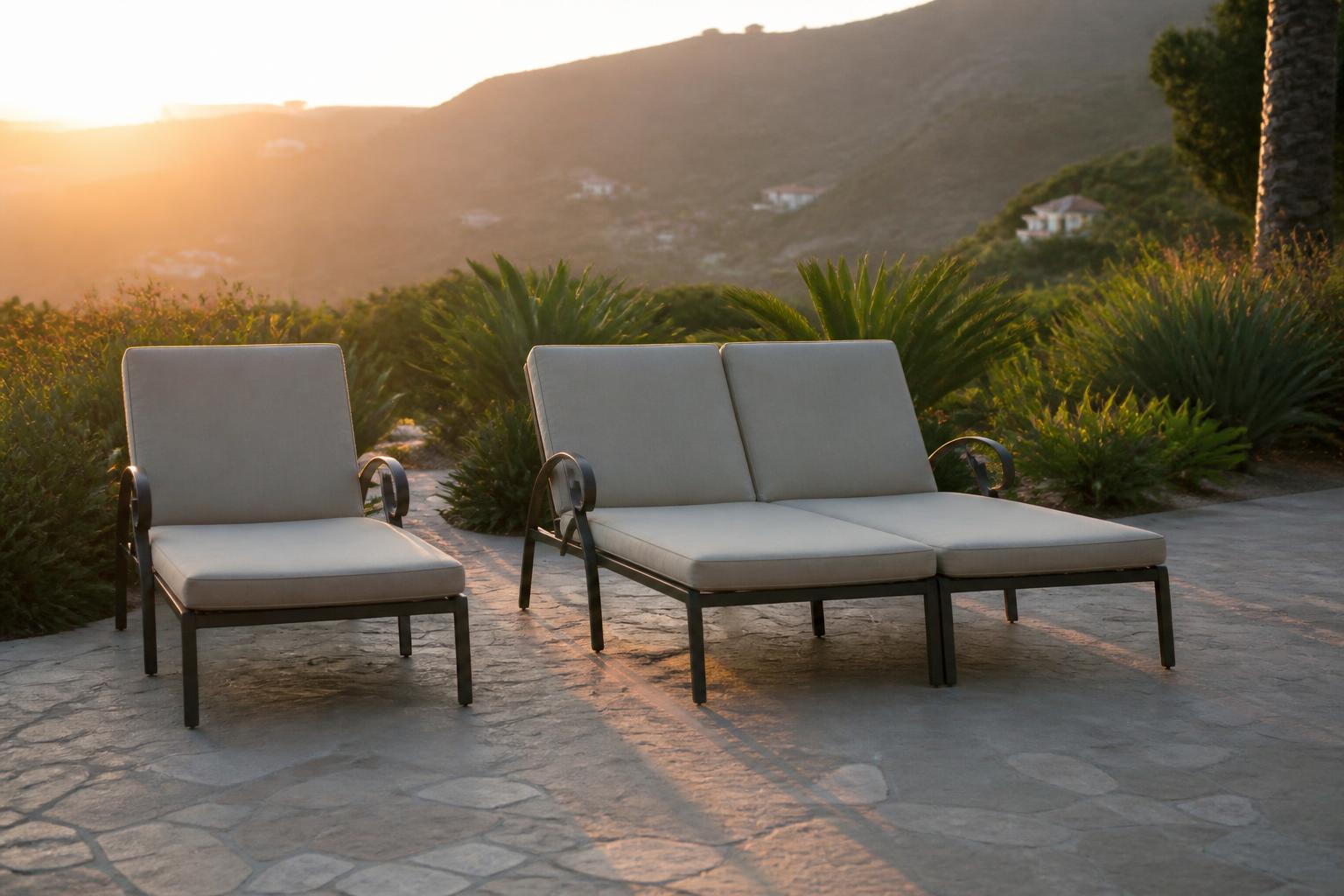
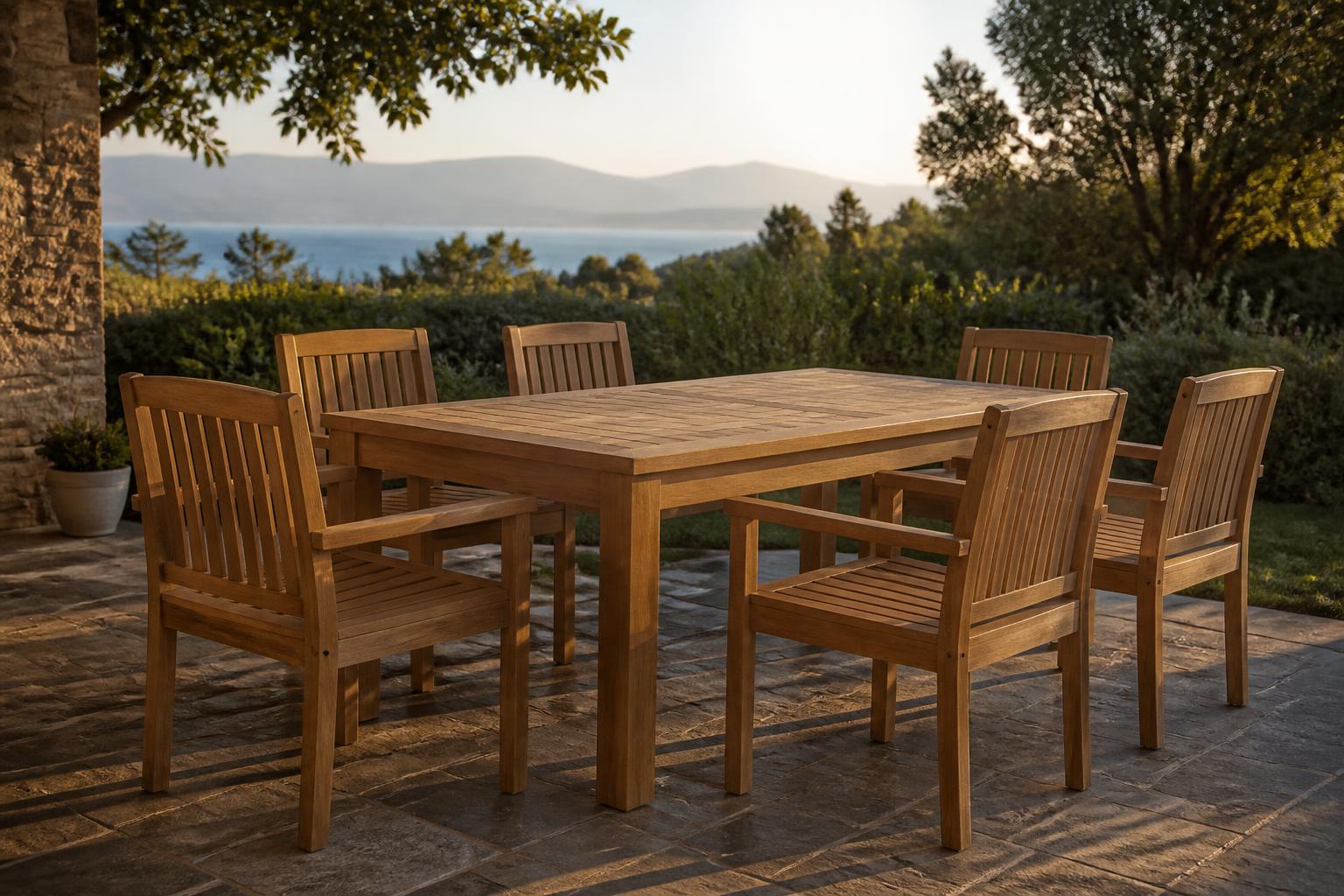
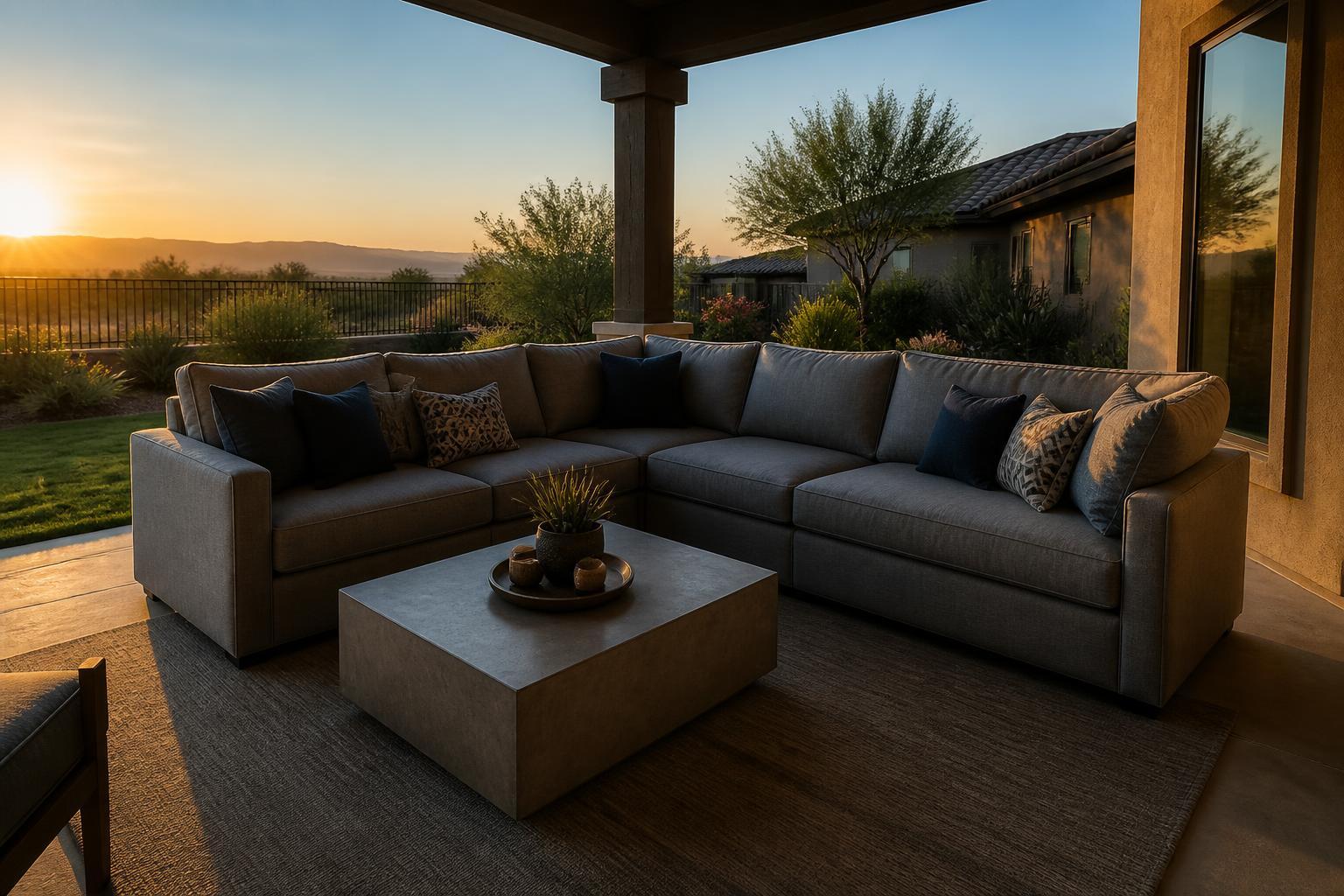

Knowing how to winterize patio furniture in the Southeast saves you from expensive replacements and frustrating spring cleanups. Our winters are not the brutal deep freezes that homeowners in Minnesota or New England deal with — Charlotte averages winter lows in the low 30s, with only occasional dips into the teens during cold snaps. But the combination of cold rain, periodic ice storms, persistent dampness, and temperature swings between freezing nights and mild afternoons creates its own set of challenges for outdoor furniture. The good news is that Southeastern winterizing is more about smart maintenance and targeted protection than hauling everything into a garage for five months.
Deep Cleaning Before Winter Storage or Covering

The single most important winterization step happens before you cover or store anything. A thorough deep clean removes the accumulated grime, pollen residue, mildew spores, and organic debris that will cause damage if sealed under a cover for the winter months.
Wash all frames with warm soapy water and a soft-bristle brush, paying extra attention to joints, crevices, and textured surfaces where dirt accumulates. Fall leaves, pollen dust from the previous spring, and airborne mold spores create a layer of organic material that traps moisture against furniture surfaces. Sealing that layer under a winter cover creates an incubator for corrosion on metals and mold growth on everything else.
If you see any visible mold or mildew spots — common on furniture that sat in shaded, damp areas during fall — treat them with a mildew-specific cleaner before covering. A solution of one cup oxygen bleach per gallon of warm water works well without damaging most finishes. Standard chlorine bleach also works but can discolor certain powder coat colors and degrade natural wood finishes if used at full strength. Always test on an inconspicuous area first.
After cleaning, rinse everything thoroughly with a garden hose and allow all pieces to dry completely before covering or storing. This drying step is critical and often rushed. Trapped moisture under a furniture cover in 40-degree weather creates the perfect environment for rust development on metals and mold colonization on organic materials. If the weather forecast shows rain for the next several days, wait for a dry window to do your winterization rather than covering wet furniture.
For glass tabletops, use an automotive glass cleaner rather than household glass spray. Automotive glass cleaners leave a water-repellent film on the surface that causes rain and frost to bead and slide off rather than pooling and leaving water marks. This film also prevents the frost spots that develop on glass surfaces during winter freezes, making spring cleanup significantly easier.
Furniture Covers: What to Look For
A good furniture cover is your primary line of defense during Southeastern winters. The right cover protects against rain, frost, ice, pollen, and bird droppings while allowing enough airflow to prevent condensation buildup underneath.
Choose covers with built-in air vents on at least two sides. This is not optional — it is the most important feature separating effective covers from damaging ones. A sealed cover without vents traps moisture that evaporates from the ground and from the furniture itself. In the Southeast’s mild winters, temperatures often rise above 50 degrees during the day even in January, causing condensation to form under sealed covers. That trapped moisture is worse for your furniture than leaving it uncovered in light rain.
Material weight matters for longevity and usability. Look for 600-denier polyester or solution-dyed acrylic covers. Anything thinner than 400 denier tears in wind and degrades from UV exposure within a single season. Anything heavier than 800 denier becomes difficult to manage on your own, especially when removing it in the morning for use and replacing it in the evening — a common routine during Southeast winters when many homeowners still use their patios on mild afternoons.
Elastic hems with adjustable drawstrings provide the best combination of secure fit and wind resistance. The elastic keeps the cover snug against the furniture base, while the drawstring lets you tighten it further during windy weather. Buckle straps and tie-down systems work but take longer to secure and remove, which discourages daily cover use and leads to furniture sitting uncovered through storms.
Custom-fitted covers made to match your specific furniture dimensions protect significantly better than universal-sized covers. The gap between a loose universal cover and your furniture allows wind-driven rain to reach the frame, defeats the purpose of covering in the first place, and creates pockets where water pools and sits against surfaces. If your furniture is a standard brand and model, most cover manufacturers offer sized options at modest cost premiums over generic covers.
Cushion Care and Winter Storage
Outdoor cushions are the most vulnerable component of any patio set during Southeastern winters. Even marine-grade fabrics and foam cores suffer when exposed to sustained cold, moisture, and freeze-thaw cycles.
Remove all cushions from outdoor furniture before the first freeze warning of the season and bring them indoors. Even Sunbrella and equivalent solution-dyed acrylic fabrics retain water in their foam cores. When that trapped moisture freezes, it expands and cracks the foam from within, creating permanent flat spots and reducing cushion resilience. One hard freeze with wet cushions can cause damage that no amount of fluffing or drying reverses.
Store cushions upright — not stacked flat — in a dry interior space like a garage, closet, or spare room. Stacking cushions flat compresses the foam under their own weight over the months of storage, creating permanent indentations and thinning. Standing them upright against a wall maintains their shape and allows air circulation around all surfaces.
Vacuum-seal bags work well for thin seat cushions under four inches thick but can permanently deform thicker back cushions and bolsters. The compression flattens the foam structure in thick cushions and may not fully recover when released. For anything over four inches thick, use breathable fabric storage bags that protect against dust and pests while allowing the foam to retain its shape.
If bringing cushions indoors is not possible due to space constraints, a weatherproof deck box rated for outdoor use is an acceptable alternative. Position the box under a covered area if available, and crack the lid open periodically on dry days to release any humidity that builds up inside. A small silica gel packet or moisture absorber inside the box helps maintain dry conditions between ventilation sessions.
Frame Protection by Material Type

Different frame materials need different winter protection strategies. What works for aluminum may damage teak, and what teak needs is irrelevant for resin wicker.
Aluminum frames need the least winter preparation of any material. Wipe down the entire frame to remove surface grime, apply a thin coat of car wax or marine protectant to the powder coat finish, and either cover the furniture or leave it outside uncovered. Aluminum does not rust, does not absorb moisture, and handles freeze-thaw cycles without structural impact. The wax layer simply adds an extra moisture-repellent barrier that makes spring cleaning easier.
Wood furniture — teak, cedar, acacia, and eucalyptus — should receive a fresh coat of sealer or teak oil in late October before the cold rain season starts. The sealer fills surface pores and creates a moisture barrier that prevents water absorption during the months of frequent rain. Unsealed wood absorbs rain water, which then freezes during cold snaps and causes the checking and splitting that ruins the appearance and shortens the lifespan of even premium hardwood pieces.
Wrought iron and steel furniture need the most attention before winter. Inspect every inch of every frame piece for paint chips, scratches, weld cracks, and any exposed metal. Sand any rust spots down to bare metal, apply rust-inhibiting primer, then repaint with exterior-grade enamel. Coastal Carolina homes have extra salt-air and wind exposure, so shoppers in Wilmington, the Outer Banks, and Myrtle Beach areas should prioritize corrosion-resistant finishes, vented covers, and breathable storage habits.
Resin wicker and poly lumber frames need virtually no winter preparation. These synthetic materials do not absorb water, do not corrode, and are not affected by freeze-thaw cycles. A simple wipe-down before covering is sufficient. The only watch point is checking frame joints for loosening caused by the expansion and contraction cycles of the previous summer — tighten any loose fasteners before winter adds thermal cycling stress to already-loosened connections.
When to Bring Furniture Inside vs Leave It Out
The decision to bring furniture indoors versus leaving it outside with covers depends on the material, your available storage space, and the severity of winter weather in your specific part of the Southeast.
Most quality aluminum and poly lumber furniture can stay outside all winter in the Southeast with a good vented cover. Charlotte’s freezes are too mild and brief to cause damage to these materials. Temperatures below 20 degrees are rare and typically last only a few hours overnight before warming above freezing by mid-morning. Neither aluminum nor poly lumber is affected by these mild freeze cycles.
Bring natural wicker, untreated wood, and any furniture with fabric slings indoors if you have the space. These materials suffer most from extended cold dampness, and the Southeastern winter pattern of days-long cold rain events is exactly the type of exposure that accelerates their deterioration. Natural wicker absorbs moisture that promotes mold growth. Untreated wood develops checking and warping. Fabric slings sag and develop mildew in sustained dampness.
If an ice storm is forecast — which happens once or twice per winter in the Charlotte area and more frequently in the foothills — bring lightweight furniture inside regardless of material. Ice accumulation adds significant weight to frames, and the expansion force of ice forming on and around thin structures can warp lightweight aluminum pieces, tear mesh seats, and crack thin resin wicker weaves. The weight of a half-inch ice coating on a four-piece dining set can exceed 50 pounds, stressing joints and fasteners beyond their design limits.
In late February, before putting everything back outside for spring, do a full inspection of any furniture that spent the winter outdoors. Check for rust spots that developed under covers, mold colonies that formed in joints or weave patterns, and any critter damage — squirrels and mice sometimes nest in covered outdoor furniture during cold months. Address any issues before the furniture goes back into regular use.
Frequently Asked Questions
Do I need to winterize patio furniture in the Southeast?
Yes. While Southeastern winters are milder than Northern climates, the combination of cold rain, periodic ice storms, and sustained dampness still damages outdoor furniture — especially natural wood, iron, and fabric components. Proper winterization extends furniture life by three to five years compared to leaving pieces unprotected through winter.
Can I leave aluminum patio furniture outside all winter in Charlotte?
Yes, powder-coated aluminum furniture can stay outside all winter in Charlotte and similar Southeast locations. Apply a coat of car wax to the finish in fall and use a vented cover for best results. Remove cushions and store them indoors separately. Aluminum is not affected by the mild freeze-thaw cycles typical of Carolina winters.
How do I prevent mold on patio furniture during winter?
The key is thorough cleaning and complete drying before covering furniture for winter. Wash all surfaces with a mildew-killing solution, rinse well, and allow everything to dry fully before putting covers on. Use vented covers that allow airflow, and check underneath covers periodically during warm spells to ensure condensation is not building up against furniture surfaces.
Taking a few hours in late October to properly winterize your patio furniture protects an investment that provides years of outdoor enjoyment. Need advice on the best winter care routine for your specific furniture? Call us at (704) 274-3222 or visit our showroom at 2438 Park Road in Charlotte for product-specific recommendations.