
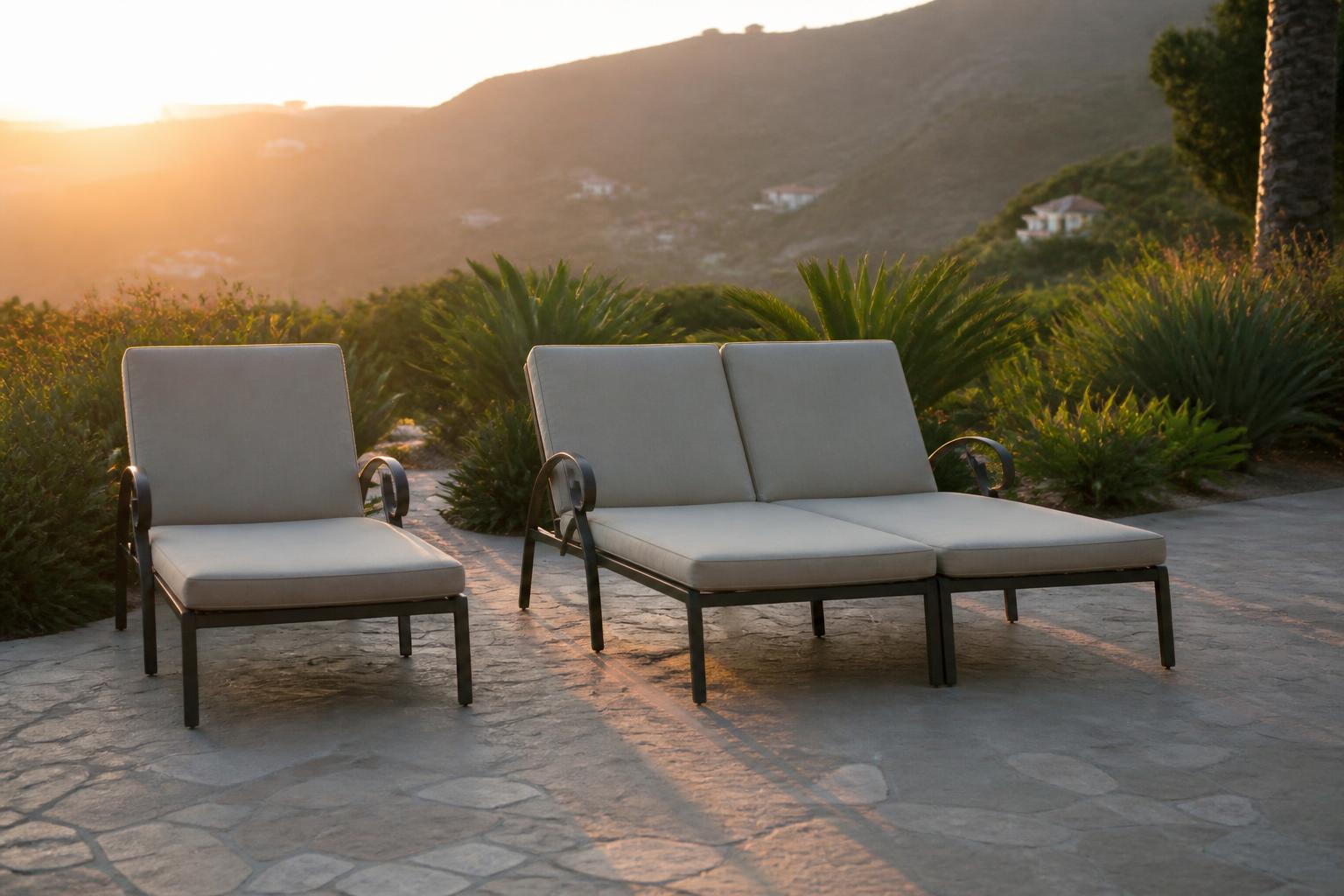
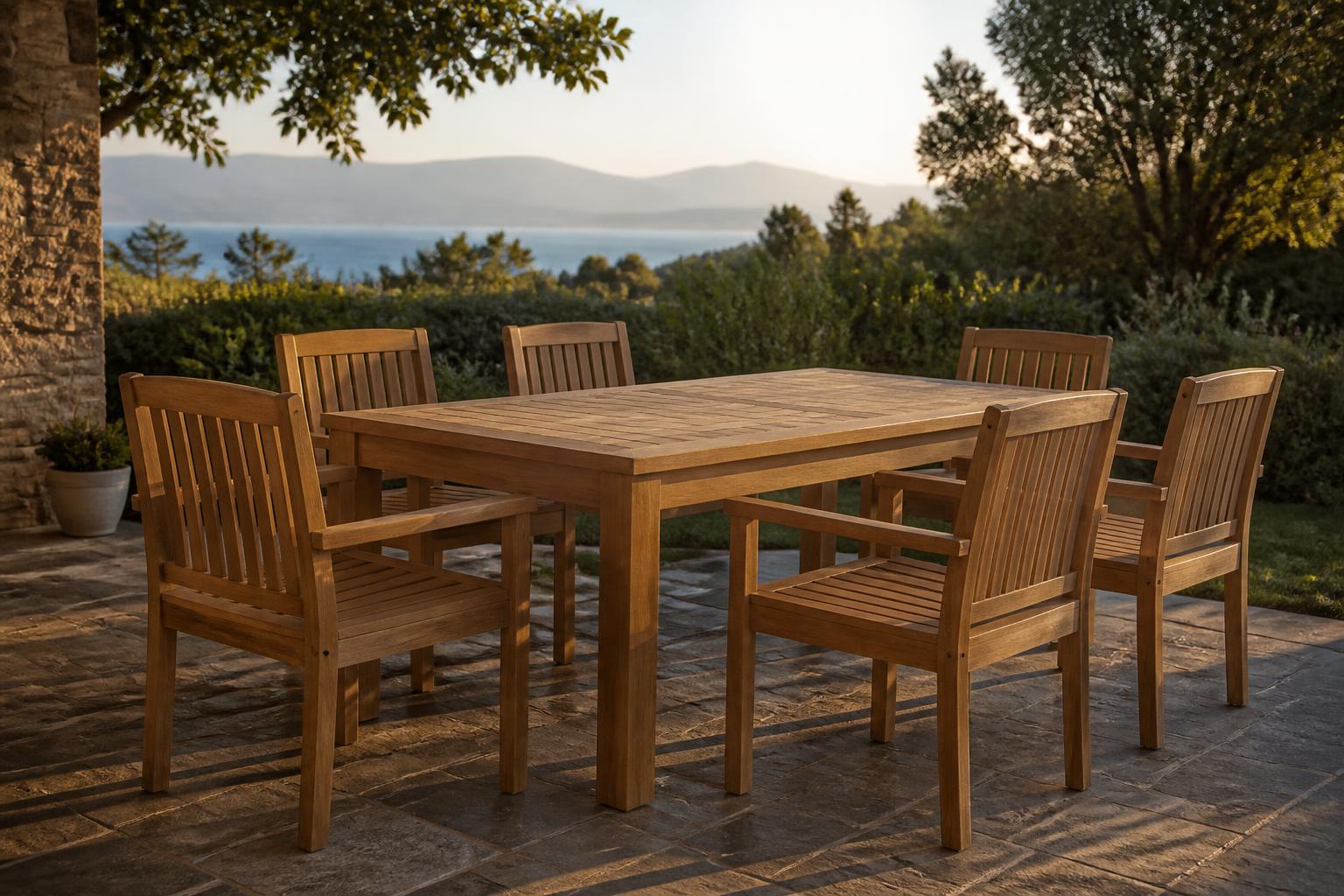
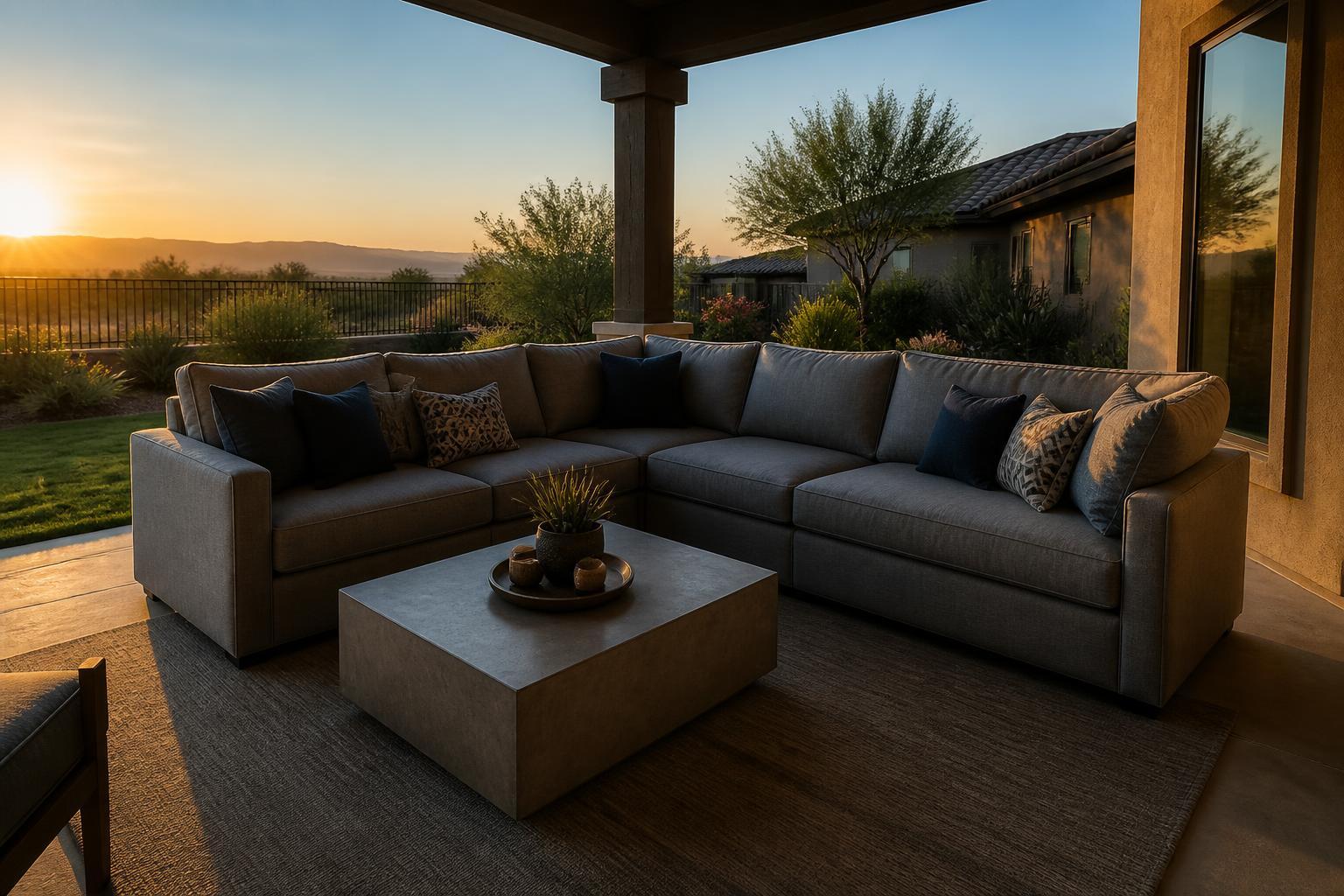

Cushion shape changes more than looks. When comparing boxed vs waterfall outdoor cushions, the visible differences show up in how the cushion meets the frame, where the front seam sits, and how the edge feels during a sit test. Two cushions with identical seat dimensions can sit very differently depending on which construction the sewing pattern uses, so understanding the distinction helps you order replacements that actually fit your chairs and sofas.
Below is a practical breakdown of what each style is, where the seams sit, how to measure for either one, and how the choice affects comfort on deep-seat lounges, dining chairs, and sectional pieces.
What Boxed and Waterfall Construction Actually Mean
A boxed cushion has a distinct top panel, bottom panel, and a separate fabric strip (the boxing or gusset) running around the perimeter. The seams sit at the top and bottom edges, creating a flat, cake-like profile with squared corners. Thickness stays consistent from front to back because the boxing strip is cut to a uniform height.
A waterfall cushion has a rounded front: the top fabric wraps over the front edge and joins the bottom panel underneath. It is different from a knife-edge cushion, whose panels taper into a sewn edge without a separate boxing strip. The back and sides may still use different constructions depending on the pattern, so identify the front edge rather than relying on a broad label.
Neither style is universally better. They serve different frames, different seating postures, and different aesthetic goals.

Where the Seams Sit and Why That Matters
Seam placement changes the cushion’s appearance and may affect where moisture encounters a joint. A boxed cushion places seams along the top and bottom edges of its side panel. A waterfall front carries the top fabric over the curve, with the joining seam generally positioned underneath. Confirm drainage and care details from the specific cover and fill manufacturer rather than inferring them from shape alone.
Both constructions can be made with outdoor-rated cover and fill materials. Boxed cushions often use welt cord to emphasize their top edge, while a waterfall front keeps that edge visually uninterrupted. Material specifications and workmanship—not the silhouette by itself—determine drainage, seam durability, and care requirements.
How Fit Changes Against the Chair Frame
The front edge is where fit differences become obvious. A boxed cushion presents a defined front edge whose side panel remains visible. On a low front rail, that edge may extend beyond the support or contact the legs differently than a rounded front. Inspect the overhang, sit in the chair, and compare the sensation rather than relying on a universal thickness rule.
A waterfall front softens that transition. Its rounded nose creates a softer visual and tactile transition at the front. Whether that feels preferable depends on the user’s posture, the fill, and the chair frame. Compare both constructions on the intended seat instead of assigning either style to every lounge or dining chair.
Fit against the frame also depends on how the cushion is retained. Ties, hook-and-loop tabs, or non-slip backing all interact with the cushion profile. Either style can shift when its outline, backing, or attachment points do not suit the frame. Treat retention as a separate fit check rather than assuming the edge construction will keep a cushion in place.
Measuring for a Replacement
Accurate measurements matter more than choosing the style. Measure the seat platform and also record the old cushion’s dimensions, since a used cushion may no longer represent the intended finished size. Use these reference points:
- Width: Measure the seat deck from left inside arm to right inside arm at the widest usable point. If the frame narrows toward the back, note both dimensions so a tapered cushion can be cut.
- Depth: Measure from the inside of the back rest or back cushion to the front edge of the seat frame. Do not measure past the frame.
- Thickness: Decide how tall the finished cushion should sit. Record the target finished height and note that a rounded front may look thinner at its edge even when the main fill height is similar.
Write down whether the front corners of the frame are square, radiused, or angled. A boxed cushion can be cut with matching corner radii; a waterfall cushion softens corners visually regardless of the frame shape underneath.
For general context on how seat depth, height, and edge shape affect sitting posture, the Cornell University Ergonomics Web offers useful seating-fit background. That reference covers general ergonomics rather than outdoor-cushion construction standards, so treat it as supporting reading rather than a specification for patio products.
Matching Style to Furniture Type
These visual comparisons can help narrow the options, but confirm each one on the actual frame:
- Deep-seat lounge chairs and sofas: Waterfall seats read relaxed and read well with plush back pillows. Boxed seats give a more tailored, structured look.
- Dining chairs: Boxed cushions create a tailored visual line; a waterfall front creates a softer edge. Test leg clearance and seat position with the chair at the table.
- Bench seats and swing seats: A boxed edge can emphasize the long, straight outline. Support and sag resistance depend on the fill and platform, not the cover construction alone.
- Chaise lounges: Compare how each front edge contacts the legs and whether the cushion shifts on the angled frame; neither construction guarantees retention.
- Sectional modules: Boxed edges may create a more continuous visual seam between modules, while rounded fronts soften each individual seat. Check the actual gap and alignment.
Back cushions follow separate logic. Many outdoor sets pair boxed seats with knife-edge or waterfall backs to keep the backrest soft against the shoulders while the seat stays firm underfoot.

Fill, Thickness, and How Shape Ages
Both styles depend on fill quality to hold their shape over time. Outdoor fills vary in drainage, firmness, and wrap construction. A boxed profile may make corner compression more visible, while an already-rounded front can make small shape changes less obvious. Ask for the specific fill and care information for the cushion being considered.
As cushion height increases, the vertical side panel of a boxed profile becomes more prominent. A waterfall front remains rounded, but the overall appearance also depends on fill, wrap, and fabric. Compare samples at the intended finished height rather than applying one threshold to every design.
Ordering Custom Replacements
When ordering replacements, bring photographs of the furniture, the measurements described above, and a note about how the seat is used. A cushion for a chair that hosts long dinners has different demands than one used mostly for morning coffee. Fabric choice, welt cord, ties, and zipper placement can all be specified along with the boxed or waterfall shape. Review the outdoor furniture and cushion categories for reference, or visit the main shop and ask which samples are available before deciding on a shape.
Frequently Asked Questions about Boxed vs Waterfall Outdoor Cushions
Can the seat be boxed while the back is waterfall?
Yes, provided the dimensions and visual relationship work together. A boxed seat and a waterfall or knife-edge back create contrasting silhouettes, but comfort depends on the fill and furniture geometry. Provide separate measurements for each piece and specify the shape for each one.
Which style dries faster after rain?
Shape alone does not establish drying speed. Ask about the cover fabric, seams, fill, vents, and manufacturer care instructions, then compare those specifications if drainage is a priority.
Do waterfall cushions wear out at the front edge sooner?
Wear depends on fabric, thread, seam construction, fit, use, and care. Inspect the front curve and the boxed cushion’s exposed edge seams, but do not predict service life from shape alone.
Is one style easier to reupholster later?
The work depends on the pattern, zipper, welt, corner shape, and existing fill. A boxed cover uses a separate side panel, while a waterfall cover wraps the front panel underneath. Ask an upholsterer to evaluate the specific cushion before comparing labor or difficulty.
Talk Through the Options in Person
Choosing between boxed and waterfall shapes is easier when you can feel the difference and see the fabrics in daylight. Call Carolina Patio Furniture at (704) 274-3222 or contact the Charlotte showroom to bring in measurements, photos, or an old cushion for reference. Confirm which comparison samples are available before the visit, then use your measurements to evaluate shape, fabric, and fill.