
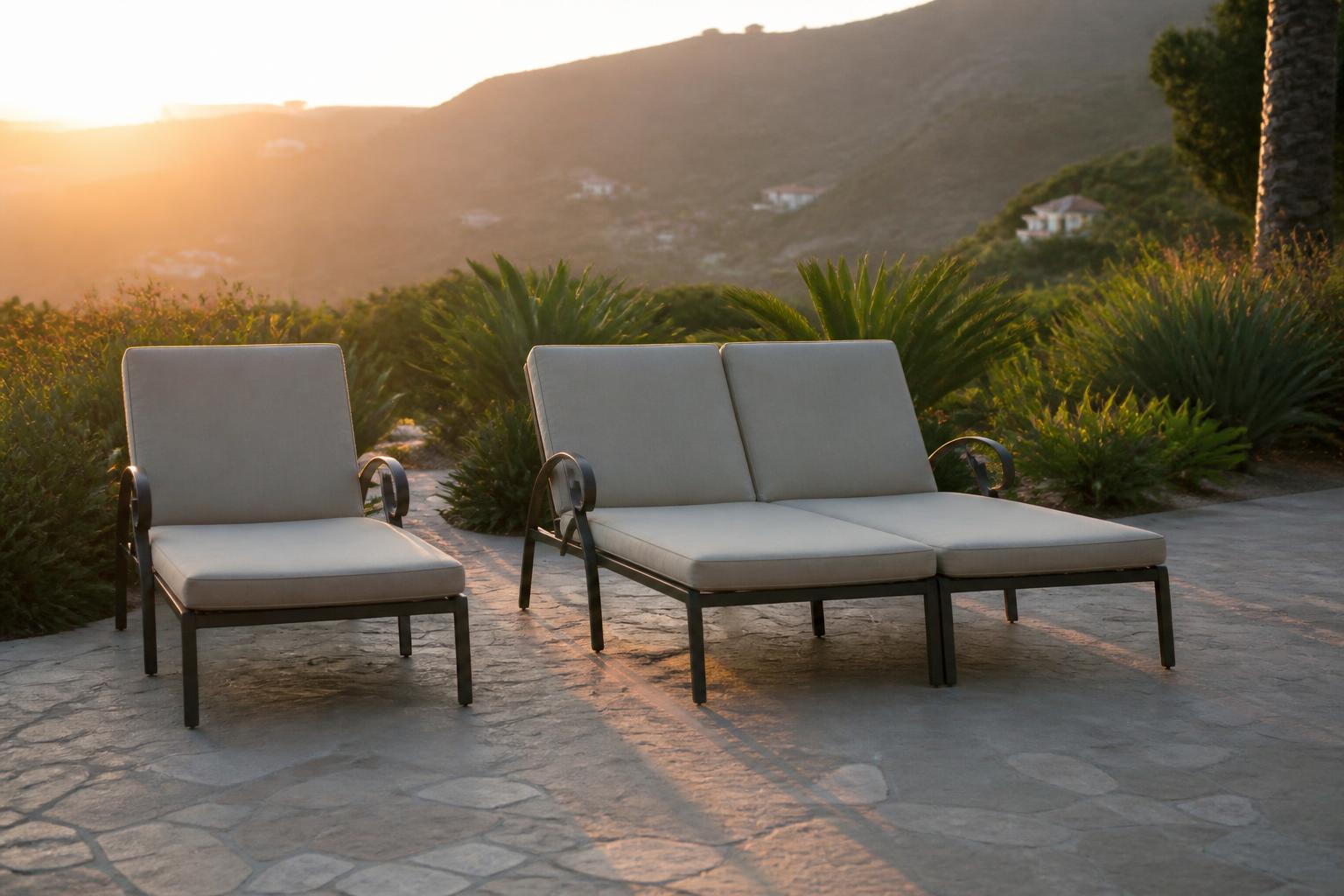
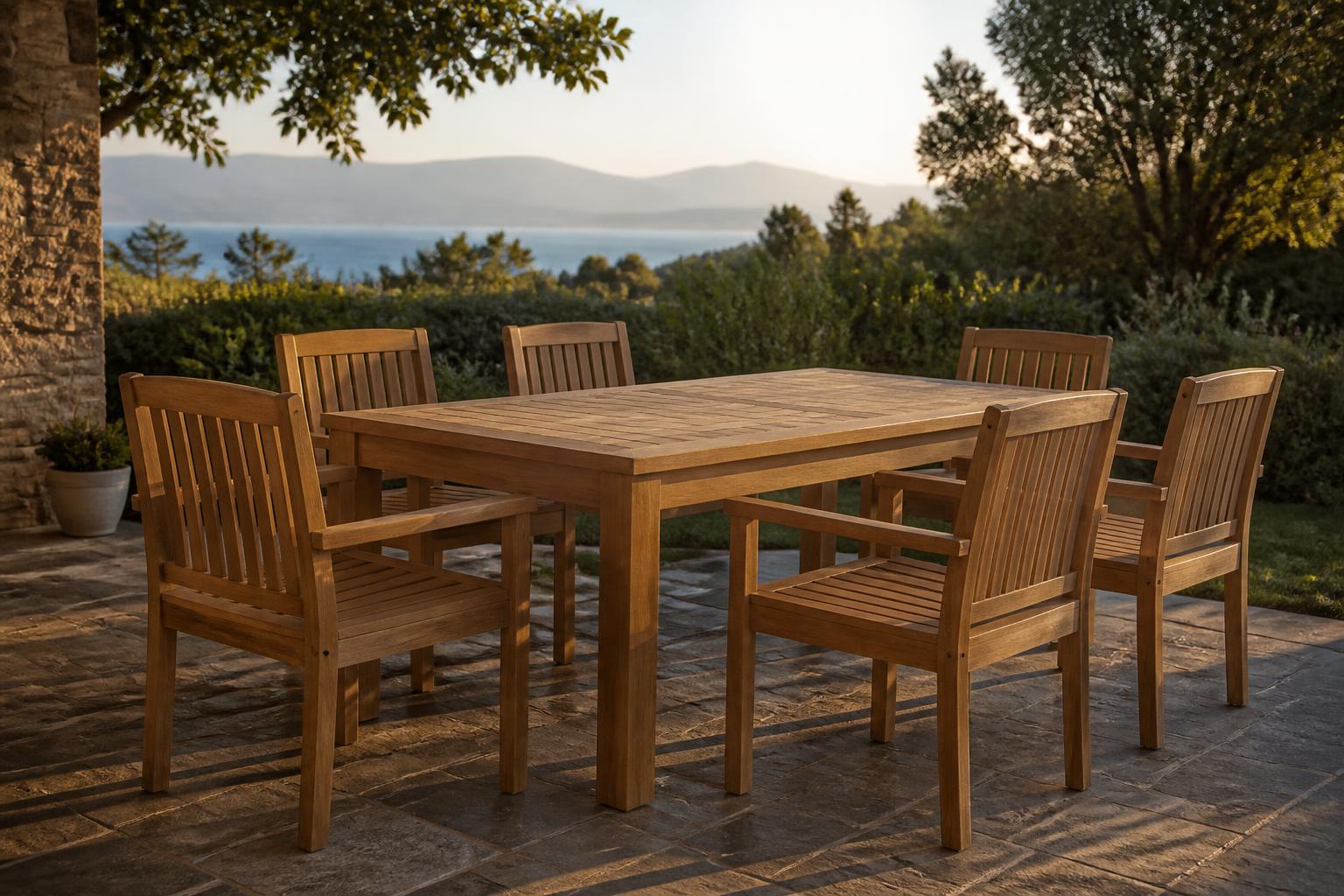
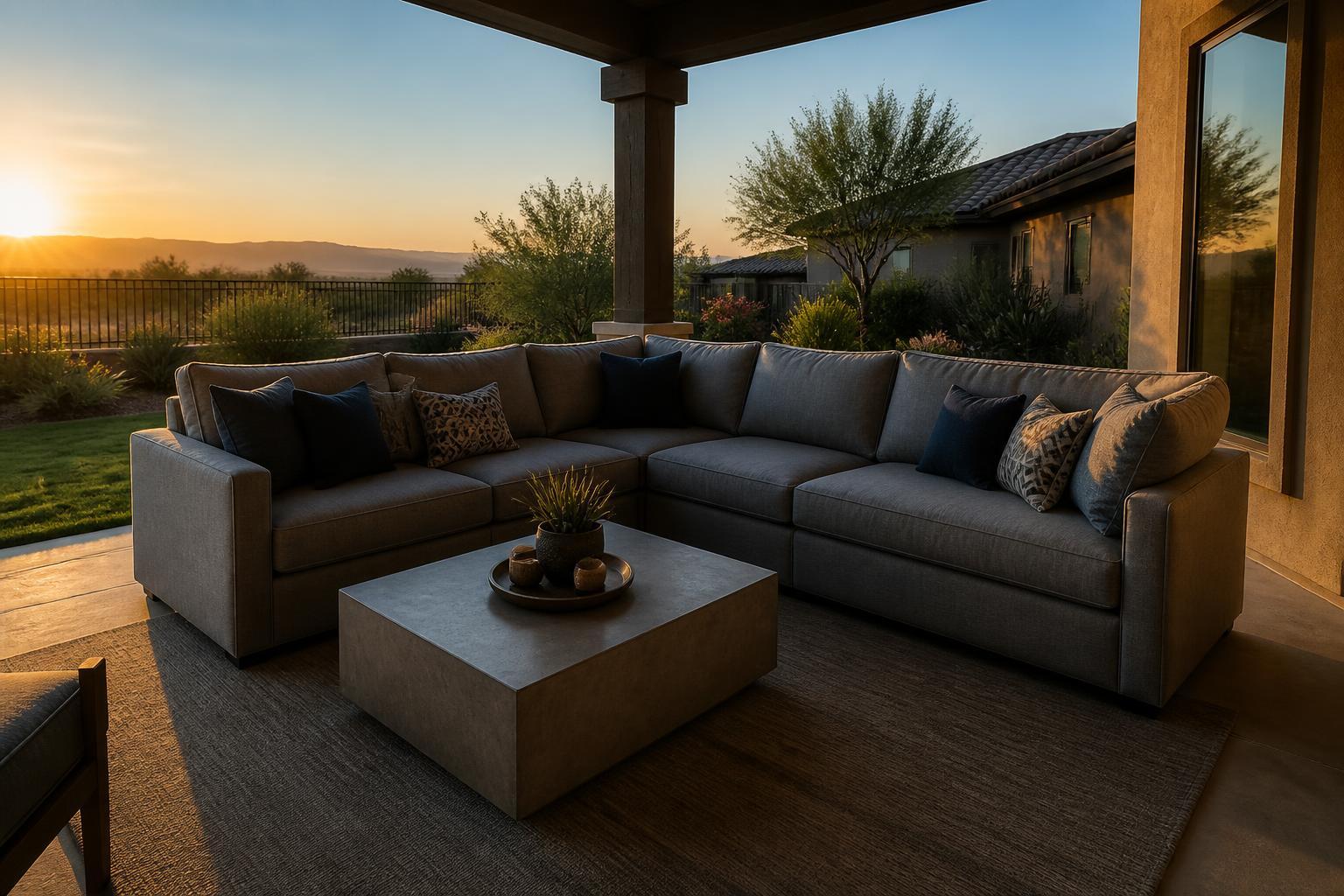
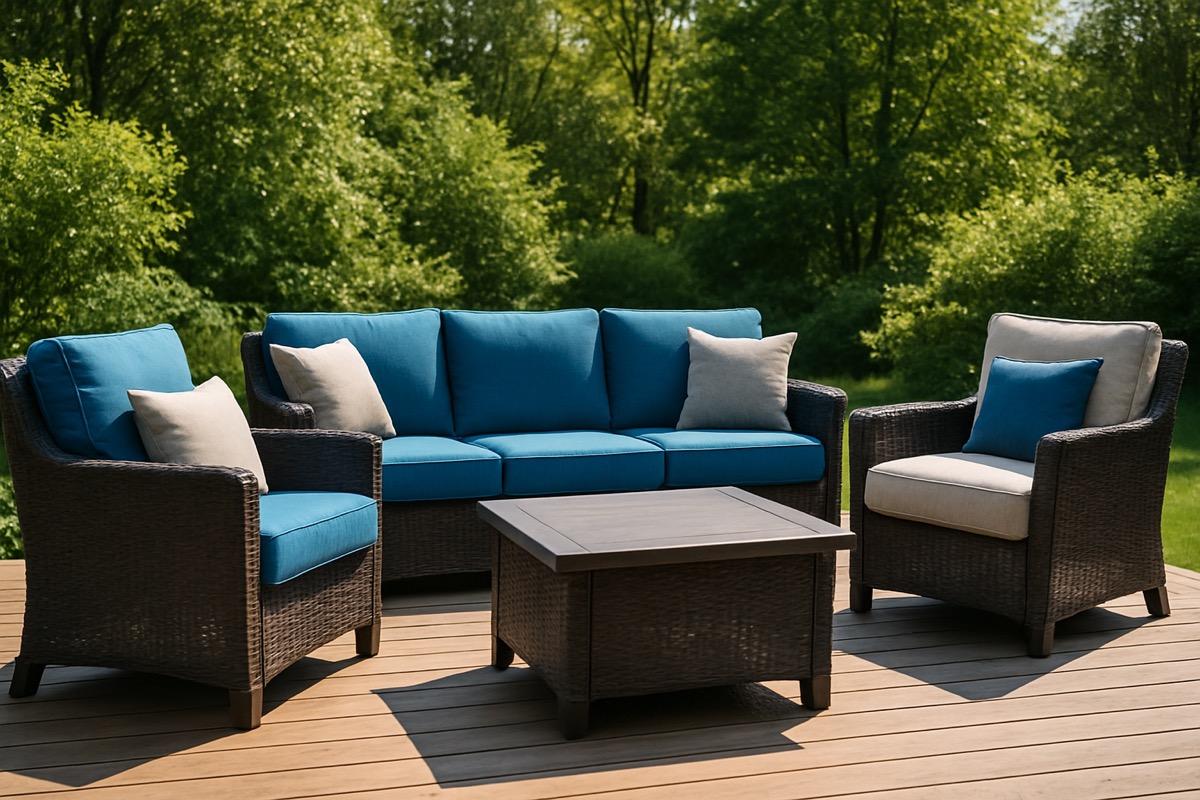
Nothing ages a patio set faster than faded cushions. You invest in beautiful furniture, and within a couple of seasons the once-rich colors look washed out and tired. The culprit is almost always the fabric, and the good news is that the right fabric resists fading for years. Here is what to look for when you shop for outdoor cushions and slings in the Carolinas.
Solution-dyed is the gold standard
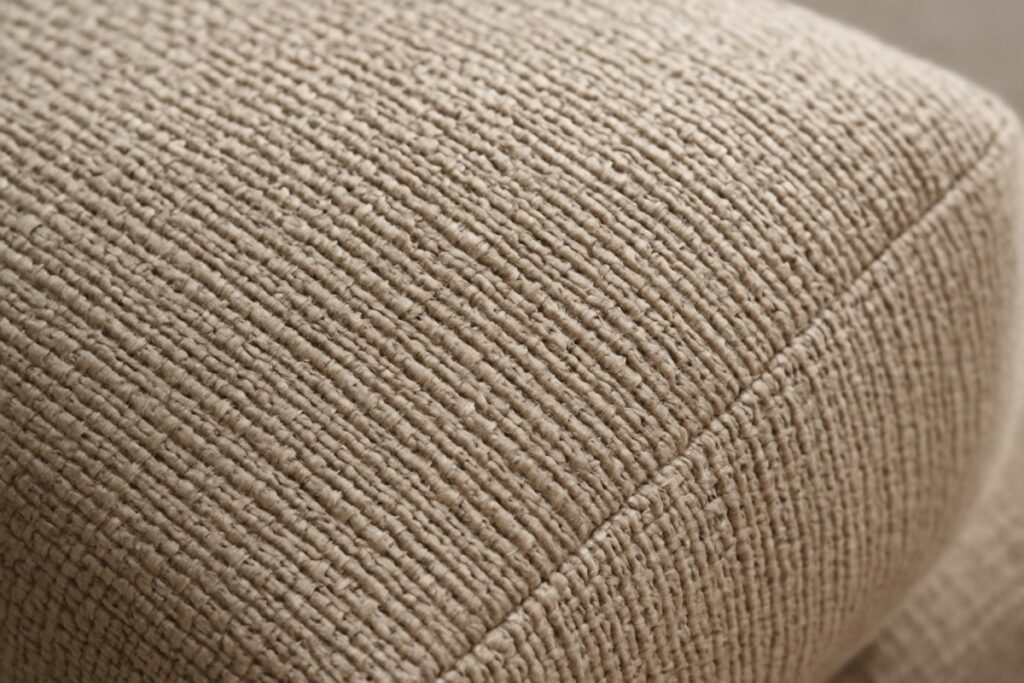
The single most important term to know is solution-dyed. In ordinary fabric, color is applied to the surface of already-made fibers, so the sun bleaches that surface color over time. In solution-dyed fabric, the color is added to the liquid before the fiber is even formed, so the pigment runs all the way through, like a carrot rather than a radish. The result is dramatically better fade resistance, because there is no thin surface layer for UV to strip away. When a fabric is labeled solution-dyed, you are buying real, lasting colorfastness.
Performance acrylics and the brands that make them
The best-known outdoor performance fabrics are solution-dyed acrylics, prized for combining excellent fade resistance with a soft, comfortable hand that does not feel like plastic. These fabrics are engineered specifically to take years of direct sun while holding their color, and they resist mildew and clean easily, which matters for the humid Carolina climate. When shopping, ask what the cushions and slings are made of; a quality solution-dyed acrylic is worth choosing over a cheaper fabric that will fade within a season or two.
Look beyond color to the whole fabric
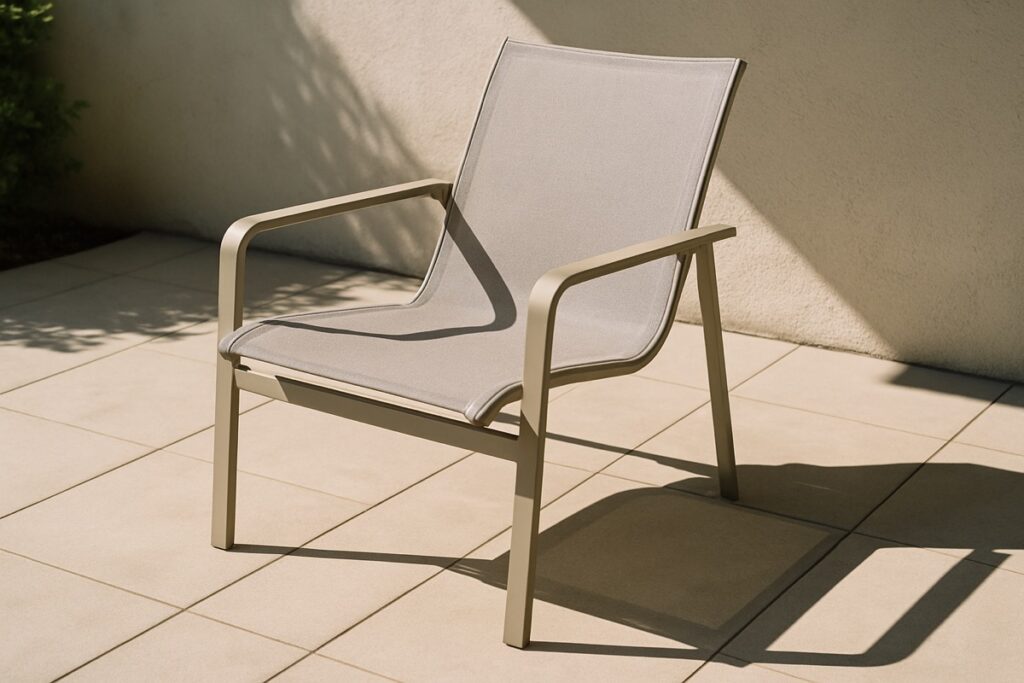
Fade resistance is the headline, but a good outdoor fabric does several jobs at once. It should shed water and dry quickly so cushions do not stay soggy after a Carolina afternoon storm. It should resist mildew, since humidity encourages growth on lesser fabrics. And it should clean up easily, ideally wiping down with mild soap and water. The premium performance fabrics deliver all of these together, which is why they cost more upfront and save you money over the life of the furniture by not needing early replacement.
Why the upfront cost pays off
It is tempting to save on cushions, but fabric is the part of a patio set most exposed to the elements and the part most likely to disappoint if you cut corners. A premium fade-resistant fabric keeps your furniture looking new for many more seasons, which means you replace cushions far less often. Spread over the years you will own the set, the better fabric is usually the more economical choice, not the more expensive one. It is the rare upgrade that saves money in the long run.
Caring for outdoor fabric
Even the best fabric lasts longer with simple care. Brushing off debris, rinsing periodically, and cleaning spots promptly keep cushions fresh and discourage mildew. During long stretches of non-use or harsh weather, covering or storing cushions protects them further. None of this is demanding, and with quality solution-dyed fabric the routine is light, but a little attention extends the life of the color and the cushion alike, keeping your patio looking its best.
Solids, patterns, and colors that last
Beyond the fabric’s construction, the color and pattern you choose shape how the patio feels and how forgiving it is over time. Neutral tones like greige, taupe, and soft gray are timeless and hide pollen and everyday dust well, making them an easy long-term choice. Bolder colors and patterns bring personality and are a great way to express your style, and because quality solution-dyed fabrics hold their color, you can commit to a richer hue without fear of it washing out in a season. A practical strategy many homeowners use is to keep the large cushions in a durable neutral and add color through throw pillows, which are inexpensive to swap as trends or tastes change. Patterns also help disguise the inevitable bit of pollen or a small spot between cleanings, which is a real advantage during the heavy pollen seasons the Carolinas are known for. Whatever direction you choose, viewing fabric samples in your own outdoor light, rather than under store lighting, gives you the truest sense of how the color will read on your patio through the day.
How to read a fabric label and ask the right questions
Outdoor fabric is one of those purchases where a little vocabulary saves you from disappointment, because the words on a tag or in a product description tell you most of what you need to know. The first thing to look for is whether the fabric is described as solution-dyed; if it only says “outdoor” or “UV-treated” without that term, the color may be a surface treatment that fades faster than you would like. Next, look for a stated UV or lightfastness rating and any mention of a fade warranty measured in years, since a maker willing to warranty the color for a long stretch is telling you something real about its confidence. Check for language about mildew and water resistance, which matters enormously in our humid summers, and for a clear, simple cleaning method, ideally mild soap and water rather than special solvents. It also helps to ask how the cushion is built underneath the fabric: a quick-drying open-cell foam or a wrapped core that lets water pass through and drain keeps a cushion from staying soggy and sour after a Carolina downpour, while a dense, slow-drying core can hold moisture and breed mildew no matter how good the cover is. When you shop with us, these are exactly the questions we will answer for any set, and we would rather you understand what you are buying than be wowed by a low price on fabric that will not last a season in the Carolina sun.
How sun exposure on your patio changes the choice
The same fabric can age very differently depending on where it lives, so it is worth thinking about your specific patio before you settle on a color or even a fabric grade. A west-facing patio that catches the full force of the late-afternoon Carolina sun puts the harshest UV load on a cushion, which is the situation where stepping up to the highest-quality solution-dyed fabric and a lighter, more forgiving color pays off most. A covered porch or a north-facing space that sees mostly indirect light is far gentler on fabric, giving you more freedom to choose deeper, richer hues without worrying as much about fading. Dappled shade from mature trees, common in established Charlotte and Lake Norman neighborhoods, falls somewhere in between and is generally kind to outdoor fabric. It is also smart to notice reflected light and heat from nearby surfaces; a cushion next to a pale stucco wall or a pool deck can take more reflected sun than you would expect. Spending a few minutes watching how the sun crosses your patio through the day, and noting which seats sit in full sun versus shade, helps you match the fabric grade and color to the real conditions rather than guessing. For the sunniest spots, lean toward the best fade-resistant fabric and neutral or mid-tone colors; for shaded spots, you have room to be bolder. Matching the fabric to the exposure is a simple step that keeps your cushions looking their best for as many seasons as possible.
It is also worth reading how the fabric makers themselves explain UV protection; Sunbrella goes into detail on why its solution-dyed fibers hold their color in the sun, which is helpful background as you compare your options.
Frequently asked questions
What does solution-dyed mean? The color is added to the fiber before it is formed, so the pigment runs all the way through and resists fading far better than surface-dyed fabric.
Which outdoor fabric resists fading best? Solution-dyed performance acrylics are the standard for fade resistance, and they also resist mildew and clean easily.
Is premium fabric worth the cost? Usually, yes. It keeps furniture looking new for many more seasons, so you replace cushions far less often.
Want help choosing the right fabric? Explore our collections in the shop, read about us on our about page, and reach out through our contact page or call (704) 274-3222 with fabric questions.