
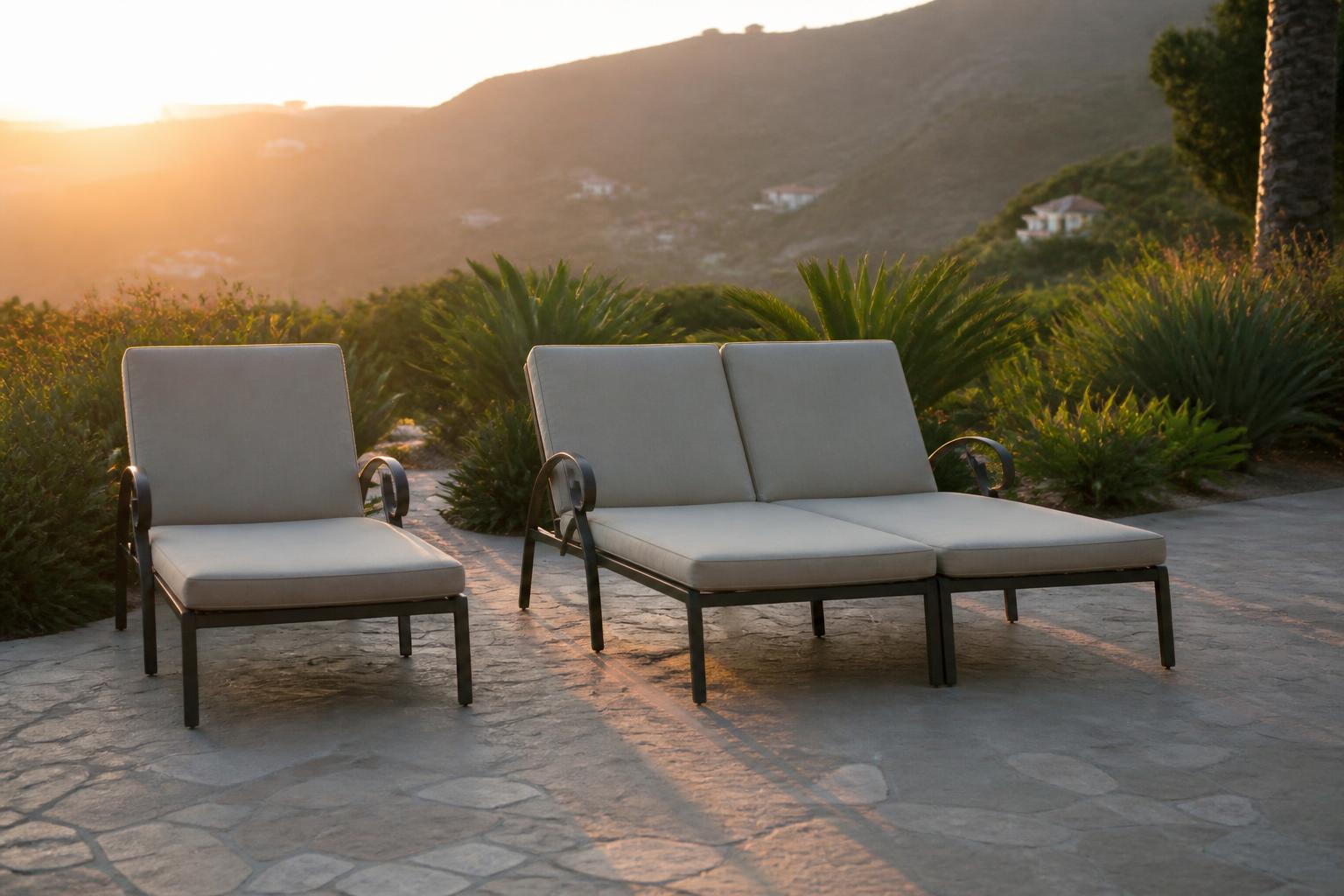
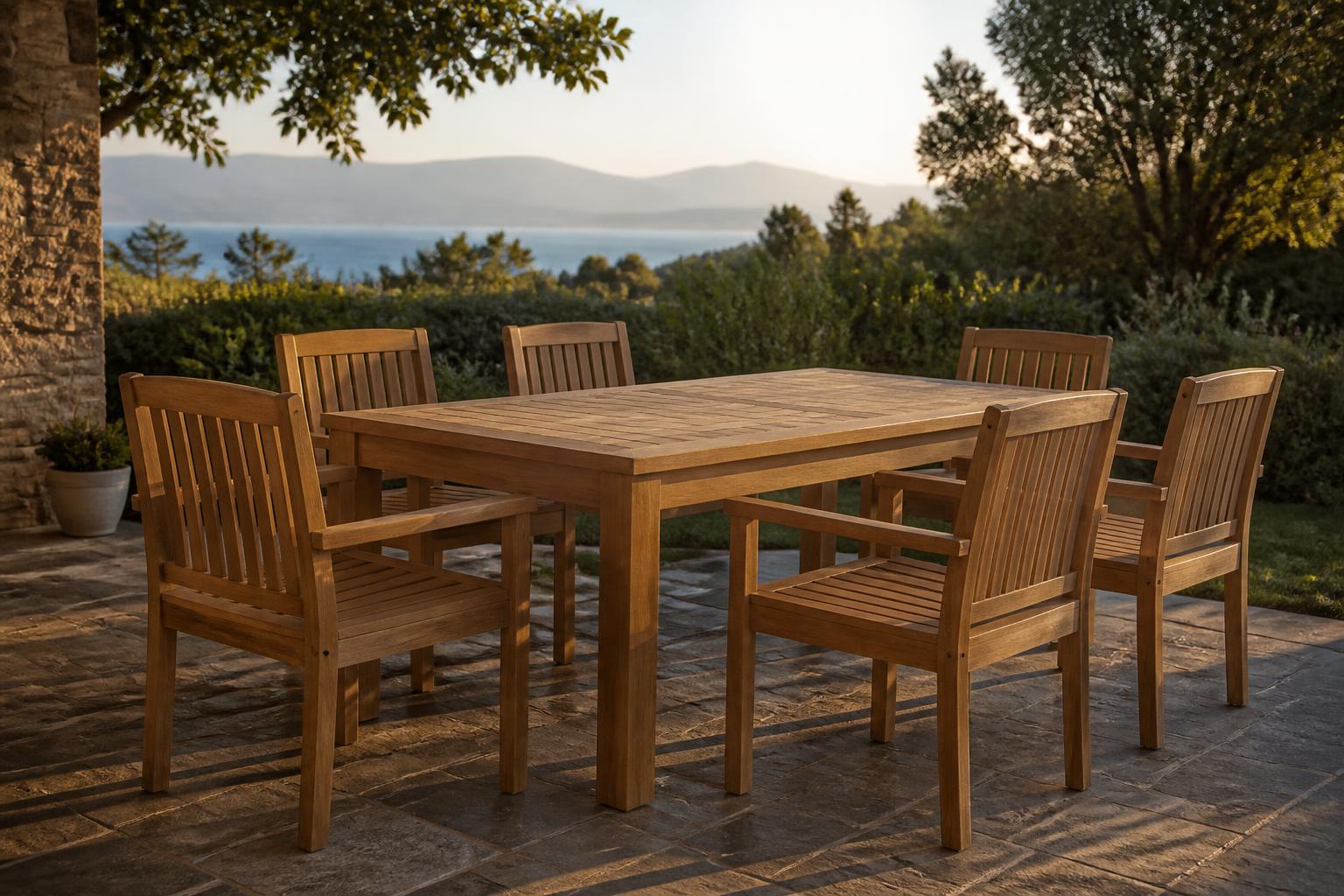
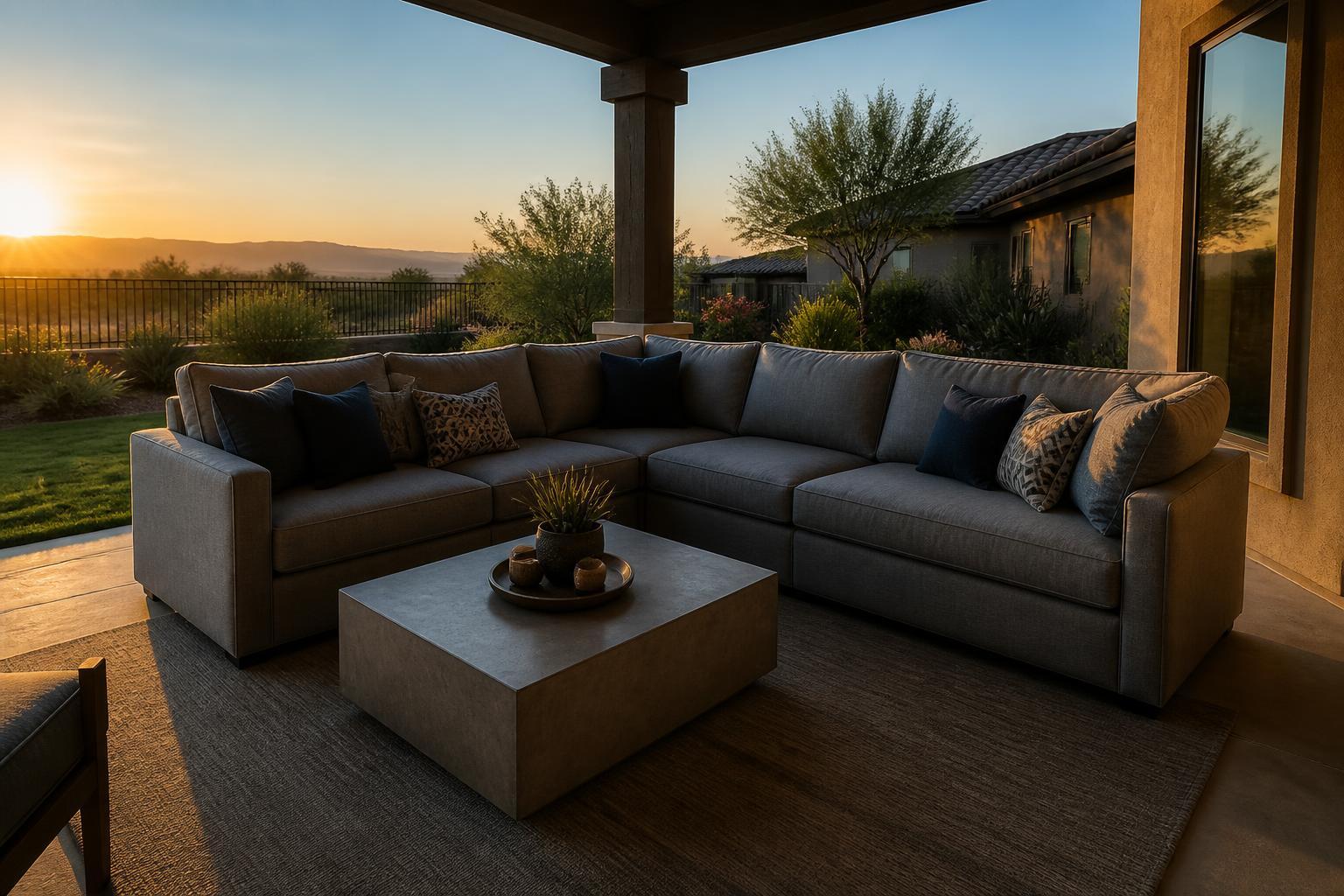

Choosing new cushions is not just about color. The outdoor cushion fill quick dry foam, fiber wrap, fabric, and seams all influence how a chair feels after a storm, how quickly moisture moves out, and how much care the cushion needs in Charlotte’s humid months.
If you are comparing deep seating, dining chairs, chaise cushions, or replacement cushions, start with how the cushion is built inside. A beautiful fabric can still feel soggy if water cannot drain, while a firm foam may disappoint if it is not paired with the comfort layer and cover construction you expect. This guide will help you ask better questions before you buy.

How Outdoor Cushion Fill Quick Dry Foam Handles Carolina Moisture
Quick-dry foam is designed with an open-cell structure, which means water can move through the cushion instead of being trapped in the middle. That is different from many indoor foams, which can hold moisture and take much longer to release it. For outdoor seating in the Carolinas, drainage is often just as important as softness.
The phrase outdoor cushion fill quick dry foam can sound like one single product, but cushion construction varies. Some cushions use a porous foam core with a polyester or fiber wrap for a softer first impression. Others may use layered fills, loose fiber, or denser foam depending on whether the cushion is made for dining, lounge seating, or a chaise.
Good drainage is a system, not just a foam choice. Water needs a path through the fabric, through or around the fill, and out through seams or vents. If the cushion sits flat on a non-draining surface, even a well-built cushion may stay damp longer than expected, so the frame and support deck also play a role.
For Charlotte-area patios, screened porches, pool decks, and lake homes, the goal is not to make cushions immune to rain. The practical goal is to choose fill and construction that help moisture escape so the cushion can return to comfortable use with normal care and suitable drying conditions.

Fabric, Seams, and Vents Are Part of Cushion Performance
Outdoor fabric affects more than the look of a cushion. The weave, backing, water resistance, and breathability all influence how quickly moisture can leave the cushion after rain, heavy dew, or wet swimsuits. A fabric made for outdoor use should also be paired with thread and construction methods intended for patio conditions.
Seams deserve a close look. Piping, boxed edges, zipper placement, and welt details can add structure and style, but they also affect how water moves. Some cushions are built with mesh panels, drain openings, or seams that encourage water to escape. If you are comparing options in person, gently press the cushion and notice whether air moves out freely or feels trapped.
Fabric care also influences long-term usability. Many performance fabrics have specific cleaning instructions, and those instructions should be followed for the exact fabric on your cushions. For example, Sunbrella’s fabric care guidance explains cleaning steps for its materials, but other fabrics may require different methods.
Do not assume that a water-resistant surface means the cushion should be left soaked or covered while wet. Covers and storage bags can be useful, but trapping moisture inside a cover may slow drying. After heavy rain, it is usually better to stand cushions on edge, open any applicable zippers according to the manufacturer’s guidance, and let air circulate.

Comfort Comes From Fill, Shape, and Support Working Together
Quick-dry construction is helpful, but comfort still has to fit the way you sit. A dining chair cushion usually needs a different feel than a deep lounge cushion because posture, seat depth, and time spent sitting are different. Chaise cushions may need support across the back, hips, and legs without feeling bulky at the hinge points.
Foam firmness is only one part of the feel. A cushion with a supportive core and soft wrap can feel inviting without collapsing. A cushion with too much loose fiber may feel plush at first but can shift more as people sit, especially on larger seats. The best choice is the one that feels good on the actual frame you plan to use.
When comparing cushions, check a few practical details before focusing on color alone:
- Seat height: A thicker cushion can raise you higher than expected and change how your feet rest on the ground.
- Seat depth: Deep cushions may need lumbar pillows for some guests, while shallow seats can feel tight with thick back cushions.
- Edge support: Sit near the front edge to see whether the cushion compresses too much when standing up.
- Back angle: A cushion that feels soft on one frame may feel too upright or too reclined on another.
- Drying position: Consider whether cushions can be tilted, removed, or stood on edge after rain.
If you are replacing cushions on an existing set, measure carefully and note the shape of corners, curves, ties, and hinge points. A cushion that is slightly off can slide, bunch, or leave gaps that collect water. Bring photos and dimensions when you compare options so the fill, fabric, and finished shape all suit the furniture.

Choosing Cushion Construction for Humid Charlotte Weather
Humidity changes how outdoor cushions behave. In the Carolinas, a cushion may not be soaked by rain but can still feel damp after a warm night, shaded morning, or heavy dew. Airflow around the furniture becomes especially useful on covered patios and porches where direct sun may be limited.
Placement can help cushions dry more predictably. Avoid leaving cushions pressed against solid surfaces with no air movement after rain. If your seating is under trees, near a pool, or in a shaded corner, plan on occasional extra care. The EPA’s mold resources offer general moisture guidance that reinforces a simple outdoor habit: reduce lingering dampness whenever possible.
When shopping, compare the full cushion rather than asking only for outdoor cushion fill quick dry foam. Ask what type of fill is inside, whether there is a wrap, how the seams are built, and what care instructions apply to the fabric. If the cushion belongs to a specific furniture collection, follow the manufacturer’s instructions for that product.
Carolina Patio Furniture carries outdoor furniture, cushions, fabrics, umbrellas, fire tables, and care items suited to real patio living in the region. You can browse outdoor options through the products selection, then compare comfort and construction in person so the cushion choice fits both your furniture and your routine.
Frequently Asked Questions
Is quick-dry foam waterproof?
No. Quick-dry foam is not the same as waterproof foam. It is typically designed to let water pass through more easily so the cushion can release moisture instead of holding it deep inside. The fabric, seams, frame support, airflow, and weather conditions all affect drying. After rain, standing cushions on edge can help water drain and air move around them.
What is the difference between foam and fiber-filled outdoor cushions?
Foam cushions usually offer a more structured feel, while fiber-filled cushions can feel softer and more pillow-like. Some outdoor cushions combine a foam core with a fiber wrap to balance support and comfort. For dining chairs, structure may be more important. For lounge seating, you may prefer a softer sit, as long as the fill stays stable on the frame.
Can I leave outdoor cushions out all summer in Charlotte?
Many outdoor cushions are made for patio use, but leaving them out constantly still exposes them to rain, pollen, humidity, sun, and debris. Follow the care instructions for your exact fabric and cushion. During stretches of wet weather, it is smart to improve airflow, stand cushions on edge when appropriate, or store them dry in a ventilated place.
How do I know if replacement cushions will fit my furniture?
Measure the seat width, depth, back height, cushion thickness, and any curves or angled corners. Note ties, zippers, hinges, and whether the frame has a flat deck or slats. Photos are helpful because cushion shape and support affect fit. If possible, compare measurements with the furniture collection or bring details to the showroom before choosing fabric and fill.
For cushion guidance that fits Carolina weather and the way you actually use your patio, visit Carolina Patio Furniture in Charlotte or call (704) 274-3222. You can also send measurements, photos, or questions through the contact page before you stop in.