
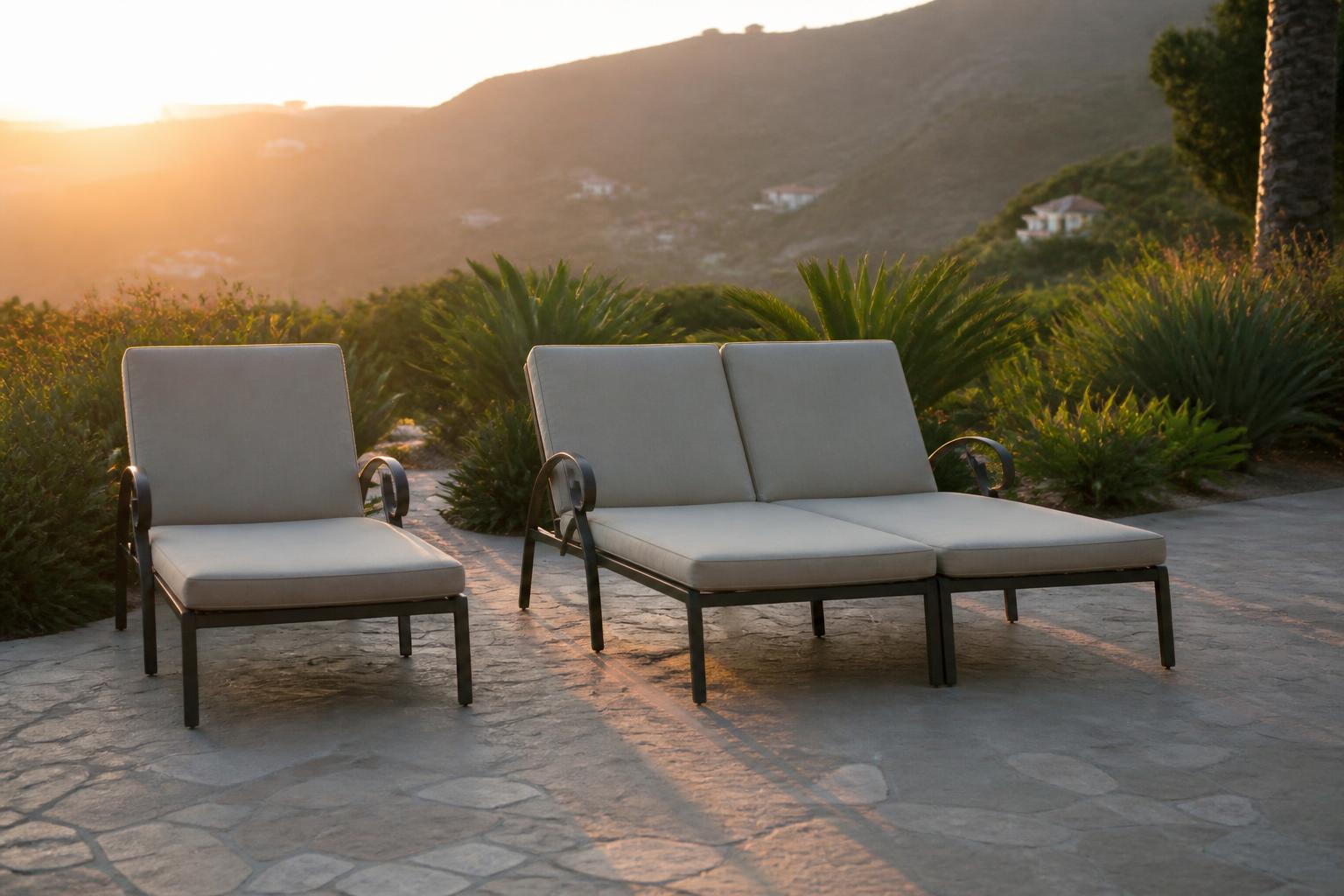
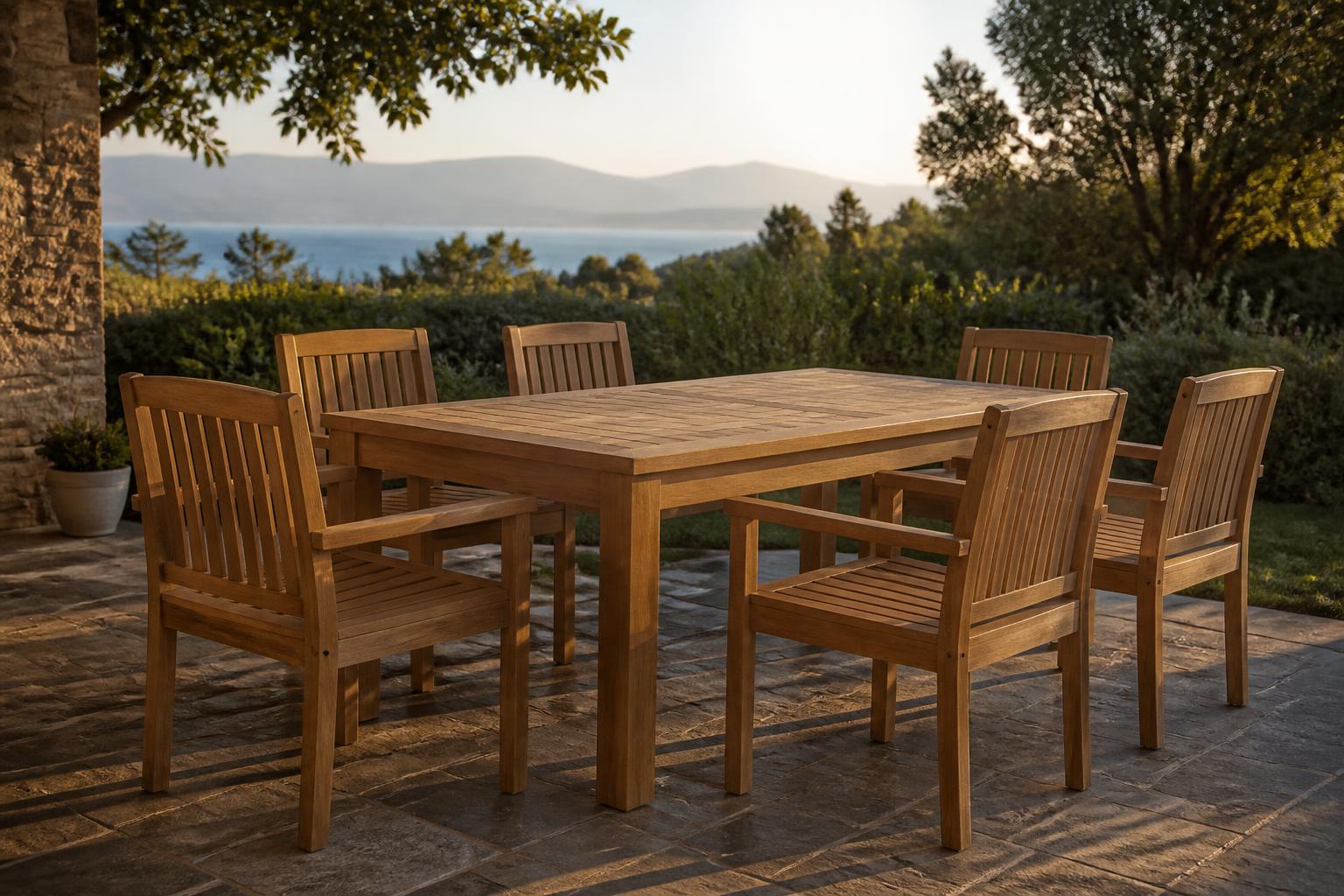
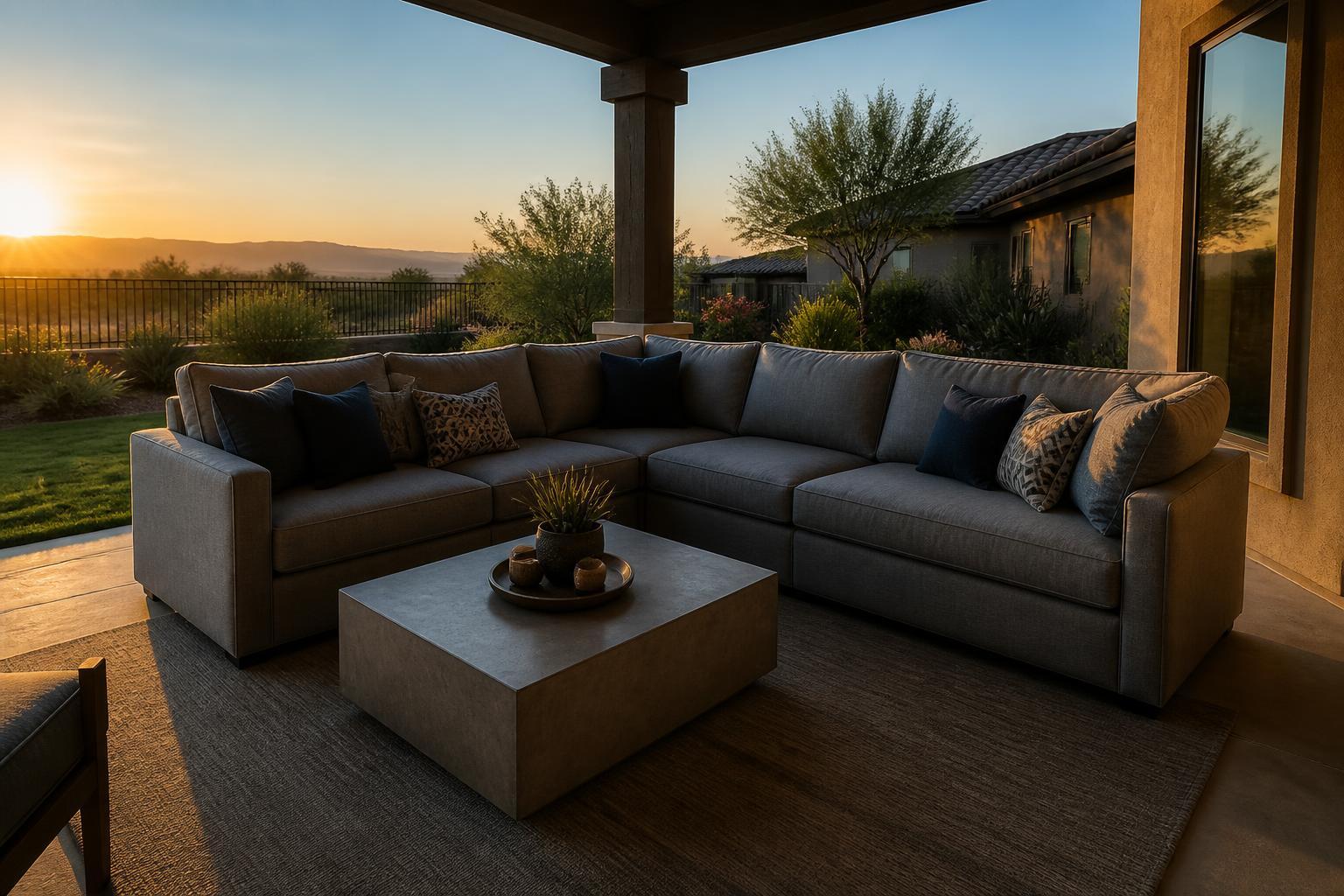
Quality patio furniture is an investment, and how you protect it through the off-season and rough weather determines how long it lasts and how good it looks. The two main strategies are covering furniture in place or storing it away. Both work, and many homeowners use a mix. Here is how to decide what is right for your set and space.
The case for covers
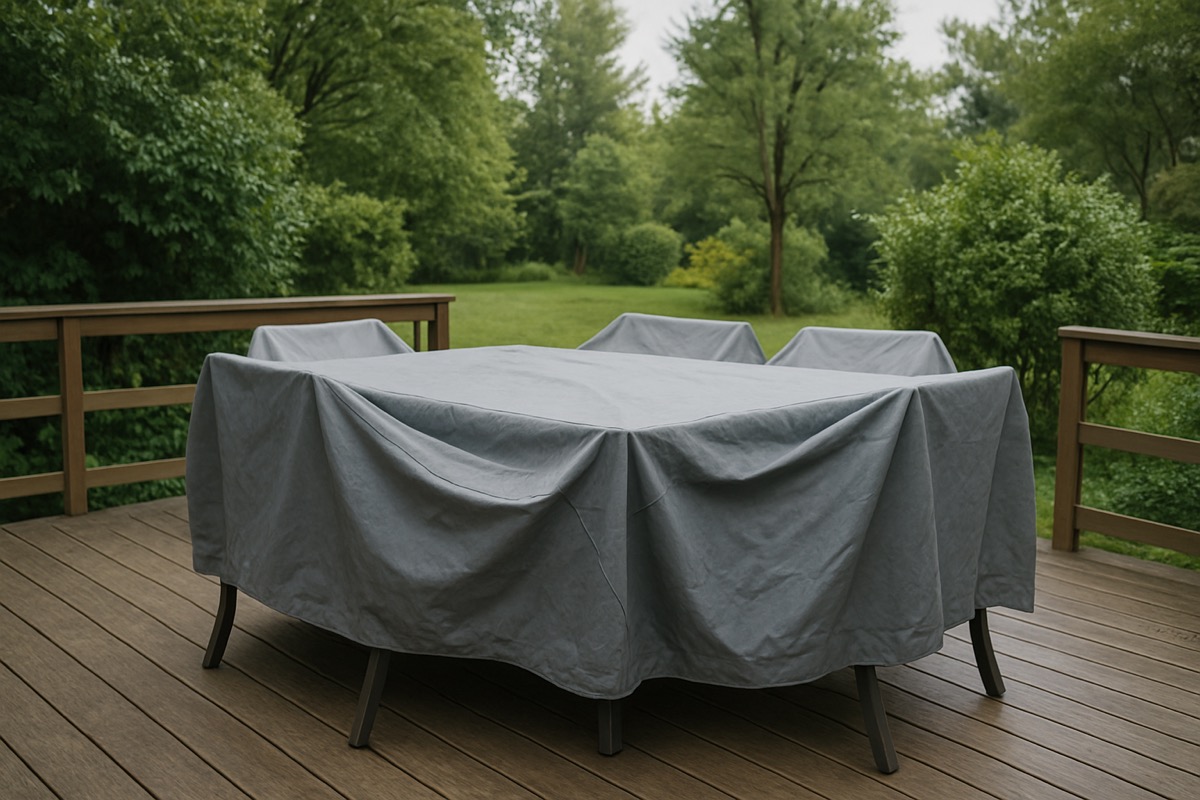
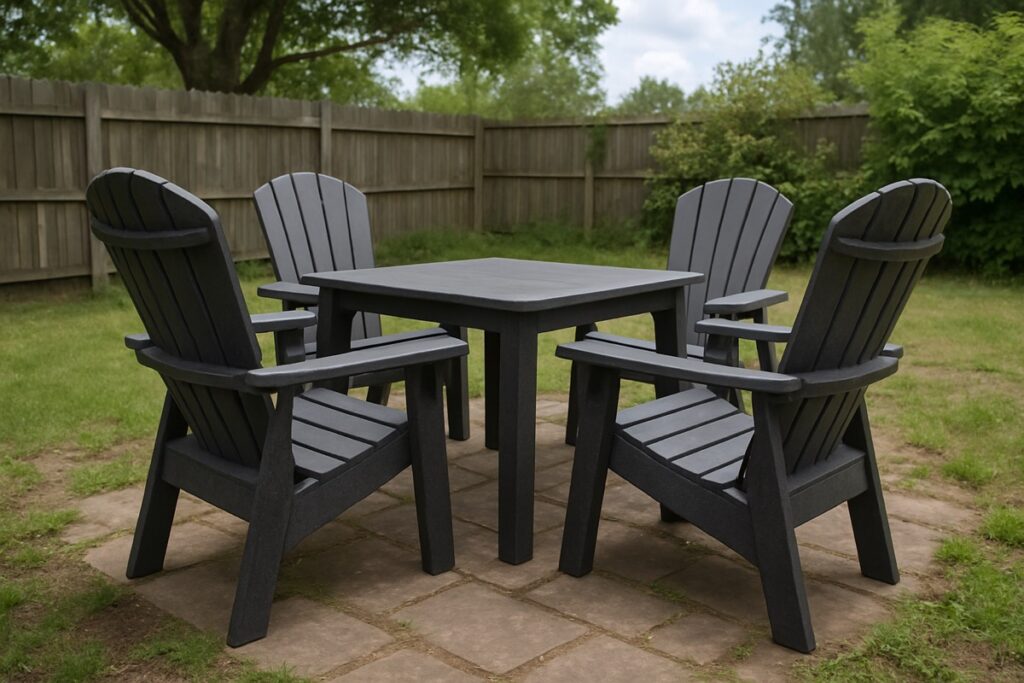
Furniture covers let you protect pieces right where they sit, which is the practical choice for large or heavy sets that are not easy to move. A good cover shields against rain, UV, pollen, leaves, and debris, keeping frames and any cushions left out cleaner and more protected. Quality covers are made of breathable, water-resistant material that fits snugly and has tie-downs or straps so wind does not lift them off. For a deep seating arrangement or a big dining set, covering in place is far easier than hauling everything indoors.
The case for storage
Storing furniture away, in a garage, shed, or covered area, offers the most complete protection, especially for cushions and smaller pieces. Out of the weather entirely, fabrics and frames are safe from sun, moisture, and temperature swings. Storage is ideal for cushions, which benefit most from being kept dry and out of UV, and for lightweight or folding pieces that move easily. The limitation is space; not everyone has room to store a full patio set, which is where covers fill the gap.
Cushions deserve special attention
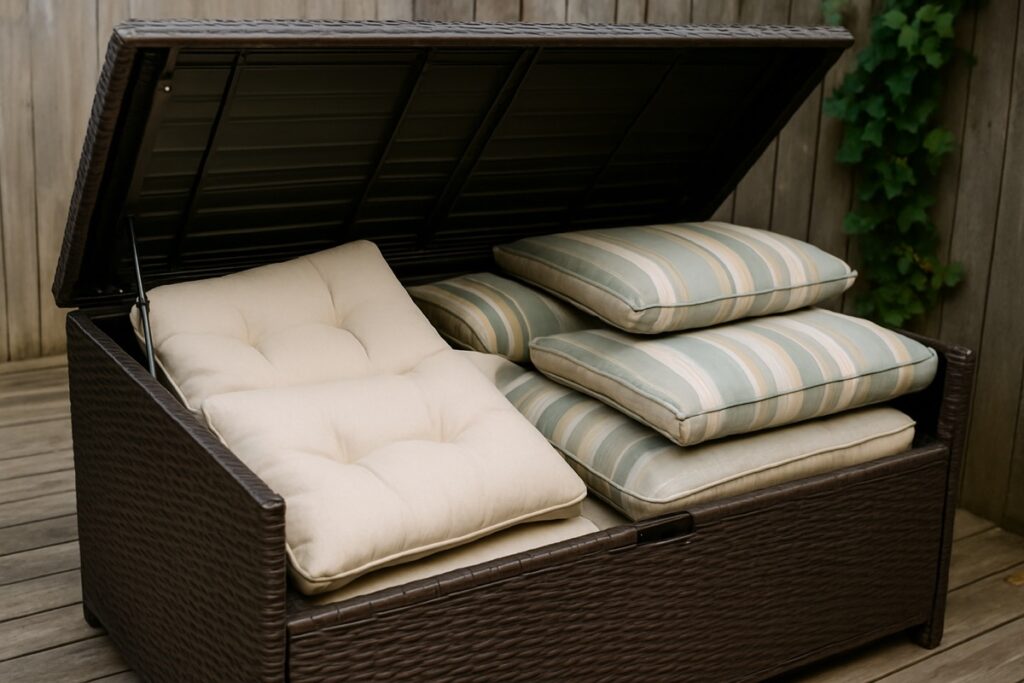
Whatever you do with the frames, cushions are the most vulnerable part of any set and the most worth protecting. Even quality solution-dyed fabric lasts longer when kept dry and out of constant sun during long stretches of non-use. Many homeowners store cushions indoors over winter or during extended bad weather even if they cover the frames in place. A dedicated storage box or deck box on the patio is a convenient middle ground, keeping cushions close at hand but protected from the elements.
Matching the approach to your furniture
The right strategy depends partly on what your furniture is made of. Cast aluminum and quality resin or recycled plastic frames handle the elements well and may need only a cover or even nothing in mild stretches, while cushions and any wood or iron elements benefit from more protection. Low-maintenance materials like recycled plastic are designed to stay outdoors year-round, simplifying the decision. Knowing how your specific set tolerates weather helps you avoid both over-protecting hardy pieces and under-protecting vulnerable ones.
A simple seasonal plan
For most Carolina homeowners, a practical approach combines both methods: cover the frames in place for everyday rain and debris, and store the cushions when extended bad weather or the off-season arrives. This protects your investment without demanding a garage full of furniture or constant hauling. Whatever plan you choose, a little consistency, covering after the season’s last big use and storing cushions before winter, adds years to the life of your patio set and keeps it looking new.
Getting the right fit and a few practical tips
A cover only protects well if it fits well, so sizing matters more than people expect. A cover that is too large flaps in the wind and lets rain blow underneath, while one that is too tight is hard to get on and can trap moisture. Look for covers sized to your specific pieces or set, with vents that let air circulate to prevent condensation and mildew, and with straps or drawstrings that hold them snug against Carolina breezes. A few practical habits make either approach work better: make sure furniture and cushions are clean and dry before covering or storing, since sealing in moisture invites mildew. Tilt or stack pieces so water sheds off rather than pools on top. And if you cover furniture in place, check it occasionally after storms to confirm nothing has shifted or collected water. These small steps cost nothing and dramatically extend how well your protection works. Whether you lean toward covers, storage, or a mix of both, a clean start and a snug, breathable fit are what turn protection from a good intention into furniture that genuinely lasts longer.
Protecting furniture before a Carolina storm
Beyond the off-season, our climate throws regular afternoon thunderstorms and the occasional severe weather event at a patio, and a little preparation protects both your furniture and your home. The most important habit is securing or stowing anything that can become airborne when strong winds arrive. Lightweight chairs, umbrellas, and especially loose cushions and throw pillows can be picked up by gusts and turned into projectiles or simply scattered across the yard, so bringing them inside or into a deck box ahead of a storm is worth the few minutes it takes. Umbrellas should always be closed and, ideally, taken out of their bases before high winds, since an open umbrella acts like a sail and can topple a table or be carried off entirely. Heavier pieces like cast aluminum dining sets and recycled plastic furniture generally ride out ordinary storms in place, but for severe weather it is wise to move them against a sheltered wall or group them together so they brace one another. If you cover furniture in place, double-check that straps and tie-downs are snug before a storm, because a cover that blows loose can flap, scratch finishes, or trap blowing rain underneath. After the weather passes, a quick walk around the patio to reset anything that shifted, clear away leaves and debris, and let things dry keeps small disruptions from becoming lasting wear. A simple storm routine like this, repeated through the season, goes a long way toward keeping a patio set looking new for years.
Choosing a quality cover and a smart storage spot
Not all covers are equal, and a few features separate one that protects for years from one that fails after a season. Look for heavy-duty, breathable fabric with a water-resistant coating, taped or welded seams that keep water from wicking through, and air vents that let moisture escape so condensation does not build up against your furniture. Snug-fitting covers shaped to your specific piece or set, with straps, drawstrings, or buckle closures, stay put against Carolina breezes far better than a loose tarp, which flaps, scratches, and lets rain blow underneath. A padded or soft inner lining is a nice touch on covers for finished pieces, since it will not abrade a powder-coated frame. On the storage side, the goal is a spot that stays dry and out of direct sun, such as a garage, a shed, a basement, or a covered porch. Keep stored furniture and cushions up off a concrete floor on a pallet or shelf, since concrete can wick moisture, and leave a little air space around pieces rather than packing them tightly so air can circulate. A deck box on the patio is an excellent middle ground for cushions, keeping them dry and out of the sun while staying close at hand for the next nice day. Whether you invest in good covers, a thoughtful storage setup, or both, treating protection as part of the purchase rather than an afterthought is what lets quality outdoor furniture deliver many seasons of use in our demanding climate.
For more on caring for and protecting outdoor furnishings between seasons, the outdoor furniture care guidance at Better Homes & Gardens is a helpful additional resource.
Frequently asked questions
Do I need to cover patio furniture in the Carolinas? It is highly recommended for frames left out, and storing cushions is especially worthwhile to protect them from sun and moisture.
Can recycled plastic furniture stay outside? Yes. Recycled plastic is designed to live outdoors year-round with minimal protection, which is part of its appeal.
What is the best way to protect cushions? Keep them dry and out of constant sun. Store them indoors or in a deck box during extended bad weather and the off-season.
Looking for durable, low-maintenance furniture? Explore our recycled plastic collection and the full shop, and reach out through our contact page or call (704) 274-3222 for advice.