
Anyone who has dropped onto a metal patio chair on a July afternoon in Charlotte knows the feeling: a quick jolt of heat and an instant move to stand back up. Summer here means long stretches of direct sun, high humidity, and surface temperatures that can climb well above the air reading. When customers come to us asking why their patio sits empty in the afternoon, the answer is often the furniture itself rather than the heat in general. The material you sit on, lean against, and rest your arm on makes the difference between a patio you enjoy at three in the afternoon and one you avoid until sunset. Our team spends a lot of time helping people choose surfaces that stay comfortable, so here is how the common options actually behave.
Why some surfaces heat up faster than others
Two things drive how hot a surface gets: how much sunlight it absorbs and how quickly it sheds that heat. Dark colors absorb more solar energy, so a charcoal cushion or a black frame will run hotter than a light tan or sand tone. Dense, solid materials like metal also conduct heat straight to your skin, which is why bare aluminum or wrought iron feels scorching even when the air is bearable. Lighter colors, materials that do not conduct heat well, and surfaces with some airflow underneath all stay noticeably cooler. There is also a humidity factor unique to our climate. On a muggy Charlotte afternoon, sweat does not evaporate quickly, so a non-breathable surface feels stickier and warmer than the thermometer suggests. Keep those factors in mind and the rest of the choices fall into place.
Aluminum frames: light, rust-free, but plan the finish
Aluminum is one of the most popular frame materials we carry because it does not rust, it is light enough to rearrange easily, and it lasts for years in Carolina humidity. The honest tradeoff is that bare or dark powder-coated aluminum can get hot in direct sun. The fix is straightforward. A lighter finish reflects more heat, and you rarely sit directly on the frame anyway since cushions sit on top. For arms and exposed rails, a textured or lighter powder coat stays far more touchable than a glossy black one on a bright afternoon.
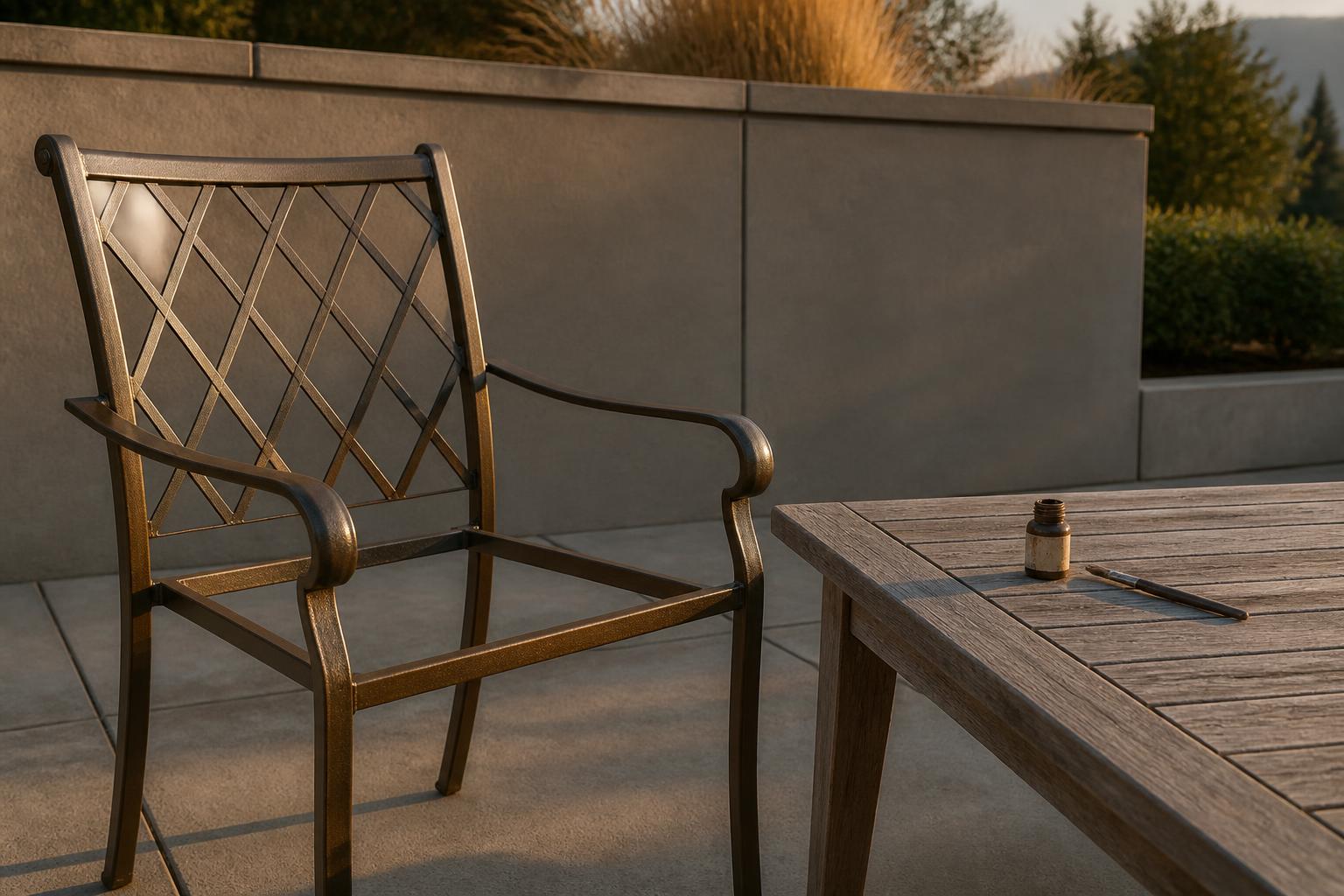
Wrought iron and steel: classic look, real heat
Heavier metals like wrought iron and steel give you that timeless, substantial feel, and they hold up to summer storms without blowing across the yard. They are also the materials most likely to feel hot to the touch, because dense metal conducts heat efficiently. We do not steer people away from them, but we are upfront that a metal seat without a cushion is going to be uncomfortable in full sun. Pair these frames with proper cushions and place them where they catch afternoon shade, and they perform beautifully.
Recycled plastic: a strong pick for hot, sunny patios
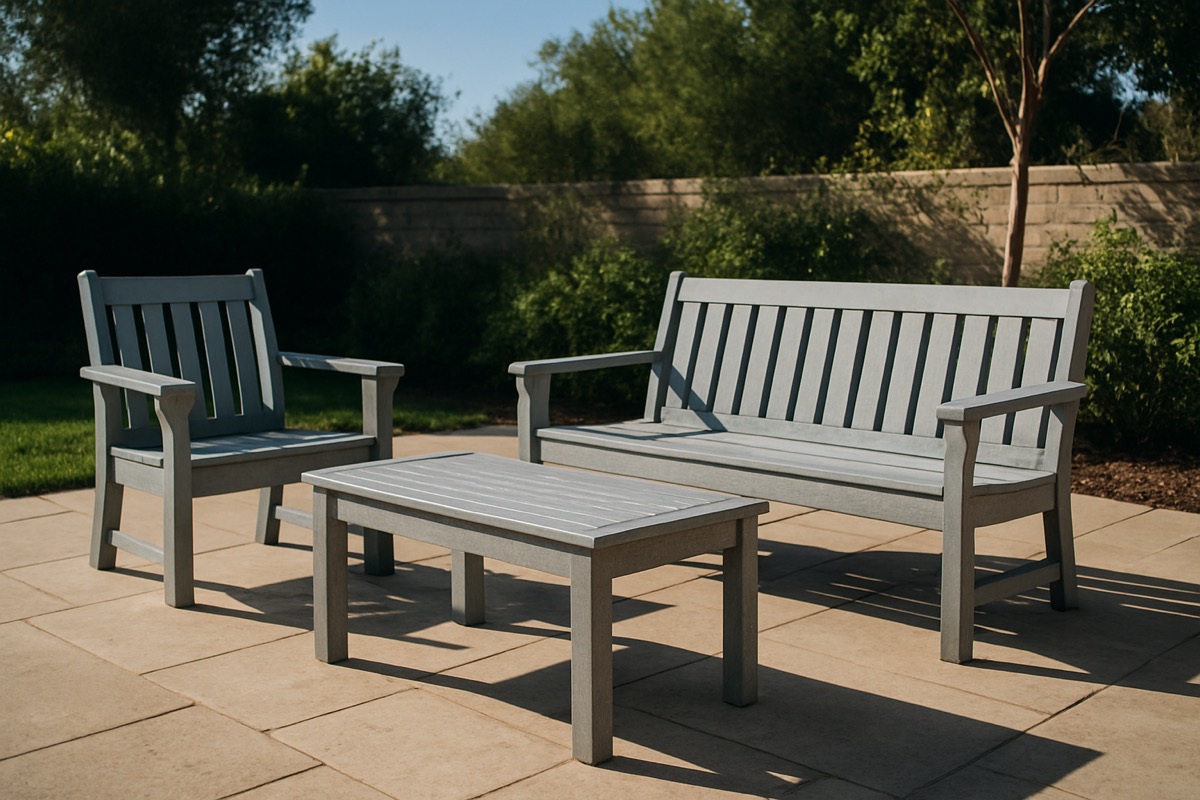
Recycled plastic has quietly become one of our top recommendations for sunny Charlotte patios. It does not conduct heat the way metal does, so even after hours in the sun it feels warm rather than searing, especially in the lighter color options. It also handles everything else our climate throws at it. It will not rot, it shrugs off humidity, it rinses clean of pollen, and the color runs through the material so it resists fading. For a south-facing patio that bakes all afternoon, it is hard to beat. You can see the full range on our recycled plastic collection.
Sling fabric: airflow keeps it comfortable
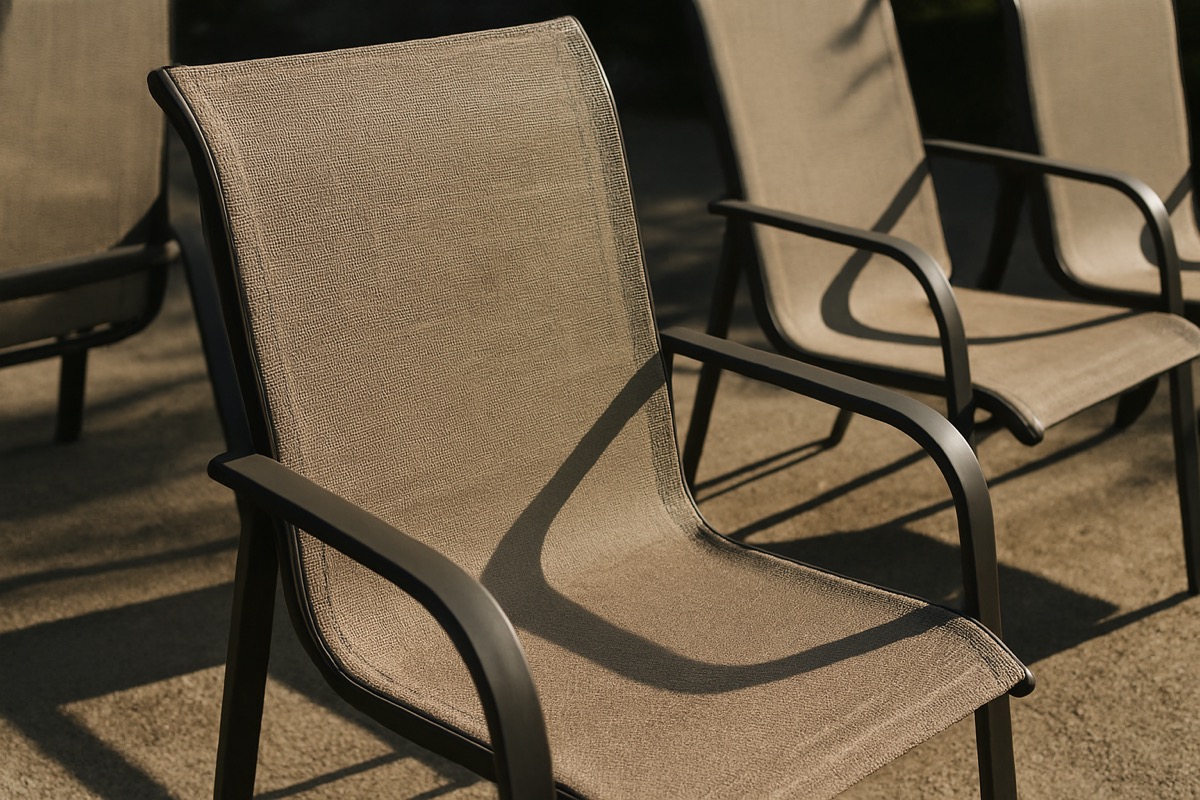
Sling chairs use a tensioned fabric stretched across the frame, and that simple design has a real advantage in heat. Air moves around and behind the seat, so the surface does not trap warmth the way a thick cushion can, and there is no foam to hold moisture after a storm. Sling dries fast, which matters during a summer of pop-up thunderstorms, and it means you can sit down minutes after the rain clears instead of toweling off a soaked cushion. The tradeoff is that sling offers a firmer sit than deep cushions, so we often suggest it for the seats people use briefly, like a morning coffee chair, and save plush lounge cushions for the spot where you settle in. Choose a lighter sling color and you have a seat that stays breathable through the hottest part of the day.
Cushions: fabric and color matter more than you think
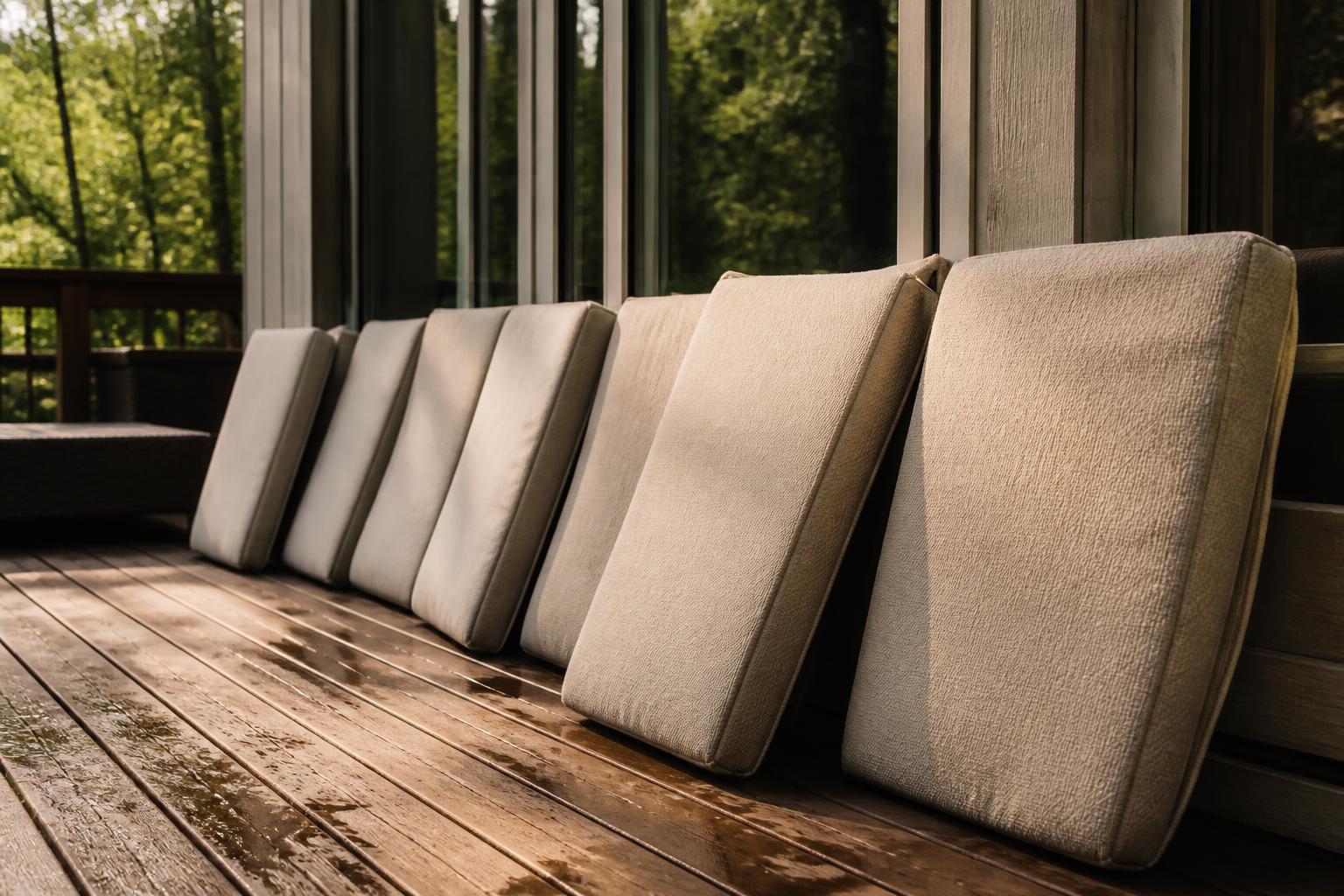
Even the best frame is only as comfortable as what sits on top. Solution-dyed performance fabrics resist fading and dry quickly, which keeps them from feeling clammy in our humidity. Color is the lever most people overlook. A light gray or sand cushion can run many degrees cooler than a deep navy or black in the same sun. If you love a dark look, we suggest saving it for shaded areas and choosing lighter tones for the seats that sit in full afternoon sun.
Smart placement and shade do half the work
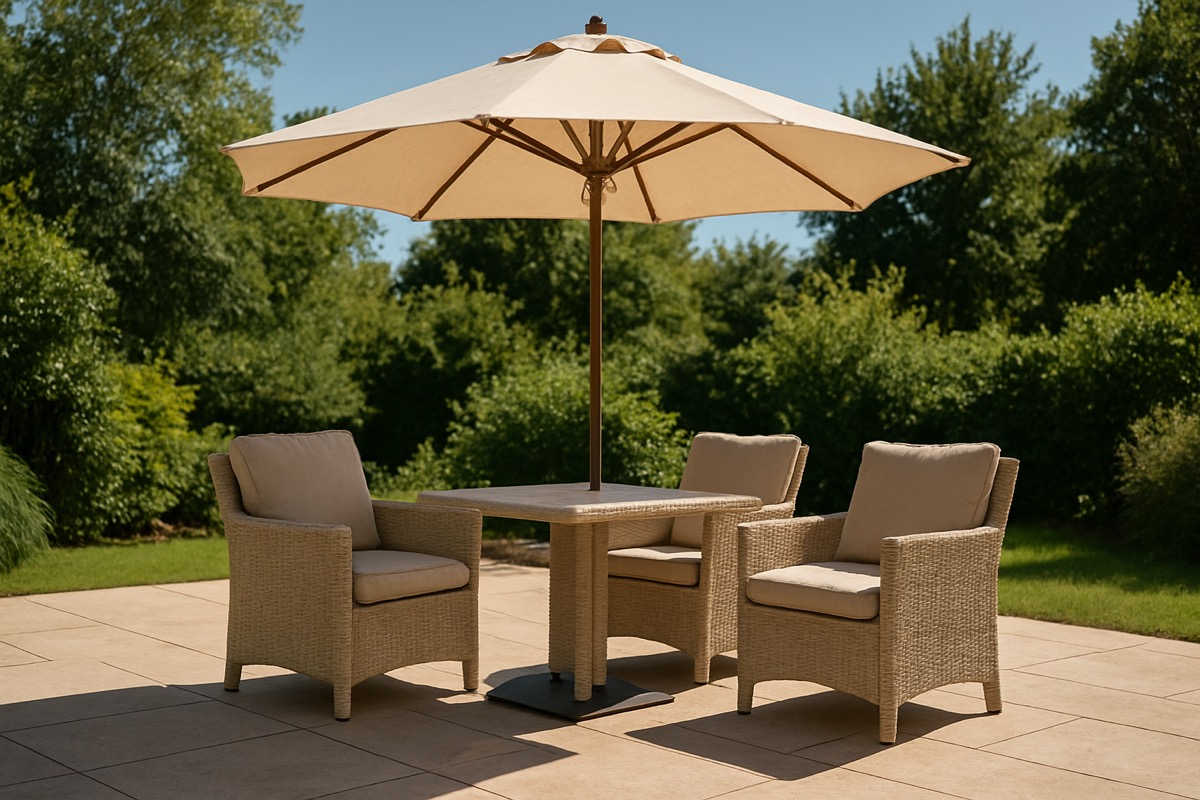
No material stays cool if it bakes uncovered from noon to six. We always talk through sun mapping with customers: watch where the shade falls across your patio at different hours, then place the seating you use most in the spots that catch afternoon relief. A market umbrella, a pergola, or even an east-facing corner can drop surface temperatures dramatically. The right material plus a little shade strategy turns an afternoon-empty patio into the best seat in the yard.
Let us match materials to how you actually use the patio
The cooler-surface conversation always comes back to how and when you use the space. A family that lives on the patio at midday needs different materials than one that mostly entertains after sunset. That is the kind of thing we work through every day, and you can learn more about our approach on our about page. There is no single best material, only the best fit for your sun exposure, your color taste, and your routine.
For an independent look at how different patio furniture materials perform outdoors, the patio furniture buying guidance at Consumer Reports is a useful additional resource.
Frequently asked questions
What outdoor furniture material stays coolest in direct sun? Recycled plastic and sling fabric tend to stay the most comfortable, since plastic does not conduct heat like metal and sling allows airflow behind the seat. In all cases, lighter colors run cooler than dark ones in the same sun.
Does aluminum patio furniture get too hot in Charlotte summers? Bare or dark aluminum can get hot to the touch, but you usually sit on a cushion, not the frame. Choosing a lighter powder-coat finish and placing pieces in afternoon shade keeps aluminum comfortable while you still get its rust-free, lightweight benefits.
Why do my dark cushions feel so hot? Dark fabrics absorb more solar energy than light ones, so a navy or charcoal cushion can run many degrees hotter than sand or light gray in identical sun. For full-sun seats we recommend lighter performance fabrics.
Can shade really make that much difference? Yes. An umbrella, pergola, or shaded corner can lower surface temperatures dramatically, which is why we map your patio’s sun before recommending where to place each piece.
Want help choosing surfaces that stay comfortable all summer? Browse our full catalog, explore the heat-friendly recycled plastic line, or learn more about our team. Call us at (704) 274-3222 and we will match materials to your patio’s sun.