
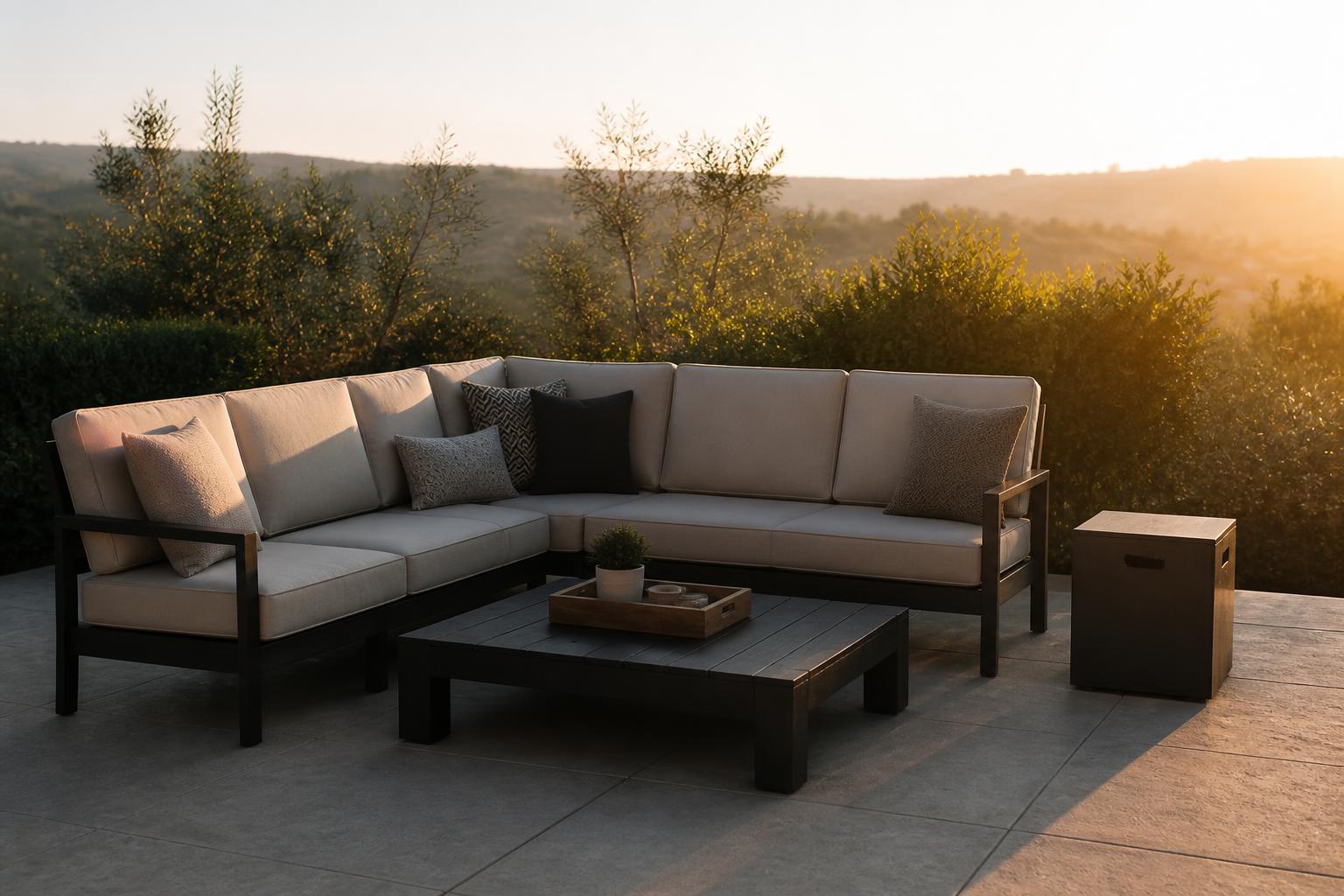
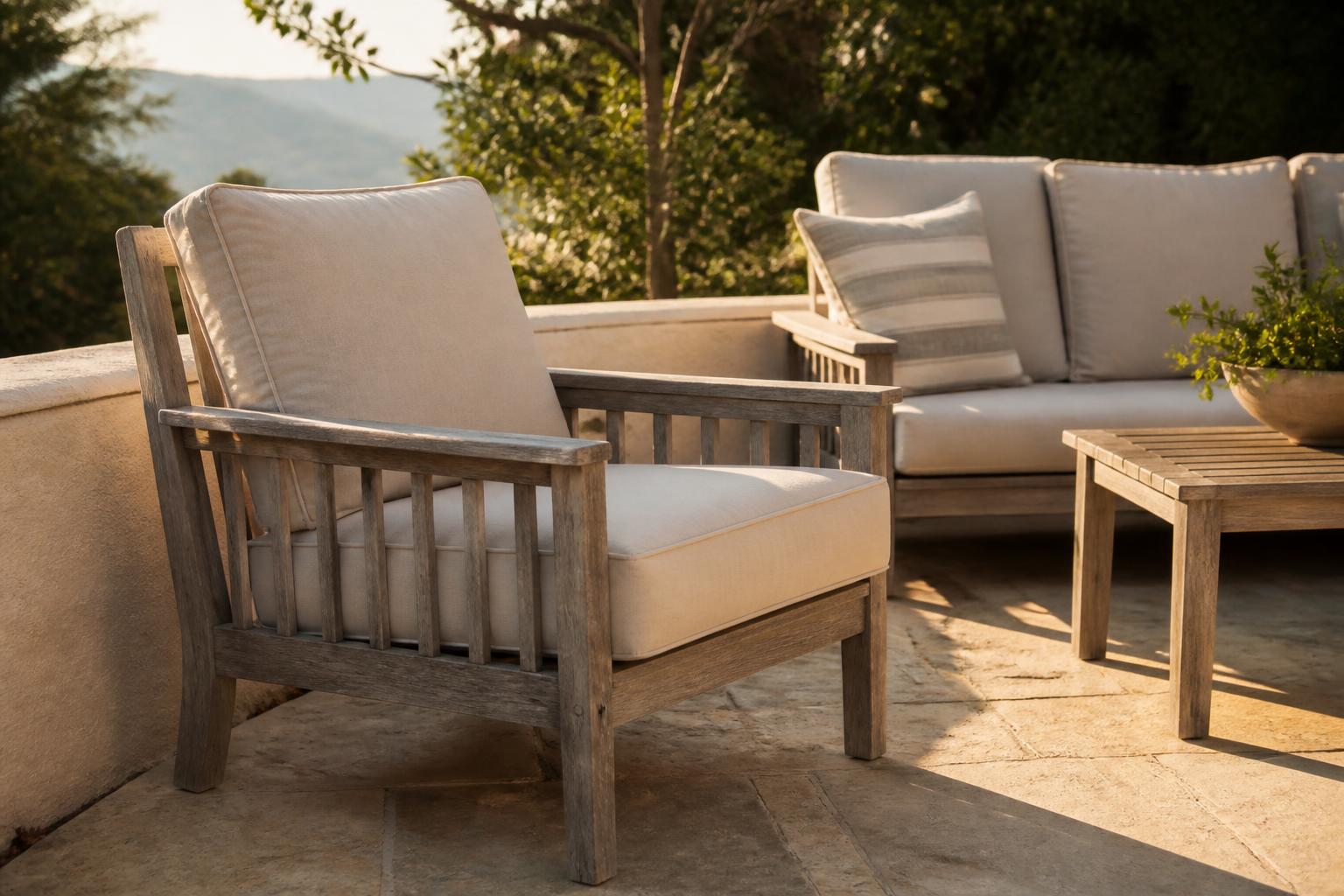

A good pool area should feel easy to use, not like a puzzle of chairs, towels, and side tables. Poolside chaise lounge spacing is the difference between a relaxing layout and one where every guest has to squeeze past wet cushions or step around reclined backs.
For Charlotte homes and patios, the goal is simple: leave clear walking paths, plan for how far each chaise reclines, and give people a convenient place for drinks, books, and sunscreen. Before you choose the number of chaises, think about the way your family actually moves from the house to the pool, from the pool to towels, and from seating to shade.

Poolside Chaise Lounge Spacing for Easy Movement
Start by measuring the full usable deck area, not just the empty rectangle beside the pool. Account for steps, gates, planters, grill zones, door swings, umbrellas, and any places where people naturally pause. A chaise that looks fine on paper can feel crowded if it blocks the route from the back door to the shallow end.
Most poolside layouts work best when chaises are treated as active furniture, not static objects. Someone will pull a cushion forward, raise the back, recline flat, shift a side table, or leave sandals beside the frame. Build in room for those real-life movements so the deck stays comfortable when the pool is in use.
When planning rows, avoid lining up every chaise as tightly as possible. A little breathing room between frames makes it easier to sit down, stand up, reach a side table, and clean around the furniture. It also helps cushions and fabrics dry more evenly after a swim or an afternoon storm.
If your patio has a narrow section, place chaises parallel to the longest edge or group them in pairs rather than forcing a straight row. A pair of chaises with a shared table can feel intentional while keeping the main walkway open for wet-foot traffic.

Plan for Recline Clearance, Not Just Frame Width
Chaise width is only the starting point. The backrest angle, full recline position, wheels or rear legs, and cushion thickness all affect how much room the piece needs. Always follow the manufacturer’s instructions for the exact chaise you choose, especially if it has adjustable positions, moving hardware, or a recommended clearance for safe use.
Leave enough space behind each chaise for the back to recline without hitting a wall, fence, planter, or another chair. If a chaise backs up to landscaping, remember that shrubs grow and can hold moisture against cushions or frames. Keeping furniture away from foliage also makes routine cleaning easier.
Use this quick planning checklist before deciding how many chaises fit comfortably:
- Measure each chaise in the upright and fully reclined positions.
- Mark the likely walking path from doors, gates, and pool steps.
- Allow room for a person to stand beside the chaise while another person passes.
- Include side tables, umbrellas, and towel storage in the footprint.
- Check that reclined backs do not interfere with dining chairs, fire tables, or conversation seating.
It can help to tape out the furniture footprint on the deck before buying. Walk the route barefoot or in pool sandals, then imagine someone carrying towels or a tray of drinks. If the path feels awkward when the area is empty, it will feel tighter once cushions, guests, and pool gear are involved.

Keep Side Tables, Umbrellas, and Wet-Foot Traffic in the Plan
Side tables are small, but they often create the pinch points that make a pool deck feel cluttered. Place them where guests can reach them without crossing the main path. Between two chaises is usually more efficient than placing a table on the outside edge of each chair.
Umbrellas need special attention because their shade pattern changes throughout the day. A base may sit out of the way in the morning but become a tripping nuisance when guests rotate chairs for afternoon shade. If you are using a market umbrella or cantilever umbrella, follow the manufacturer’s setup and base instructions for that specific model.
Wet-foot traffic deserves a clear route from the pool edge to towels, outdoor seating, and the house. The Pool Safely safety tips from the U.S. Consumer Product Safety Commission are a helpful reminder to keep pool areas orderly and attentive, especially when children are present. Furniture placement should support good visibility and easy movement rather than creating hidden corners or obstacles.
Afternoon showers and humidity also affect how a pool layout performs. Leave space to pull cushions, move a chaise slightly for drying, or tilt an umbrella closed without bumping into adjacent furniture. Open spacing makes it simpler to care for fabrics and frames after heavy use.

Choose Chaise Materials and Layouts That Fit Carolina Outdoor Living
Spacing is easier when the furniture suits the way the space will be used. Lightweight pieces may be convenient to adjust, while heavier frames can feel more stable in a dedicated layout. Cushioned chaises create a softer, more lounge-focused setting, while sling styles can be practical around frequent swimmers because they are simpler to wipe down.
Fabric choice also affects day-to-day comfort. Outdoor cushion fabrics are designed for exposure, but they still benefit from airflow, regular cleaning, and room to dry. The Sunbrella cleaning guidance is a useful reference for general fabric-care habits if your cushions use that material; always check the care instructions for your exact fabric.
If your pool deck connects to a covered patio or outdoor room, coordinate the chaise area with the rest of the furniture plan. Conversation seating, umbrellas, fire tables, and dining pieces should feel connected without competing for the same path. You can browse outdoor furniture options at Carolina Patio Furniture’s product selection to compare chaise styles, cushion profiles, side tables, and shade pieces that work together.
For a narrow pool, consider fewer chaises with better comfort rather than a crowded line of loungers. For a larger deck, create zones: sun chaises near the pool, shaded seating farther back, and a table or fire table where dry guests can gather. The best layout feels relaxed on a busy Saturday, not just tidy when nobody is outside.
Frequently Asked Questions
How much space should I leave between poolside chaises?
Leave enough room for a guest to sit down, stand up, and step around the chaise without brushing against the next frame. The exact distance depends on the chaise width, arm style, side table placement, and whether the back reclines. Instead of relying on a single number, measure the furniture in its common positions and test the walkway with real movement.
Should chaises face the pool or the sun?
Most poolside chaise layouts balance both. Facing the pool keeps swimmers and children easier to see, while angling toward the sun may make lounging more comfortable at certain times of day. If possible, place chaises so they can be adjusted slightly without blocking the main path. Umbrellas can add flexibility without requiring the whole layout to move.
Where should side tables go in a chaise lounge setup?
Side tables usually work best between pairs of chaises or just outside the main walking route. They should be close enough for drinks, sunscreen, and phones, but not positioned where wet feet will catch a table leg. If space is tight, one shared table between two loungers often keeps the deck more open than several individual tables.
What chaise style is best for a pool deck in Charlotte?
The best style depends on how often the pool is used and how much cushion comfort you prefer. Sling chaises can be practical for frequent swimmers, while cushioned chaises create a more relaxed resort feel. Look for outdoor-rated materials, suitable fabric care instructions, and a frame size that allows open circulation around your pool deck.
For help planning a comfortable poolside layout, visit Carolina Patio Furniture in Charlotte or call (704) 274-3222. You can also reach the team through the contact page to discuss chaise lounges, cushions, umbrellas, side tables, and outdoor furniture for your space.