
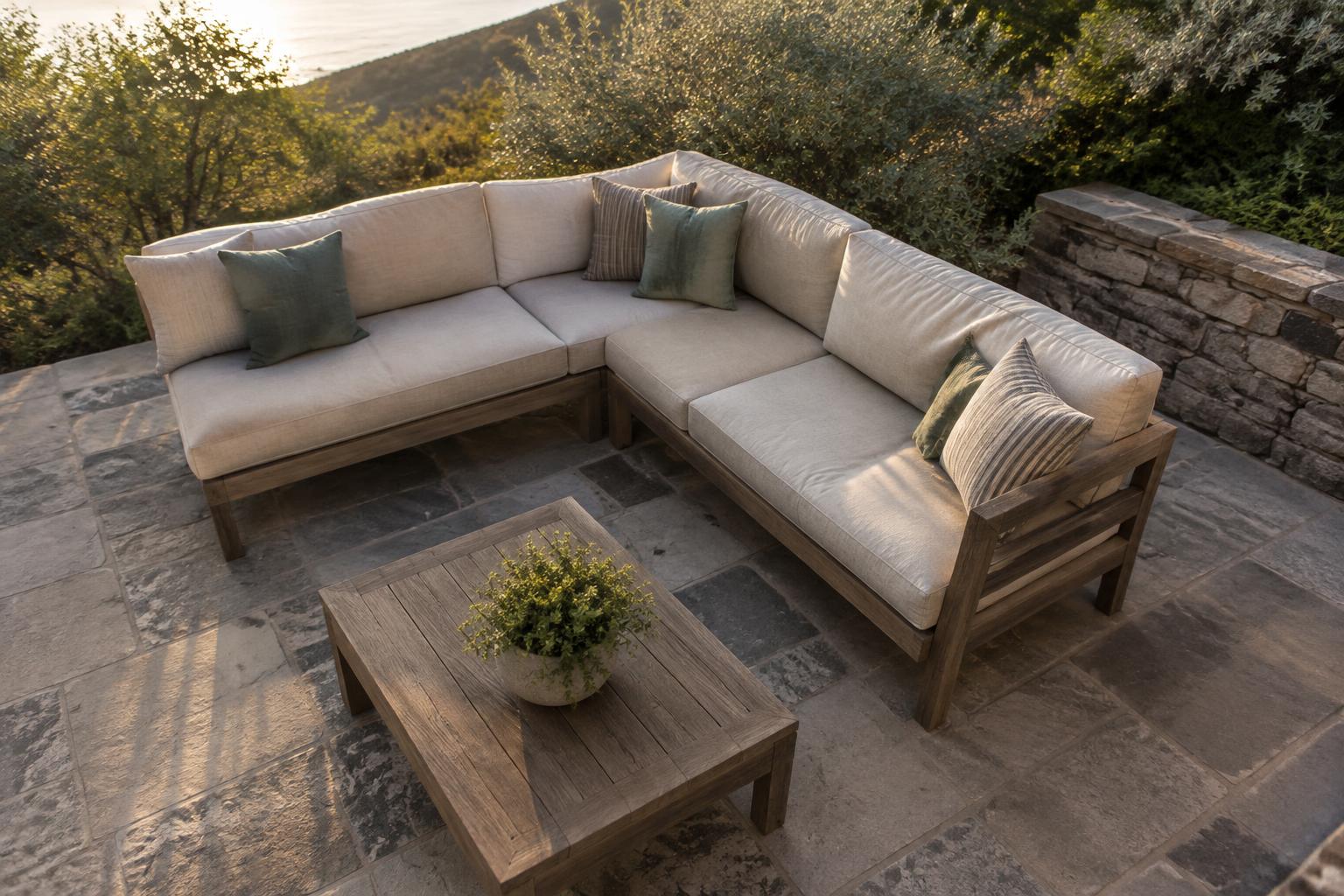

When you are comparing removable outdoor cushion covers against cushions with a permanently sewn shell, the decision really comes down to how you plan to clean, store, and eventually refresh your outdoor seating. Both styles show up on dining chairs, deep-seating sofas, and chaise lounges across the Carolinas, and both can look sharp for years if you treat them correctly. The difference shows up later, when a cover gets stained, a cushion needs a wash, or you simply want to update the look of a patio set without buying new furniture. This guide walks through the practical tradeoffs so you can choose the style that matches how you actually use your outdoor space.
How Removable and Sewn-In Covers Are Constructed
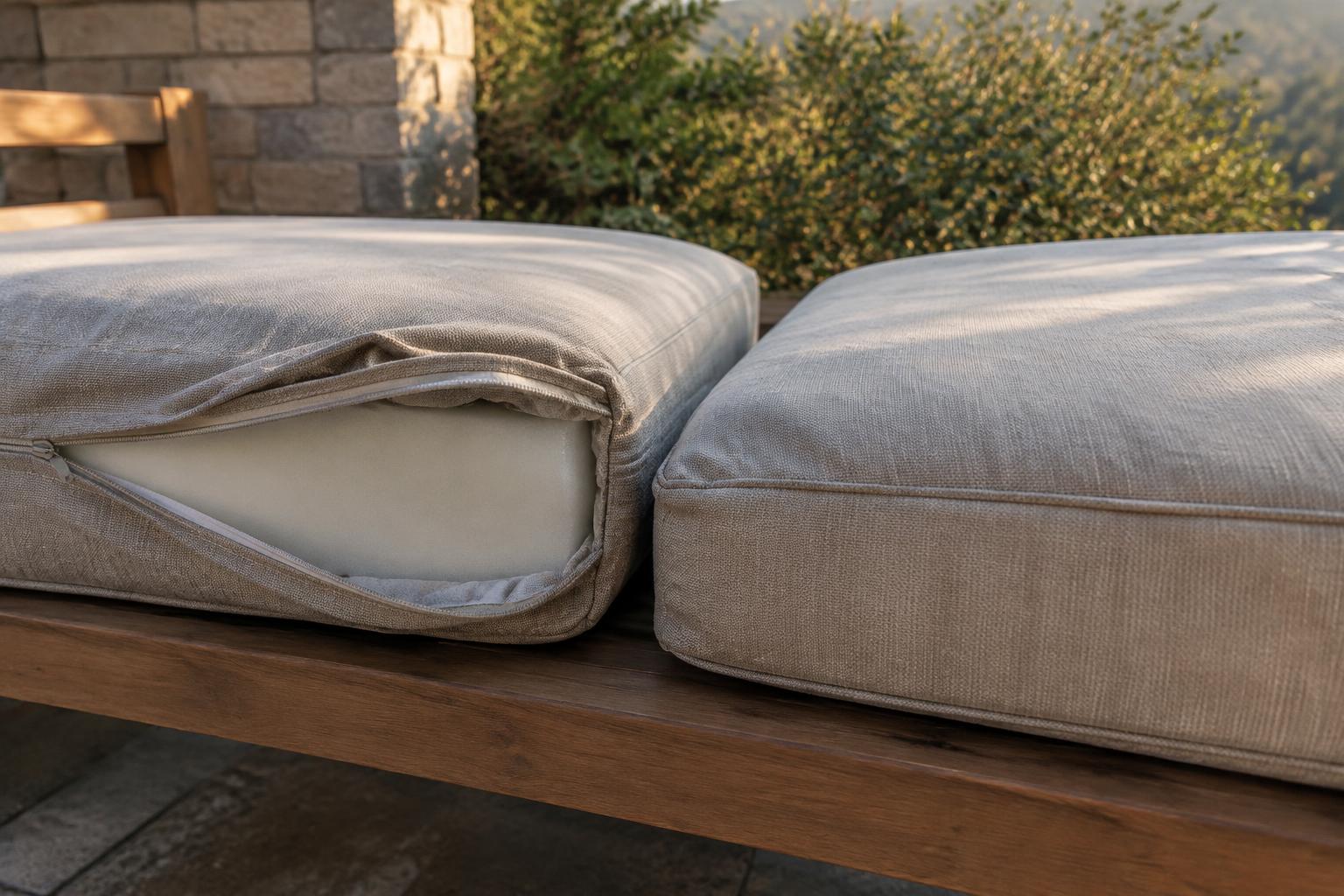
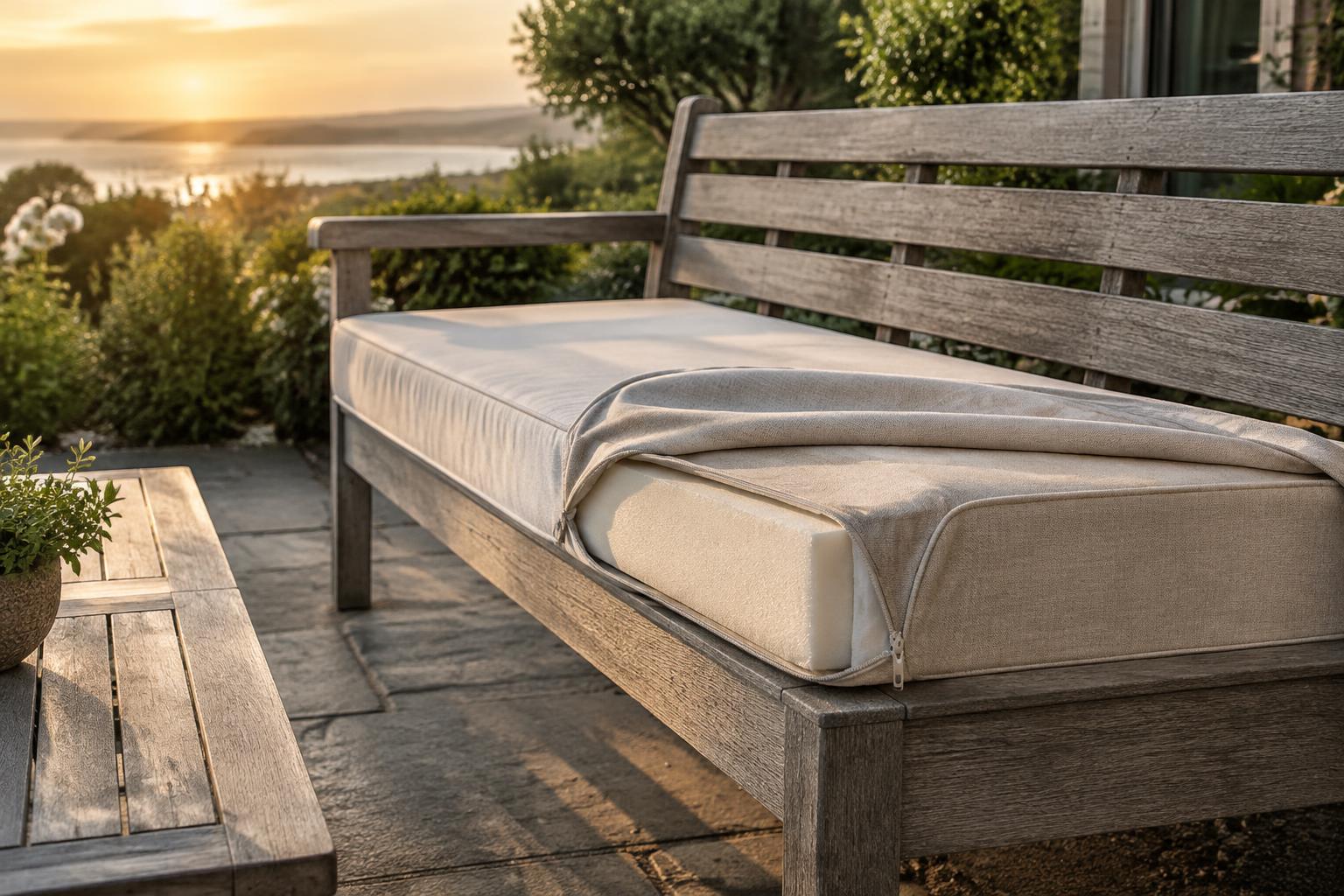
A removable cover is built with a zipper, usually running along the back or underside seam, that lets the fabric shell separate completely from the foam insert inside. A sewn-in cushion, by contrast, has its cover permanently closed around the foam during manufacturing, with no zipper or opening at all. Both approaches use similar foam cores and similar performance fabrics on the outside, so the fabric quality itself is not usually the deciding factor.
Zip-Off Covers
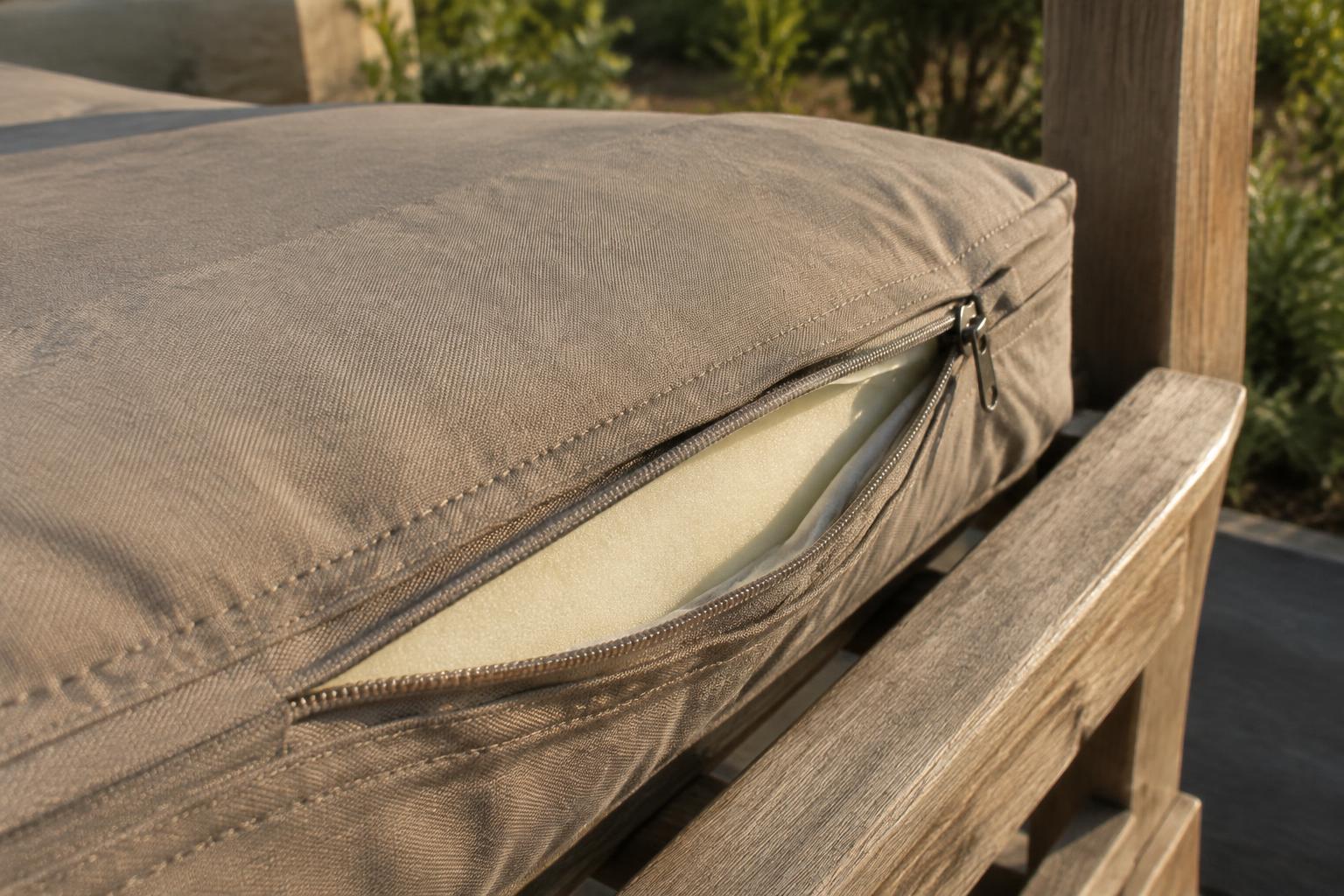
Zip-off covers give you access to the foam whenever you need it. You can pull the cover off to spot-treat a stain away from the cushion, air out the foam separately from the fabric, or set the shell aside while the furniture frame gets a seasonal cleaning. The zipper typically runs the length of one edge, and some are finished with a protective flap that covers the zipper that keeps the pull from sitting directly against the foam.
Sewn-In Cushions
A sewn-in cushion is closed on all sides, which eliminates the zipper as a potential weak point altogether. There is no opening to catch debris, no pull tab to snag on a sweater, and nothing to work loose over time. The tradeoff is that you cannot separate the fabric from the foam later, so any cleaning or drying has to happen with the cushion fully assembled.
Cleaning and Drying: What Each Style Actually Requires
Cleaning is where the two styles diverge the most, and it is worth reading the care tag on your specific cushion before doing anything else, since instructions vary by manufacturer and some covers are machine washable while many are not. For a removable cover rated for machine washing, you generally unzip the shell, wash it according to the tag, and let it air dry fully before zipping it back over the foam. Reassembling a cover onto damp foam traps moisture inside, so patience here matters more than speed.
Sewn-in cushions are almost always cleaned in place with mild soap, lukewarm water, and a soft brush, working the suds into the fabric and rinsing thoroughly before air drying in open air. Because the foam and cover dry together, a sewn-in cushion that gets soaked in a storm can take noticeably longer to feel dry through the middle compared with a cover you can peel back and dry separately. Either way, always test any cleaning method on a hidden corner first, and follow the manufacturer’s care tag rather than a generic routine, since fabric treatments differ between brands.
If you keep your furniture on an open patio through the humid months common in the Charlotte area, building a regular wipe-down habit matters more than which cover style you choose. For a seasonal routine you can actually stick to, the cleaning schedule for pollen season breaks down how often to clean and what to watch for as the seasons shift.
Replacing a Stained or Worn Cover Without Replacing the Foam
This is the single biggest practical advantage of a removable cover. If a cushion fabric gets permanently stained, fades unevenly from sun exposure, or simply looks dated after a few seasons, a zip-off design lets you replace just the cover and keep the existing foam core underneath it, assuming the foam is still in good shape. That can save a meaningful amount compared with replacing the entire cushion, and it also lets you change color or pattern if your outdoor furniture’s look no longer matches your space.
With a sewn-in cushion, there is no way to swap just the fabric. A deep stain, a tear, or sun-faded fabric means replacing the whole cushion, foam included, since the two cannot be separated. For any replacement, especially an unusually sized or shaped seat, confirm the frame model, required dimensions and cushion construction with the manufacturer or supplier before ordering. A similar-looking cushion may not provide the same fit or support.
If you are weighing whether it makes more sense to replace cushions at all or to replace the furniture itself, particularly on frames that are showing their own wear alongside the cushions, it helps to think through the comparison before spending on either one; a side-by-side look at replacing cushions versus replacing the furniture walks through when each option tends to make more sense.
Zipper Wear, Seams, and Shape Retention Over Time
Every zipper is a moving mechanical part, and like any mechanical part it can wear with repeated use, exposure to grit, or being left closed under tension for long stretches. A zipper that sits in direct sun for extended periods can also become brittle faster than the surrounding fabric, so it is worth keeping cushions under a porch roof or umbrella when you are not using them if you want the closure to stay smooth longer. None of this means zip-off covers wear out quickly, only that the zipper is one more component to check during a seasonal look-over, alongside the seams and piping.
Sewn-in cushions remove the zipper from the equation entirely, which some owners prefer simply because there is one fewer part to think about. The seams on a sewn-in cushion still experience the same stress from sitting, sliding, and stacking as any other cushion, so seam quality matters regardless of which style you choose.
Shape retention depends more on foam density and how the cushion is used day to day than on cover style. A removable cover that is zipped snugly around a quality foam core will generally hold its shape as well as a sewn-in cushion built with the same foam. Where shape issues tend to show up is with a cover that was ordered slightly too large for the foam inside it, which can create loose folds at the corners over time. Checking that a replacement cover is sized to the exact foam dimensions, not just the cushion’s outer measurements, helps avoid that problem.
Matching Cover Style to Pool Decks, Covered Porches, and Family Patios
A pool deck sees more direct water exposure than almost any other outdoor seating area, from splashes, wet swimsuits, and sudden rain. A removable cover makes sense here because you can pull it off, rinse it separately, and let both the foam and fabric air out independently rather than drying as one thick, waterlogged unit. If storage space near the pool is limited, look for covers with a smooth, easy-pulling zipper that does not require much effort to remove and replace.
A covered porch is the lowest-wear environment of the three, since the roof keeps cushions out of direct rain and reduces sun fading. Either cover style tends to perform well in this setting, so the decision can come down to preference, how often you plan to deep-clean, and whether you like the option of swapping fabric later.
A busy family patio, with kids, pets, and frequent use, benefits from the flexibility of a removable cover simply because stains happen more often in that setting, and having the option to wash or replace just the fabric shell without buying new cushions tends to pay off over a few seasons. That said, a well-built sewn-in cushion in a durable performance fabric can hold up just as well under daily use; the tradeoff is accepting that the whole cushion gets replaced together when the fabric eventually needs it. General background on outdoor fabric care and durability is available from NC State Extension.
Frequently Asked Questions
Can I add a zipper to a sewn-in cushion later?
Not practically. Adding a zipper after the fact means cutting into the existing cover and resewing it, which typically does not produce a clean, weatherproof seam and can affect how well the cover sheds moisture. If having removable access matters to you, it is better to choose a zip-off style from the start or choose a replacement cover built that way.
Do removable covers let in more moisture than sewn-in covers?
Not inherently. A properly closed zipper with a protective flap sheds most splashes when closed, though no zipper is fully waterproof. Moisture issues usually come from a cushion being left out in heavy, sustained rain rather than from the cover style itself, so storing or covering cushions during extended wet stretches matters more than which closure type you have.
How do I know if my cover is machine washable?
Check the manufacturer’s care tag, which is usually sewn into an inner seam near the zipper or along one edge of the cushion. Some performance fabrics are machine washable on a gentle cycle, while many are recommended for hand cleaning only with mild soap and lukewarm water. Always follow the tag rather than general assumptions about the fabric type.
Will a replacement cover fit my existing foam exactly?
It should, as long as you measure the foam itself, not just the outer cushion, including thickness, width, and depth at the widest points. Foam can compress slightly with age, so measuring your current insert before ordering helps the new cover sit snugly rather than loosely, which keeps the cushion’s shape consistent once it is zipped back on.
Questions about cushion covers for your own seating? Call Carolina Patio Furniture at (704) 274-3222 or visit our Charlotte showroom.