
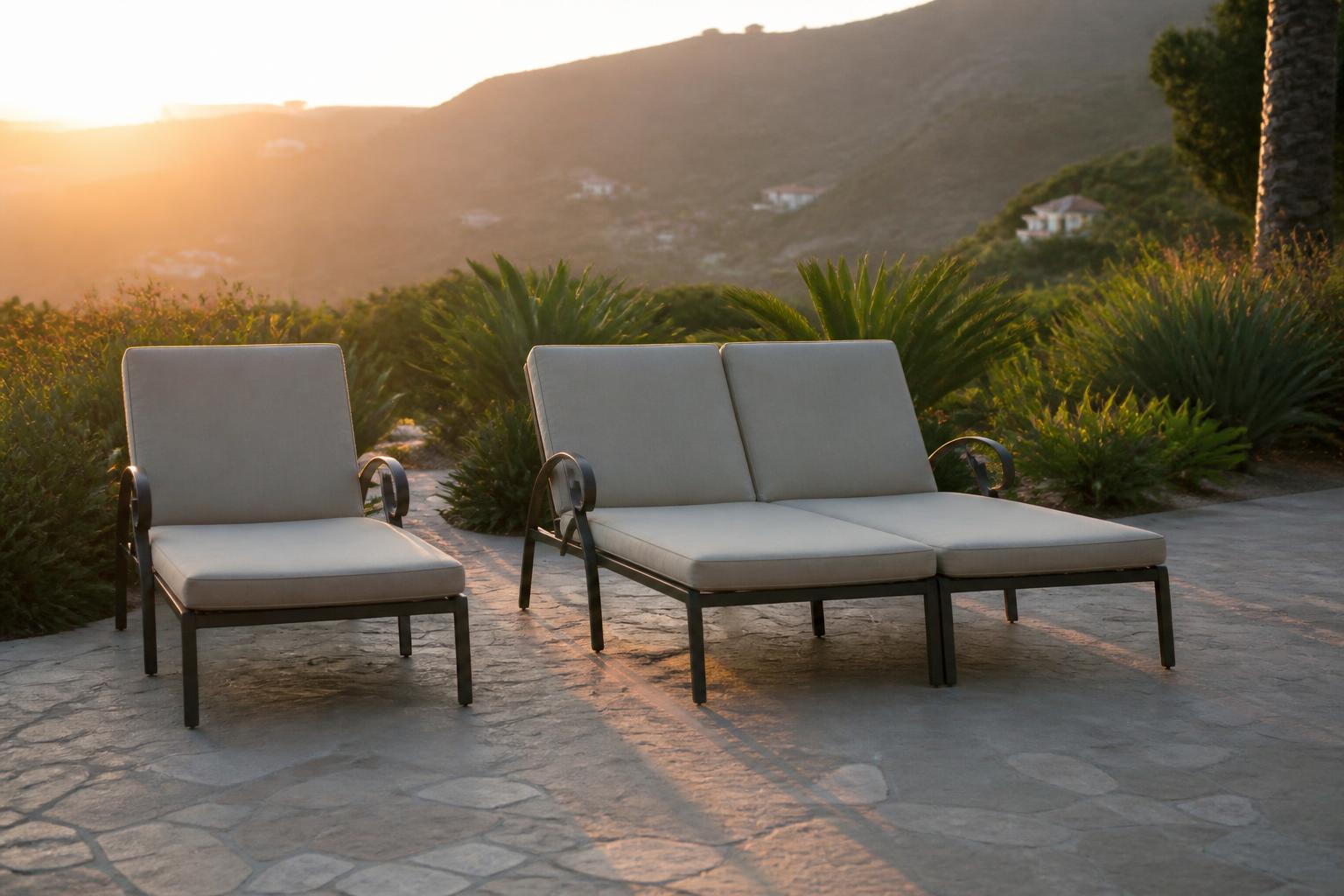
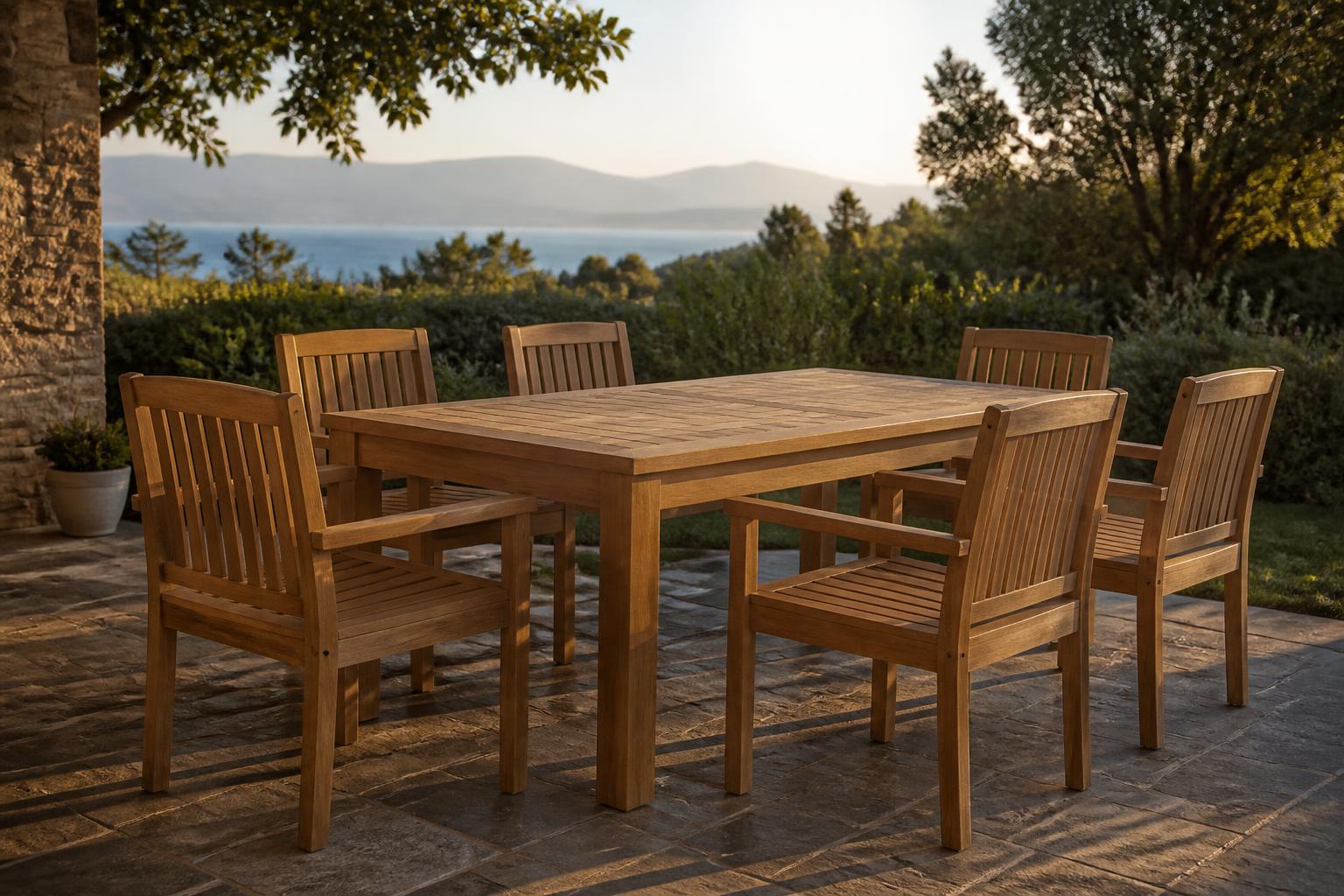
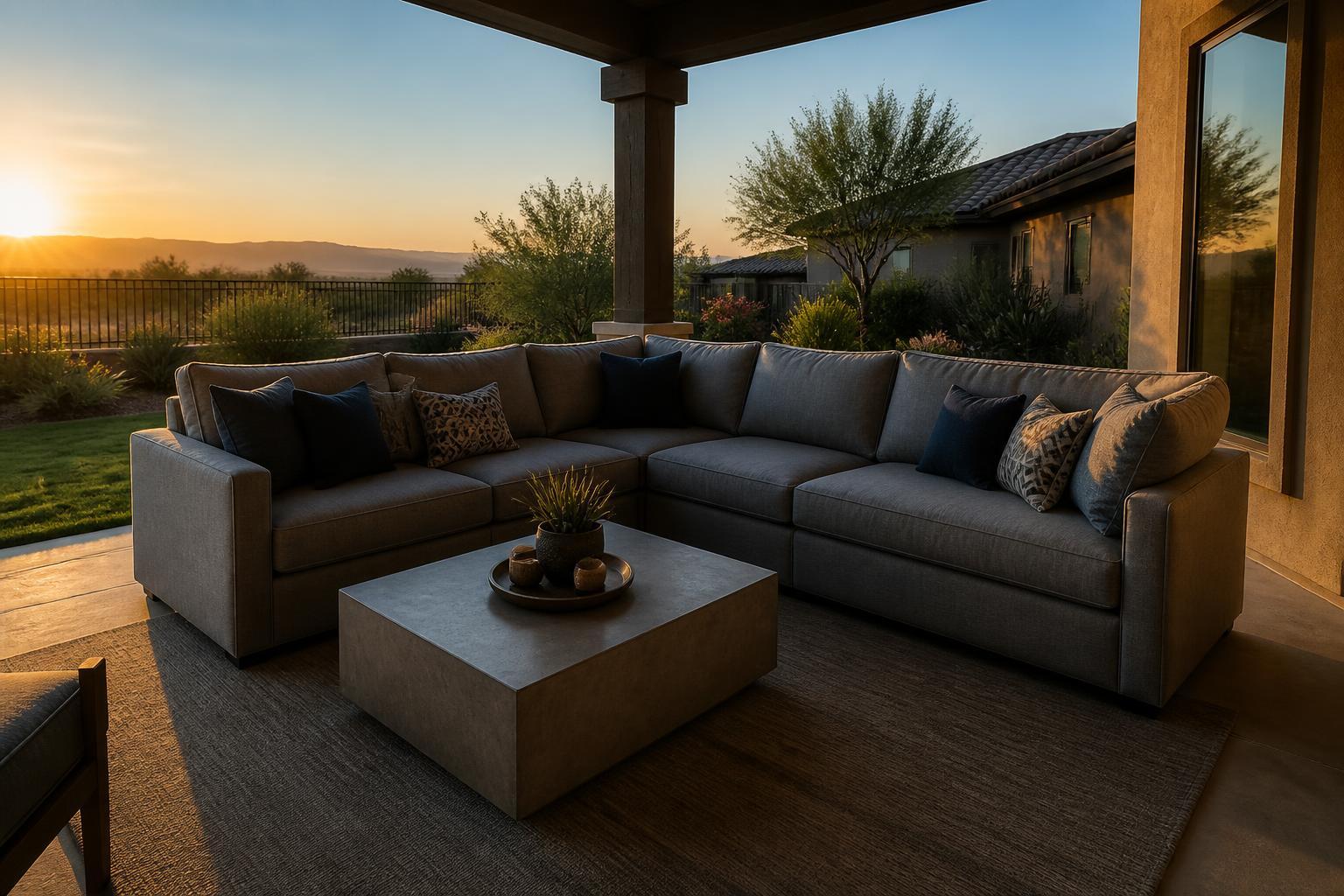

A patio umbrella pole diameter and table fit check can save you from buying three pieces that look compatible but do not work as one system. The umbrella pole must pass through the table opening, continue into the base stem, and leave enough clearance for the canopy and operating mechanism. A table hole that looks generous from above does not prove that the pole, protective ring, and base will align underneath.
Bring the exact measurements for the umbrella, table, and base when you shop. That simple step makes it easier to compare complete shade setups at a Charlotte showroom and avoids relying on a visual guess.

Measure the Patio Umbrella Pole Diameter and Table Opening
Start with the pole itself. Measure across the widest outside edge of the lower pole rather than measuring around it. If the lower section includes a collar, button, sleeve, or other raised feature that must pass through the table, measure that point too. Product specifications are better than an improvised measurement because they identify the size the manufacturer intended for the complete assembly.
Next, measure the clear inside width of the table opening. Do not count a removable plastic ring as extra space. That ring, often called a grommet, helps keep the metal pole from rubbing directly against the table edge. If the ring is missing or cracked, find the correct replacement instead of assuming the umbrella should sit against bare metal, stone, or another hard surface.
Clearance should allow the pole to pass through without force while limiting excessive side-to-side movement. A pole that has to be pushed through can scrape its finish, bind when you remove it, or place stress on the table opening. A much smaller pole may lean or rattle even when the base below is heavy enough. Follow the table and umbrella manufacturers’ fit instructions instead of trying to close a large gap with tape, cloth, or another temporary spacer.
Write down four details before comparing patio umbrella options: the lower-pole diameter, the table opening diameter, the tabletop height, and the distance from the tabletop to any cross brace below it. Photos taken from above and below the table make those numbers easier to understand in the showroom.
Why the Table Opening and Umbrella Base Must Both Fit
The table is only the middle support point. The pole still needs to enter a compatible base stem below the tabletop. That stem has its own inside diameter, height, tightening hardware, and intended application. If the table opening fits but the base stem does not, the umbrella is not ready to use.
Official product specifications show why there is no safe universal assumption. Frankford Umbrellas lists several classic umbrella components around a 1.5-inch pole or stem, while some giant models use a 2-inch system. Its current base and mounting specifications also distinguish between table-use stems and freestanding stems. Those examples do not set the size for every brand; they show why all components should be checked as a matched set.
Look under the table before choosing a base. Crossbars, center braces, and lower shelves can shift the base away from the table opening. A base may also be too tall to slide into position once the table is standing. Measure the available footprint on the patio, not just the gap under the tabletop. The base should rest flat on the surface and line up with the opening without pulling the pole sideways.
A dining table does not replace the base. The table helps guide the pole, but the manufacturer’s recommended base or mounting system provides the intended support. Canopy size, wind exposure, frame design, and whether the umbrella is used through a table or by itself can change the base recommendation. That is why pole diameter is a fit question, not a complete stability calculation.

Check Table Height, Crank Clearance, and Canopy Position
A pole can fit through the opening and still produce an awkward setup. Standard dining tables, counter-height tables, and bar-height tables place the canopy and operating hardware at different heights. Confirm that the lower pole length and overall umbrella height suit the table rather than assuming one lower section works everywhere.
Open and close the umbrella in the position where you plan to use it. A crank should remain reachable without striking the tabletop. A collar-tilt mechanism needs room to turn. Pulley ropes should not snag on a chair back, table edge, or decorative centerpiece. When the canopy closes, its ribs and folded fabric should clear the tabletop and nearby chairs instead of resting on them.
Also check the pole connection. Many two-piece market umbrellas join above or below the table. The connection should lock as the manufacturer directs, and the table opening should not press against a button or threaded joint. Avoid modifying the pole, drilling the table, or removing structural hardware to make mismatched pieces meet.
For a new dining setup, it is easier to compare the umbrella, table, and base together. Start with the dimensions of your outdoor dining furniture, then test shade coverage and chair movement as a complete arrangement. That approach catches conflicts that separate product measurements can miss.
Use a Showroom Fit Checklist Before You Buy
A short checklist keeps the decision focused. Bring your measurements, a photo of the table opening from both sides, and the model information for any component you plan to keep. If you are starting fresh, note the patio size, table shape, seating count, and whether the umbrella will stay through the table or move to a freestanding location.
- Confirm the lower-pole diameter from the product specification.
- Measure the clear table opening with its protective ring in place.
- Verify the base stem size and its table-use or freestanding application.
- Check the under-table footprint for braces, shelves, and chair feet.
- Test the crank, tilt, or pulley at the actual table height.
- Open and close the canopy to confirm rib and fabric clearance.
- Review the manufacturer’s base guidance for the exact canopy and frame.
Do not treat a close fit as proof that the system is correct. If a pole binds, leans, or cannot enter the recommended base stem, pause and compare another combination. The best patio umbrella pole diameter and table fit is one the manufacturer supports and that you can operate without forcing any component.
Frequently Asked Questions About Umbrella Pole and Table Fit
Are all patio umbrella poles the same diameter?
No. Pole sizes vary by manufacturer, model, canopy size, and whether the umbrella is a standard market style or a larger commercial-style unit. Check the exact specification for the lower pole and the matching base stem. A common size on one product line should not be treated as a universal standard.
Can I use an umbrella if the pole is smaller than the table hole?
A small amount of designed clearance may be normal, especially when the correct table ring is installed. A large gap can allow leaning and movement. Use the table ring, base, and any reducers approved for that exact system rather than making a homemade spacer.
Does a patio table hold the umbrella without a base?
The table guides the pole but does not replace the manufacturer-recommended base or mount. Select the base for the umbrella size, frame, application, and exposure, then verify that it fits beneath the table and aligns with the opening.
What should I bring to the showroom?
Bring the table-hole diameter, tabletop height, under-table clearance, photos, and model information for any umbrella or base you already own. If possible, bring the removable table ring or its measurements. Those details make a fit comparison much more reliable.
For help checking patio umbrella pole diameter and table fit, call Carolina Patio Furniture at (704) 274-3222 or use the contact page. The Charlotte team can help you compare the umbrella, table, and base as one outdoor-living system.