
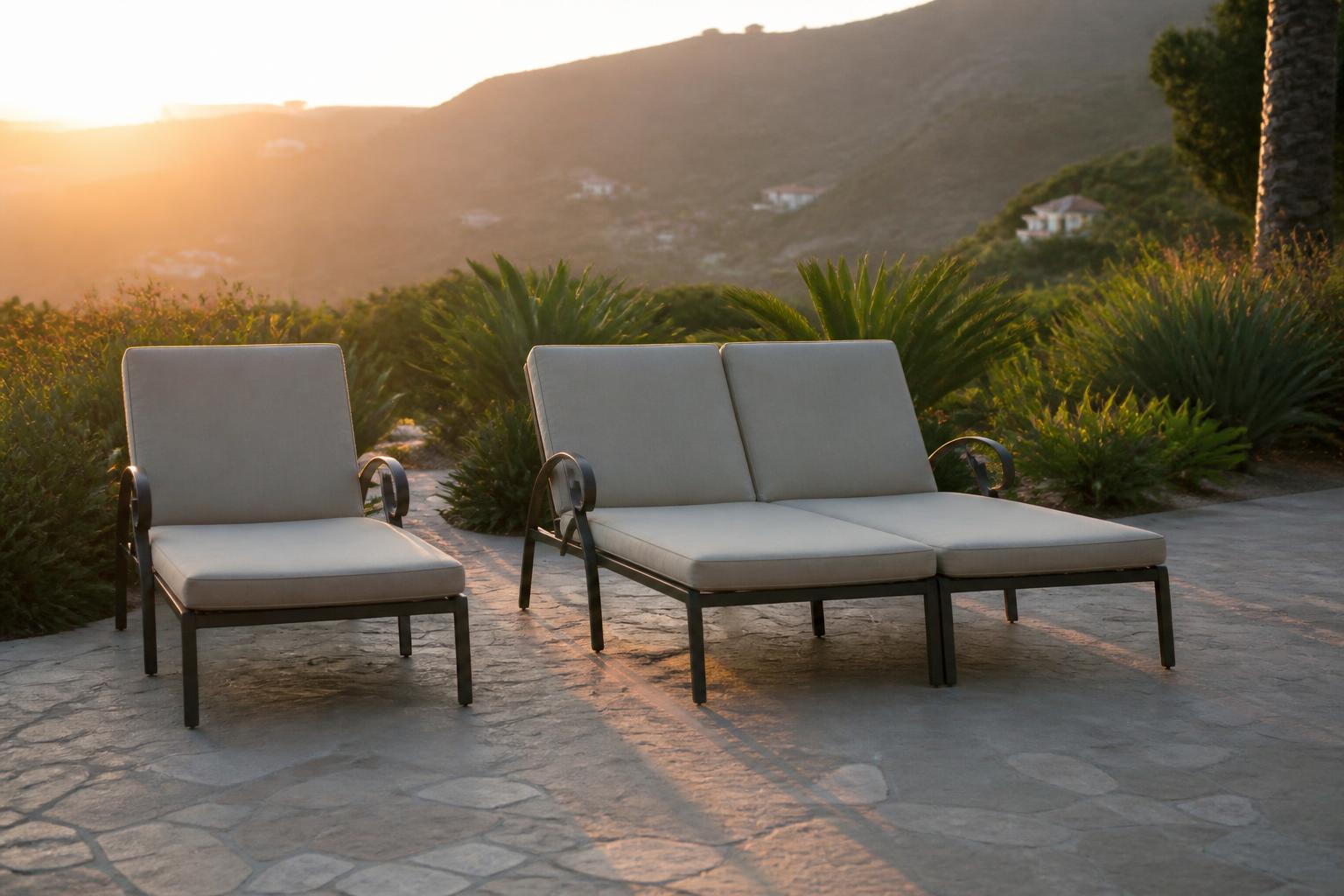
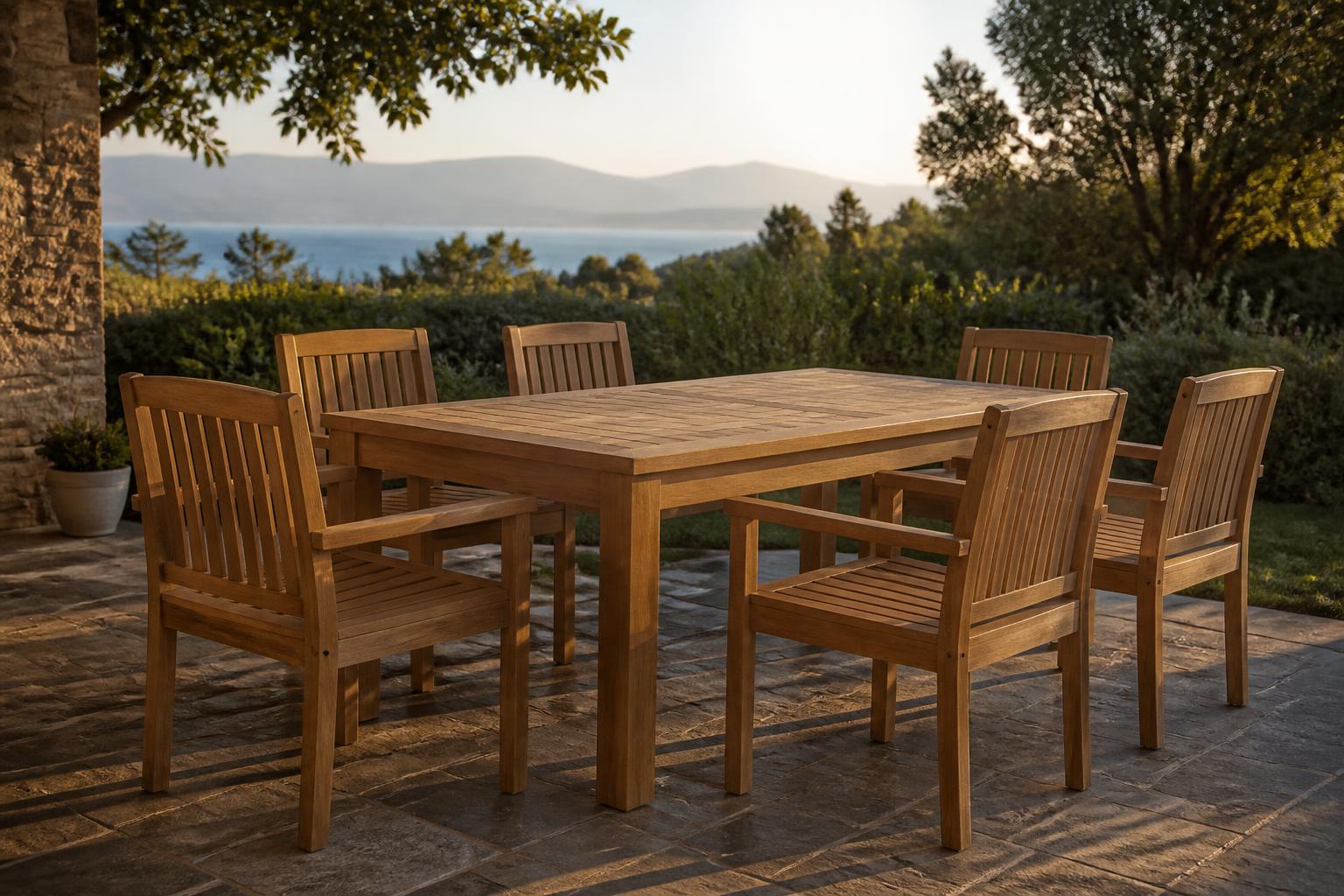
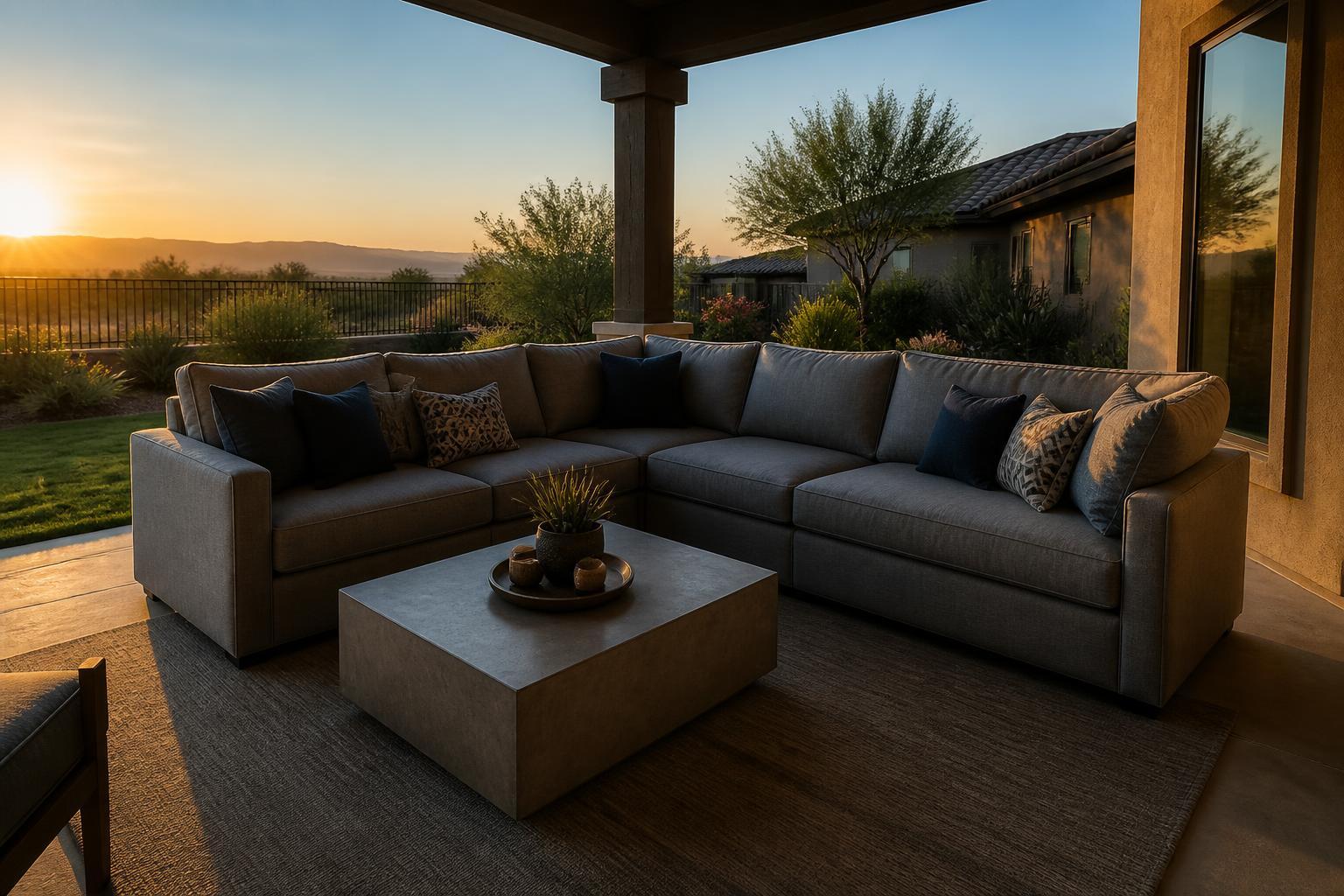

Comparing extruded aluminum patio furniture with cast aluminum is useful when two sets share a powder-coated finish but look and feel very different. Cast aluminum begins as molten metal shaped in a mold. Extruded aluminum begins as a heated billet pushed through a shaped opening, creating long profiles that manufacturers cut, bend, and join into a frame.
Neither label guarantees a better chair, table, or sofa by itself. The forming method influences the shapes a designer can create, while alloy, wall thickness, joints, finish preparation, hardware, and cushion support determine how the finished furniture performs. A careful showroom comparison should look at the complete piece rather than treating one production word as a quality grade.
Extruded Aluminum Patio Furniture vs Cast: How Each Takes Shape
Casting starts with molten aluminum poured or forced into a mold. The mold can reproduce curves, textures, latticework, decorative backs, and thicker-looking details as one shaped component. Manufacturers may cast a whole part or combine cast elements with other aluminum pieces in the finished frame.
Extrusion uses a different process. The Aluminum Association’s overview of aluminum processing explains that a billet is compressed through a die to form a continuous profile. Furniture makers can then cut those profiles to length and use fabrication steps such as bending, machining, and welding to create legs, rails, arms, and supports.
That distinction helps explain common visual clues. Cast components often support sculpted patterns and complex one-piece shapes. Extruded frames often use cleaner tubes or profiles with a consistent cross-section. Modern furniture can blur the line because a single collection may combine extruded rails with cast feet, arm details, or decorative panels.
When shopping aluminum outdoor furniture, ask how the exact piece is built rather than guessing from appearance. A smooth rectangular rail may be extruded, while a decorative chair back may be cast, but the manufacturer’s specifications provide the reliable answer.

Compare Frame Shape, Weight, and Everyday Handling
Cast aluminum furniture is often associated with traditional scrollwork, lattice tabletops, and substantial-looking frames. Extruded aluminum supports both streamlined contemporary designs and larger cushioned seating with straight rails. Those are design tendencies, not rules. Thickness, internal reinforcement, and the amount of material used can change the weight and feel of either type.
Lift a dining chair carefully in the showroom. Does it feel easy to move without seeming flimsy? Pull it away from the table and set it down again. A piece that is comfortable for one homeowner to reposition may be inconvenient for another. At the same time, a very light chair may not suit every exposed patio. Follow the manufacturer’s use and weather guidance for the exact model rather than assuming all aluminum behaves alike.
Look beneath the seat and tabletop. Check how rails meet, whether joints look consistent, and whether feet sit evenly on a flat floor. On a cushioned sofa, notice the span and support under the seat deck. On a dining table, check the base, leg attachment, and any extension hardware. These observations tell you more about the finished product than the forming method alone.
Style also affects maintenance. Decorative cast patterns can create more edges and recesses where pollen settles. Straight extruded rails may be quicker to wipe, although seams and joints still need attention. Choose the design you will realistically clean and inspect through Charlotte’s pollen-heavy spring and humid summer.
Think about touch points as well. Wide cast arms, narrow tubular arms, shaped chair backs, and exposed metal seat edges can feel different after they have been in the sun. Cushions may cover some frame surfaces but not others. Sit in the piece long enough to notice where your hands, shoulders, and legs meet the frame, then ask how the finish and fabric should be cleaned in those high-contact areas.
Collection flexibility can matter more than the first chair you test. Confirm whether the line includes the table sizes, end tables, ottomans, or deep-seating pieces your patio may need later. A coordinated collection makes future additions easier, while a mixed arrangement can still work when frame colors, proportions, and cushion tones are planned together.

Finish, Joints, Hardware, and Drainage Matter More
Aluminum naturally avoids the red rust associated with iron and ordinary steel, but outdoor furniture still needs a well-prepared, durable finish. Scratches, chips, harsh cleaners, trapped debris, and incompatible hardware can affect appearance and care needs. Ask about the finish system and follow the manufacturer’s cleaning instructions.
Inspect welds and connection points without expecting them to disappear completely. They should look consistent with the design and should not show obvious cracks or rough, unfinished edges. The related guide to aluminum chair welds and bolted joints explains that narrower construction detail. If the frame uses bolts or screws, ask what hardware is specified and how the manufacturer recommends checking it. Do not substitute random hardware, because size, material, and fit all matter.
Drainage is equally practical. Turn removable cushions over and look at how the seat platform allows water and air to move. Check hollow-frame openings, end caps, and glides for their intended orientation. A drainage opening should not be blocked by debris or an improvised cover. After a storm, let cushions and frames dry according to the care guide instead of leaving wet textiles compressed against the furniture.
Ask about replaceable wear parts before you need them. Glides, caps, cushion covers, and hardware can be specific to a collection. Keep the product name and care documents with your purchase records so you can identify the correct component later. That habit is useful for both cast and extruded aluminum furniture and prevents a generic part from creating a poor fit.
For more ornate options, compare the actual cast aluminum furniture collection with cleaner-lined aluminum frames. Sit in both. The right choice may come down to seat geometry, table proportions, cushion feel, or finish color rather than casting versus extrusion.
Use a Showroom Test Instead of a Material Shortcut
A label is a starting point, not a verdict. Compare pieces that serve the same purpose and price range. A dining chair should be judged beside another dining chair, not against a deep-seating sofa with a different frame scale and cushion system.
- Sit for several minutes. Check seat height, depth, back angle, arm position, and pressure behind the knees.
- Move the piece as you would at home. Pull out the chair, reposition an end table, or separate sectional units.
- Inspect the underside. Look at joints, support rails, glides, caps, and finish coverage.
- Ask for dimensions and care instructions. Confirm the exact collection instead of relying on a general material description.
- Compare finish samples in natural light. Dark and light powder-coat colors can read differently outside than under showroom lighting.
- Consider the full arrangement. Table height, cushion thickness, walkway clearance, and umbrella placement can matter more than the frame process.
Bring patio measurements and photos so the comparison stays connected to your space. A heavy-looking cast dining set may still fit a compact terrace, while a visually light extruded sectional may require more floor area than expected. Tape out the footprint at home before ordering.
Frequently Asked Questions About Cast and Extruded Aluminum
Is cast aluminum always heavier than extruded aluminum furniture?
Not always. Cast pieces can feel substantial, while hollow extruded profiles can reduce weight, but the final result depends on design, dimensions, wall thickness, reinforcements, and the amount of material. Compare the actual pieces rather than relying on a blanket rule.
Which type is better for a modern patio?
Extruded frames often support clean lines, but cast aluminum can also appear simple and modern. Choose by proportion, comfort, finish, and how the collection works with the rest of the patio. Production method does not dictate one style.
Can one patio furniture frame use both cast and extruded aluminum?
Yes. A manufacturer may use extruded rails or legs with cast accents, feet, arms, or back panels. Ask for the construction details of the exact model if the mix matters to your decision.
What should I inspect before buying aluminum patio furniture?
Check comfort, frame stability, joints, finish consistency, hardware, glides, drainage, cushion support, dimensions, and care instructions. Those details reveal how the complete piece is designed and maintained.
To compare extruded aluminum patio furniture with cast designs in person, call Carolina Patio Furniture at (704) 274-3222 or plan a visit through the contact page. Bring your measurements and photos so the Charlotte team can help you evaluate complete seating and dining setups.