
A bar height patio set guide comes in handy the moment you start measuring your patio and realize “counter height” and “bar height” aren’t interchangeable terms. The difference between a 36-inch counter-height table and a 42-inch bar-height table affects stool clearance, sightlines over a railing, and even how the set feels when you’re seated for a two-hour dinner versus a quick round of drinks. This guide walks through the proportions, seating math, and practical trade-offs so you can choose the height that actually fits your space and how you use it.
Counter Height vs. Bar Height: The Basic Proportions
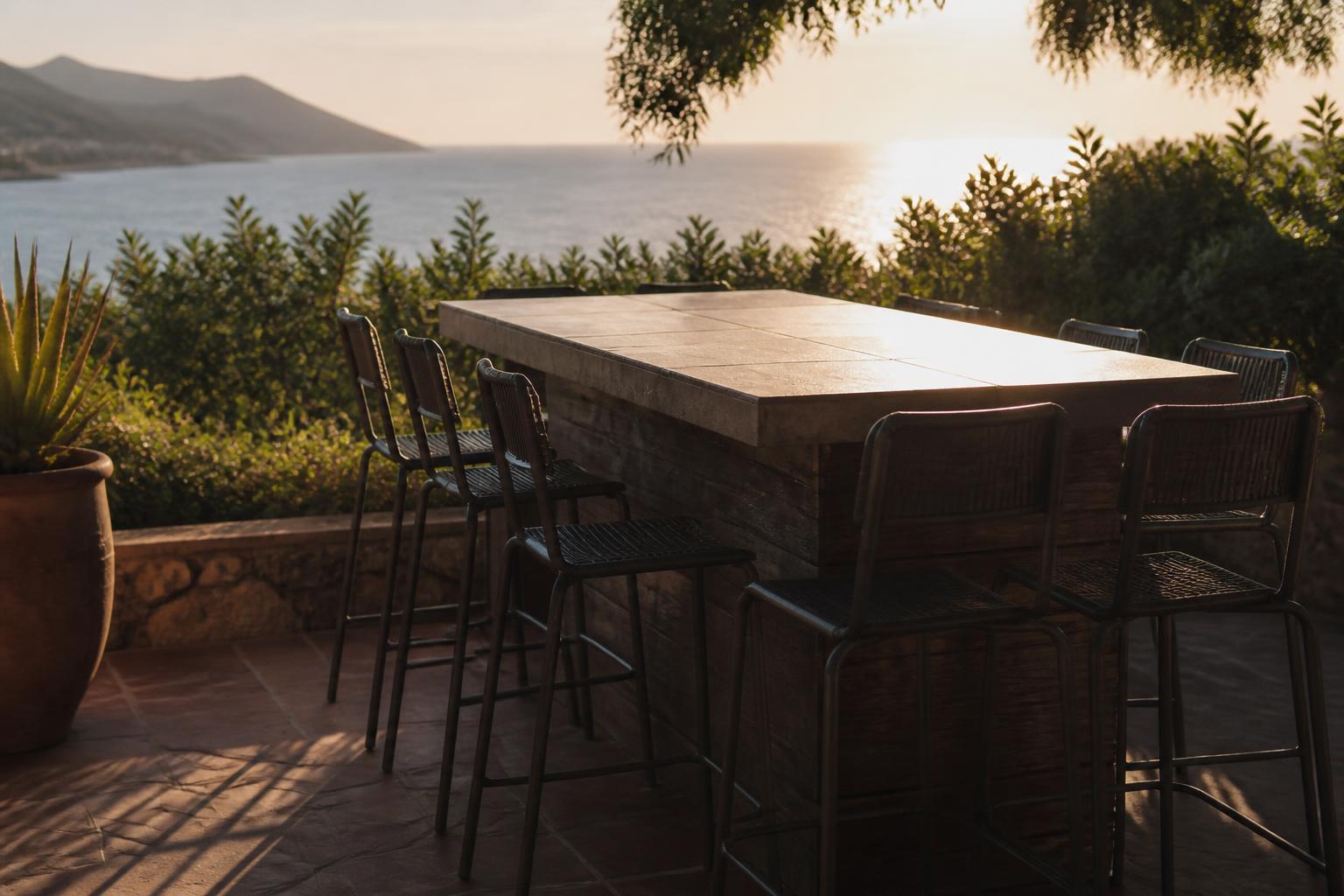
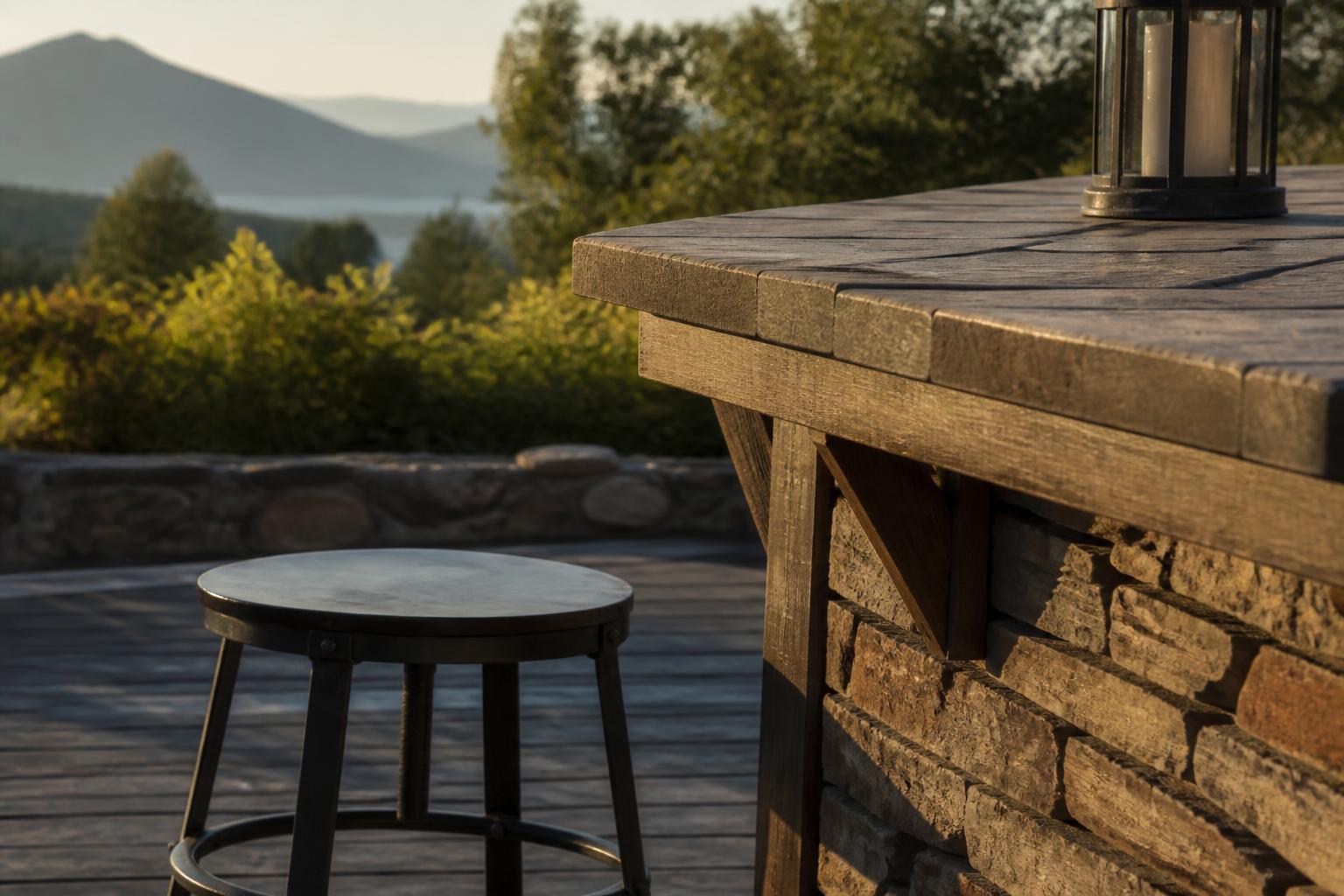
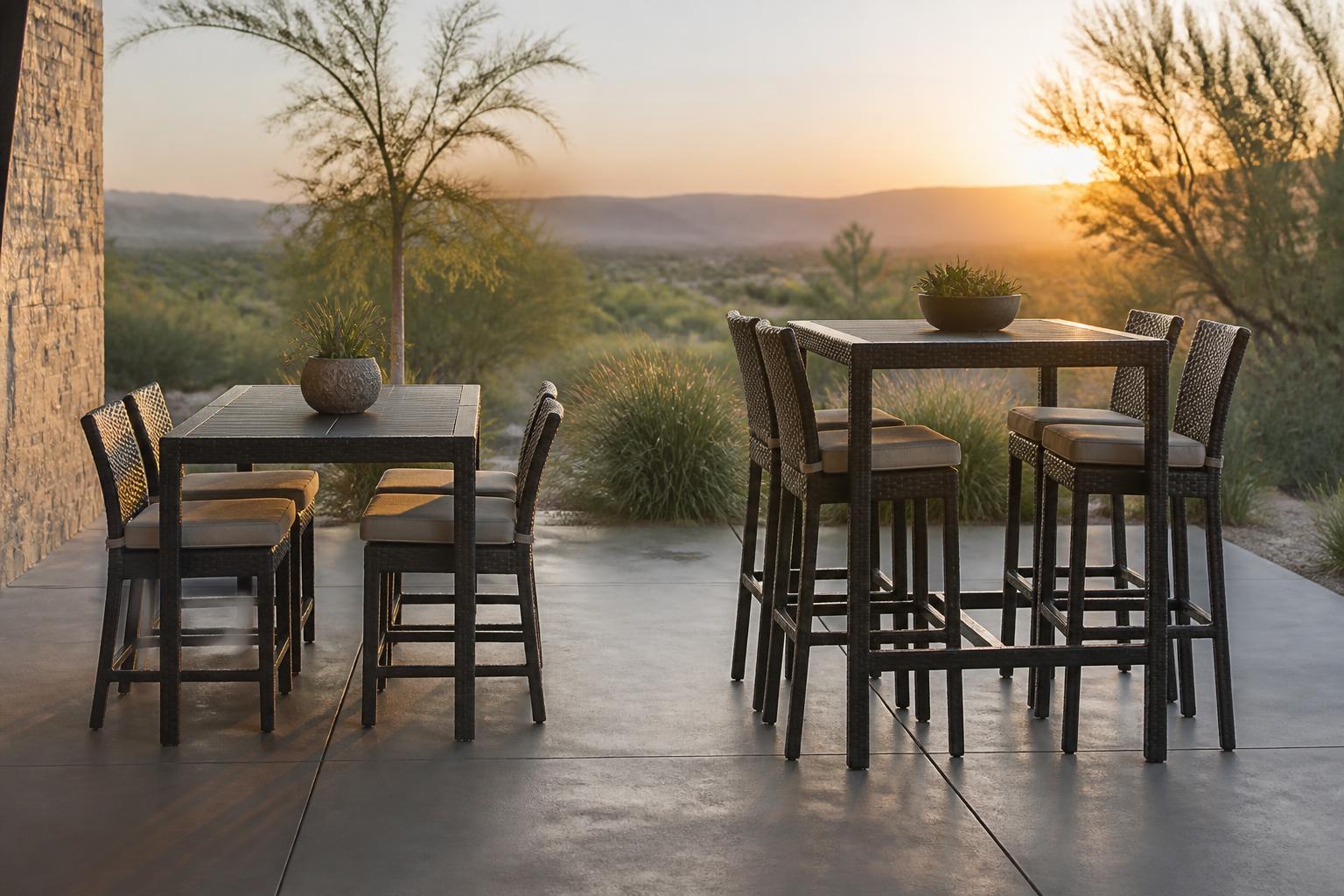
Counter-height patio tables typically stand 34 to 36 inches tall, matching the height of an indoor kitchen counter. Bar-height tables run 40 to 42 inches, matching a home bar or pub table. That 6-inch difference sounds small on paper, but it changes the entire feel of the set. Counter-height stools usually have a seat height of 24 to 26 inches, while bar-height stools sit at 28 to 30 inches. The rule of thumb for comfortable clearance is 12 inches of space between the seat and the underside of the tabletop — enough room for your legs and knees without banging into the apron every time you shift position.
Counter-height sets tend to feel more like a traditional dining table, just elevated, which makes them a natural fit for families who want a patio table that doubles as a workspace for laptops, board games, or homework. Bar-height sets lean more social and casual — they’re the choice for entertaining, watching a game, or standing conversation where guests drift in and out rather than sitting for a full meal. Neither height is objectively better; the right pick depends on how long people typically linger at your table and what’s around it.
Matching Table Height to Your Outdoor Layout
Before you settle on a height, look at where the set will actually live. If you’re placing it against a raised deck railing, bar height is often the better call — most deck rails run 36 to 42 inches, and a bar-height table lets you see over the top while standing or perched on a stool. Counter-height tables next to a railing can feel boxed in, since the tabletop sits right at eye level with the rail cap.
If the set is going under a covered porch or pergola, measure your overhead clearance. A bar-height table plus a stool adds roughly 6 to 7 feet of vertical space needed for someone to stand and pull out a stool comfortably. Porches with ceiling fans or low beams — common in older Charlotte-area homes — sometimes can’t accommodate that without feeling cramped, and counter height gives you a few extra inches of breathing room.
Also think about traffic flow. Bar-height stools without arms need about 24 inches of width per person and roughly 6 inches of pull-out space behind the stool for someone to walk past comfortably. Counter-height arrangements are a little more forgiving since the lower seat height means less of a footprint when stools are pushed in. If your patio is narrow — say, under 10 feet deep — a counter-height set with armless stools will leave more room to move.
Stool Selection and Comfortable Clearance
Seat Height and Legroom
Getting the stool-to-table pairing right comes down to matching seat height to tabletop height with that 10 to 12-inch clearance in mind. A 36-inch counter-height table pairs with a 24 to 26-inch stool. A 42-inch bar-height table pairs with a 28 to 30-inch stool. Mixing heights across the gap — say, a 24-inch stool with a 42-inch table — leaves an uncomfortable reach where your arms sit too low relative to the tabletop.
Frame Materials and Weight
Most bar and counter-height patio sets use powder-coated aluminum or cast aluminum frames, both of which resist rust and hold up to Charlotte’s humid summers without the maintenance teak requires. Aluminum bar stools typically weigh 12 to 18 pounds each, light enough to move for cleaning but heavy enough not to tip in a stiff breeze. All-weather resin wicker stools add visual texture and tend to run slightly heavier, in the 20 to 25-pound range, which can be an advantage on open, wind-exposed patios.
Swivel and Back Support
If your set will see regular use for entertaining, look for stools with a swivel base and a back rest at least 12 inches tall. Backless stools save visual space and stack more easily for winter storage, but a back rest matters if people will be seated for more than 20 or 30 minutes at a stretch. You can browse a full range of heights and stool styles in our outdoor bar and dining collection to compare frame and cushion options side by side.
Cushions, Fabric, and Weather Durability
Bar and counter-height stools often come with tie-on or clip-on cushions rather than deep seating pads, so fabric choice matters more than cushion thickness. Sunbrella and other solution-dyed acrylic fabrics resist fading and mildew far better than standard polyester upholstery, which is worth the difference in a climate that swings from 90-degree, high-humidity summers to winter freezes. According to Sunbrella’s own care guidance, solution-dyed fabrics resist color loss because the pigment runs through the entire fiber rather than sitting on the surface, which is why they hold up under years of UV exposure better than printed or piece-dyed fabrics.
For frames, cast aluminum tables and stools cost more upfront than tubular aluminum but resist wobble better over time, since the heavier casting doesn’t flex under repeated use the way a lighter tube frame can. If you’re set on a natural wood look, teak bar-height stools are an option, but they need an oil treatment every 6 to 12 months to maintain color, or you can let them weather to a gray patina and skip maintenance altogether. HDPE and marine-grade polymer stools split the difference — they mimic painted wood, need no sealing, and can be hosed off in minutes after pollen season coats your patio each spring.
Whatever fabric or frame you choose, plan on wiping down cushions every 2 to 4 weeks during peak season and storing or covering fabric pieces before a hard freeze, since repeated freeze-thaw cycles can crack foam padding faster than sun exposure alone.
Sizing the Table for Your Group
Round bar-height tables in the 30 to 36-inch diameter range comfortably seat 2 to 4 people, giving each guest roughly 24 inches of table edge — the same spacing standard used for indoor dining and commonly referenced in outdoor dining layout guidance. Rectangular bar tables in the 48 to 60-inch length range seat 4 to 6, and square tables around 36 by 36 inches work well for 4 when space is tight. If you regularly host more than 6 people, consider two smaller bar-height tables instead of one oversized table, since it’s easier to fit smaller tables into an irregular patio footprint and easier to move them for cleaning or storage.
Frequently Asked Questions
Can I mix counter-height and bar-height furniture on the same patio?
Yes, many patios use bar height near a rail or outdoor kitchen and counter height in a separate dining zone. Just keep each grouping consistent within itself — matching every stool at a given table to the same seat height — so clearance and comfort stay predictable for anyone sitting down.
Which height is better for an outdoor kitchen or grilling station?
Bar height is the more common choice near outdoor kitchens because most built-in grill islands and prep counters are built to a 36 to 42-inch counter height, and a matching bar-height table lets guests sit and chat at the same working height as whoever is cooking.
How much floor space do I need for a 4-person bar-height set?
Plan on roughly 8 by 8 feet of open patio space for a 36-inch round bar table with 4 stools, accounting for pull-out clearance and a walking path around the perimeter. Rectangular sets for 6 typically need closer to 10 by 8 feet.
Do bar-height sets need to be covered or stored in winter?
Aluminum and HDPE frames can generally stay outside year-round, but cushions and fabric seats should be stored indoors or under a waterproof cover before freezing weather to prevent cracked foam and mildew. A breathable cover during ice storms also helps protect swivel mechanisms from moisture buildup.
If you’re weighing counter height against bar height for your own patio, the team at Carolina Patio Furniture can walk you through stool clearance, table proportions, and fabric options in person. Stop by our Charlotte showroom, browse the current collection of outdoor tables and stools, or call (704) 274-3222 to talk through what will actually fit your space before you buy.