


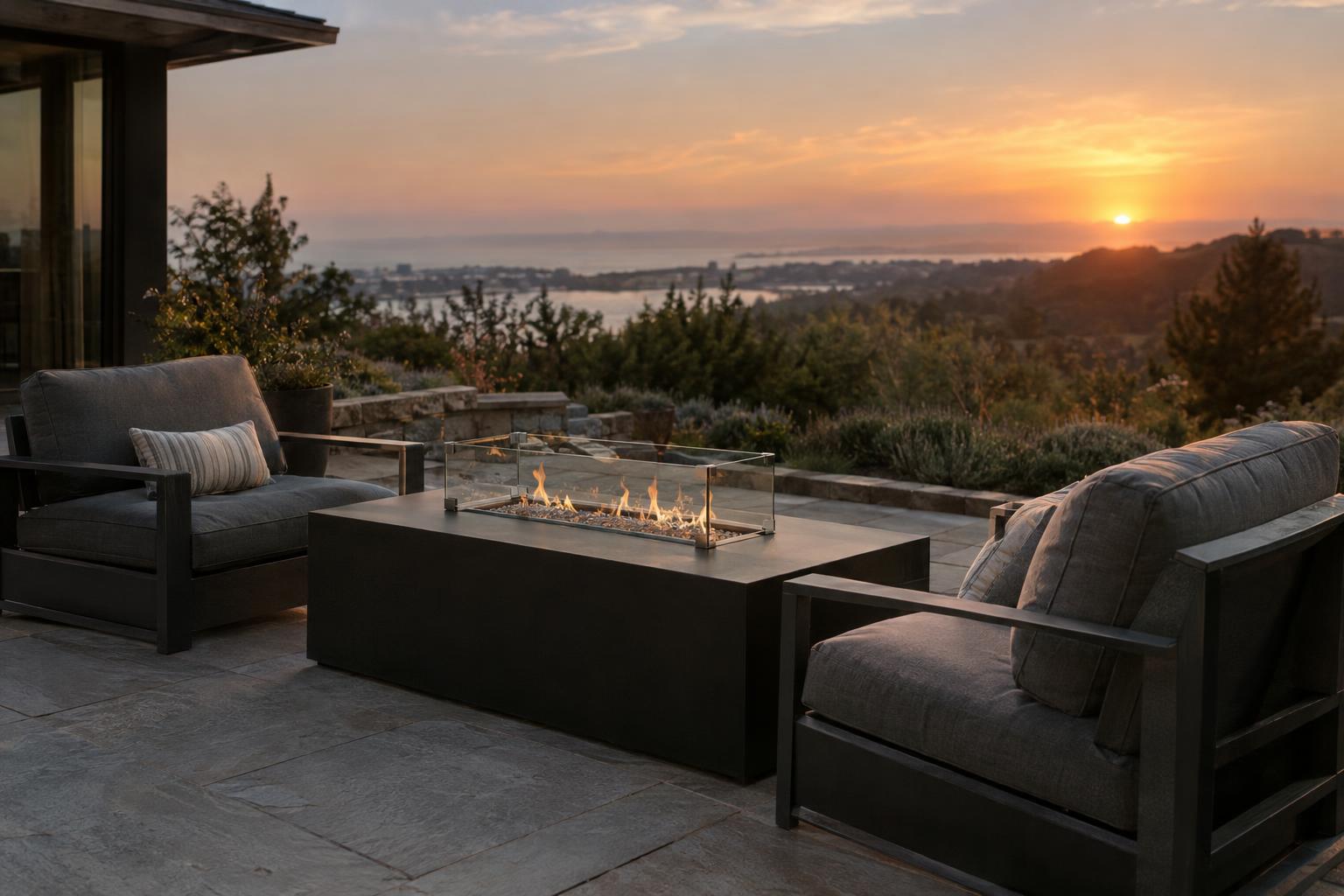
Outdoor throw pillows do more than add color to a sofa or sectional, they change how a seating area feels and how comfortable it is to actually sit in. Picking the wrong size or fabric is an easy mistake, though, since a pillow that looks right in a catalog photo can swallow a seat cushion or hold moisture long after a summer storm passes. This guide walks through the common square and lumbar sizes, the fill and cover materials that hold up outdoors, and how many pillows a typical sofa, sectional or chair actually needs without looking cluttered.
Common Square and Lumbar Sizes for Outdoor Throw Pillows
Most outdoor throw pillows come in a handful of standard sizes, and knowing them makes it much easier to shop with confidence. Square pillows typically run 18 by 18 inches, 20 by 20 inches, or 22 by 22 inches, with the smaller size working well as a front accent and the larger size serving as a primary back pillow on a deep sectional. Lumbar pillows, the rectangular ones that support your lower back, usually measure 12 by 20 inches or 14 by 24 inches, and they pair naturally with a square pillow in front for layered depth.
Scale matters more than most people expect. A 22-inch square pillow can look oversized on a chair with an 18-inch-wide seat cushion, while an 18-inch pillow can get lost on a sectional with 26-inch-deep seats. A useful rule of thumb is to choose a pillow noticeably narrower than the seat cushion, so it fills the space without crowding the person sitting there. If you’re working with cushions fitted to a specific sofa or sectional frame, measure the finished cushion width first, then size your pillows against that number rather than guessing from a photo online.
Depth is another detail worth checking before you order. Outdoor pillow inserts generally run 4 to 6 inches thick, which is noticeably fluffier than many indoor decorative pillows. That extra loft helps the pillow hold its shape outside, where humidity and sun exposure can flatten a thin insert faster than it would indoors.
Fill and Fabric: What Actually Dries Fast in Carolina Humidity
The inside of an outdoor throw pillow matters as much as the outside. Inserts made from reticulated (open-cell) foam or quick-drying polyester fiberfill are designed to drain water rather than soak it up, so after a rain shower the pillow can air dry in a matter of hours instead of staying damp for days. Avoid down and standard indoor-grade fill, since both hold moisture and can develop a musty smell quickly in a humid climate.
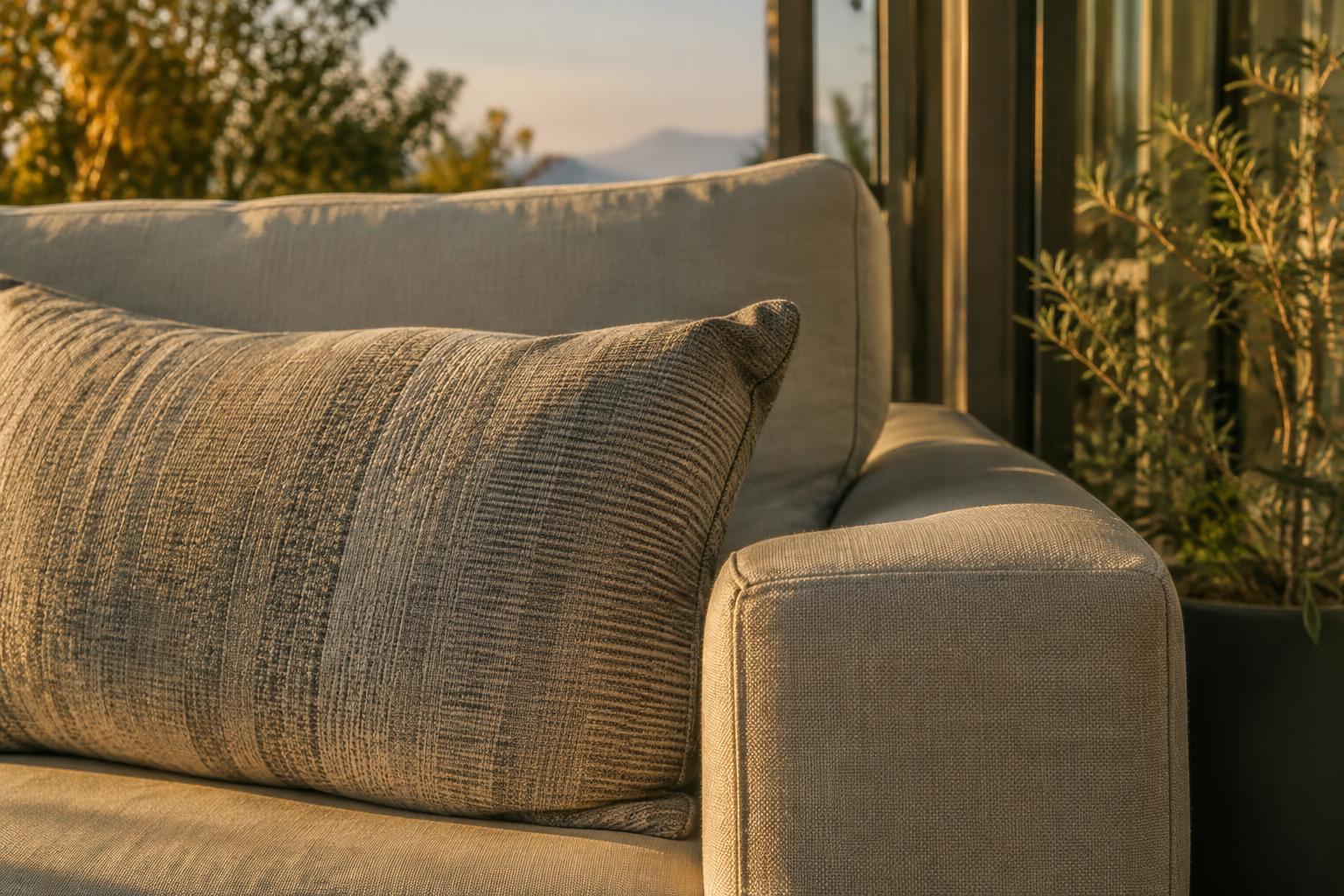
The cover fabric is just as important as the fill. Performance fabrics woven from solution-dyed acrylic or polyester resist fading from UV exposure and typically repel water rather than absorbing it, which keeps the pillow lighter and faster to dry. These covers also tend to resist mildew better than printed cotton or linen-look fabrics, which can discolor or develop spots after repeated wet-dry cycles. For a deeper look at how these fabrics compare and which hold their color longest outdoors, the guide to fade-resistant outdoor fabrics breaks down the differences by fiber type and weave.
General background on choosing fabrics that resist moisture and mildew in humid conditions is available from NC State Extension, which is a useful reference if you want to understand the science behind why some materials perform better outdoors than others.
How Many Throw Pillows Your Sofa, Sectional or Chair Actually Needs
Sofas and Loveseats
A standard outdoor sofa with two or three seats usually looks balanced with three to five throw pillows total, often one square pillow per seat plus a lumbar pillow or two layered in front. Overloading a sofa with six or more pillows can make it harder to actually sit down comfortably, which defeats the purpose of outdoor furniture built for everyday use.
Sectionals
Sectionals have more surface area to work with, so plan on one pillow per seat cushion as a baseline, then add a lumbar pillow at each corner or transition point where the sections meet. A sectional with six individual seat cushions might carry anywhere from six to nine pillows total once lumbar accents are included, though fewer pillows placed deliberately often look more intentional than packing every available inch.
Individual Chairs and Chaises
A single lounge chair or chaise typically needs just one or two pillows, usually a square pillow behind the back and sometimes a smaller lumbar pillow for added support. Chaises benefit from a slightly firmer insert since the pillow often supports the head or neck rather than just adding visual interest.

Why Accent Pillows Fade and Wear Faster Than Seat Cushions
If you’ve noticed that a throw pillow looks faded or worn before the seat cushions beneath it show any wear at all, there’s a practical reason. Throw pillows get handled constantly, moved to make room for guests, propped against an arm, tossed onto a side table during a storm, and all that handling exposes every side of the fabric to sun rather than just the top-facing surface a seat cushion gets. Pillows also tend to sit at an angle that catches direct sunlight differently than a flat seat cushion, which can accelerate fading on the most exposed corner.
Moisture is the other factor. Because throw pillows are smaller and often get set down on a damp table, propped in a corner with less airflow, or left in a spot that doesn’t drain as well as a cushion with a proper slatted frame beneath it, they can stay damp longer. A pillow that sits in a shaded, poorly ventilated corner of a porch is a common candidate for mildew, since trapped moisture combined with warmth gives mold spores exactly the environment they need to take hold.
The fix isn’t complicated: choose covers in performance fabric, keep pillows propped upright rather than flat when they’re wet, and bring them inside or under cover during extended rain rather than letting them sit out through multiple storms in a row.
Caring for Outdoor Throw Pillows Through the Seasons
Routine care keeps outdoor throw pillows looking sharp for far longer than neglect ever will. Wipe covers down periodically with mild soap and lukewarm water, using a soft brush to work the solution into the fabric before rinsing thoroughly and letting the pillow air dry completely in the sun or a well-ventilated spot. Always test any cleaning solution on a hidden spot first and follow the care tag from the fabric manufacturer, since recommended cleaning steps can vary by fabric type.
During periods of heavy rain or an approaching freeze, move pillows indoors or into a covered storage area rather than leaving them exposed. Covers that stay wet through repeated storms are far more likely to develop mildew than covers given a chance to dry between rain events. When pillows do go into storage for winter, make sure they’re fully dry before being bagged or boxed, since sealing in even a little dampness can cause problems by the time you bring them back out in spring.
Frequently Asked Questions
What size throw pillow works best on a deep sectional seat?
For a sectional with seat cushions deeper than 24 inches, a 20 by 20 inch or 22 by 22 inch square pillow typically looks proportionate without overwhelming the seating space. Pair it with a 14 by 24 inch lumbar pillow in front for layered support, and measure your actual cushion width before ordering so the scale feels right once everything is in place.
Can I use indoor throw pillows outside if I just bring them in at night?
It’s possible for short periods, but indoor fill materials like down or standard fiberfill absorb humidity from the air even without direct rain exposure, which can lead to a musty smell over time. Pillows built specifically with quick-drying inserts and performance fabric covers are a more practical choice for anything left outside regularly.
How often should I replace outdoor throw pillow inserts?
There’s no fixed schedule since wear depends on sun exposure, humidity and how often the pillows are handled, but a good sign it’s time for new inserts is noticeable flattening, a persistent musty smell even after airing out, or visible mildew spots on the fabric that cleaning doesn’t resolve. Covers often outlast inserts, so replacing just the insert is usually enough.
Do darker colored throw pillow covers fade less than lighter colors?
Not necessarily. Fade resistance has more to do with how the fabric is constructed, whether the color is woven through the fiber or printed on the surface, than with how dark or light the shade is. A solution-dyed fabric in a bright color often holds up better over time than a printed fabric in a darker, more muted tone.
Questions about sizing or fabrics for your own seating? Call Carolina Patio Furniture at (704) 274-3222 or visit our Charlotte showroom.