


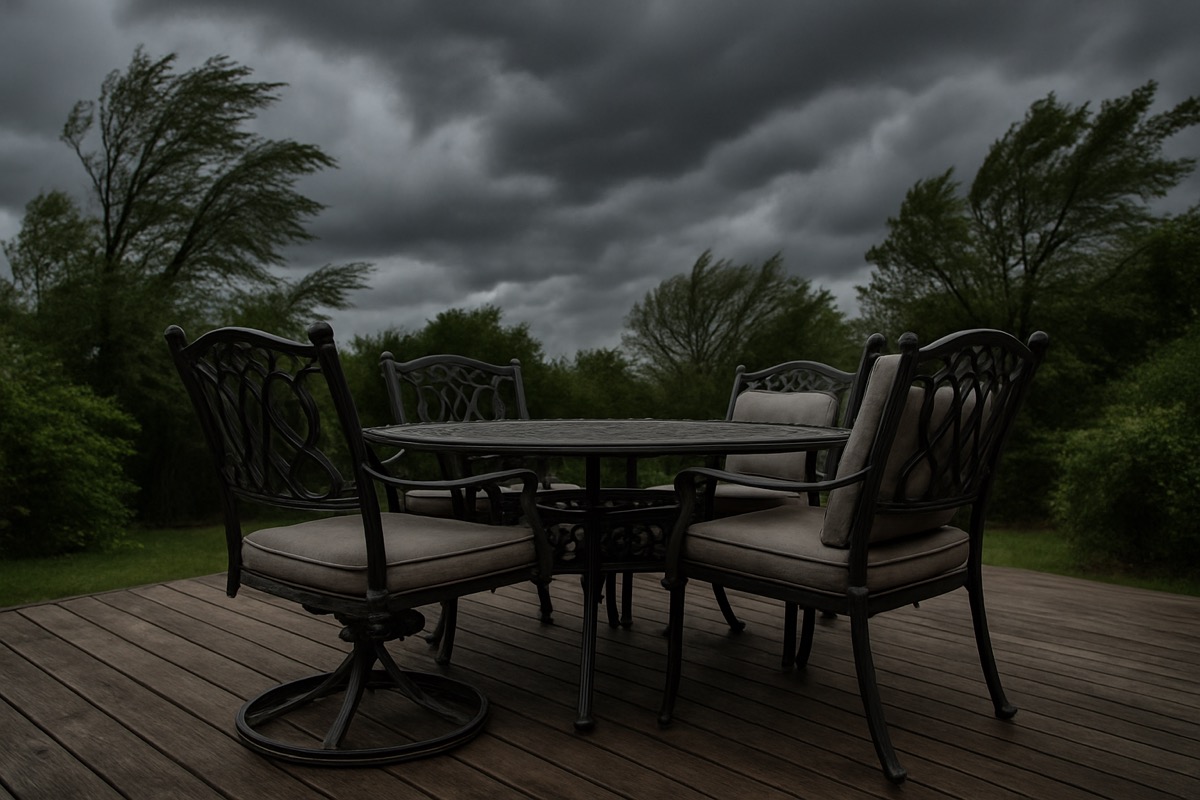
Summer storms roll across the Charlotte area fast. One minute the patio is calm and the next a gust off a passing thunderstorm sends an empty chair tumbling into the grass. We see it every season at our showroom, and customers from Lake Norman to South Charlotte ask us the same thing: how do we keep our outdoor furniture from blowing over when the weather turns? After years of helping Carolina homeowners outfit their patios, we have a clear answer. It comes down to weight, smart placement, and a few habits worth building before storm season peaks.
Why Carolina storms move patio furniture so easily
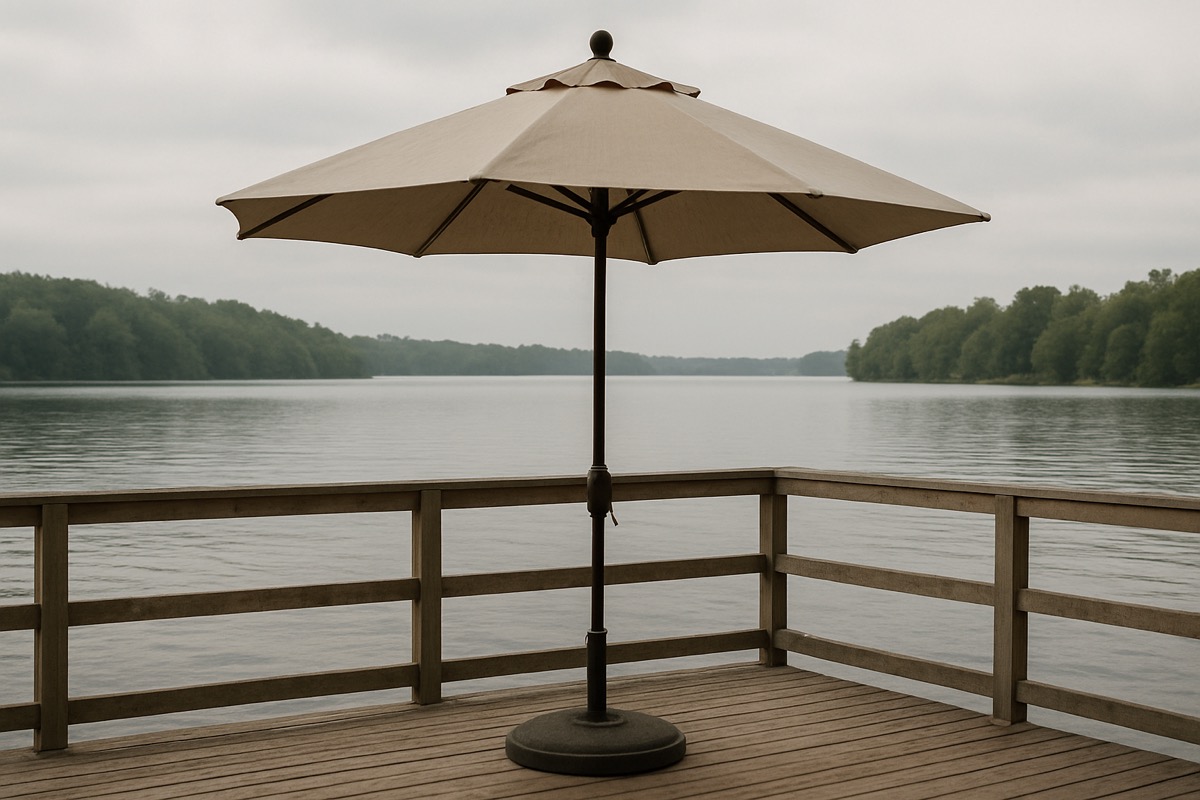
Piedmont summers bring pop-up thunderstorms that can throw 40 to 60 mile-per-hour wind gusts with very little warning. Lighter aluminum chairs, woven resin pieces, and umbrellas all act like sails when those gusts hit. A folded umbrella left open can lift an entire table. Lake Norman properties and open backyards in places like Mooresville and Huntersville catch even more wind because there is less tree cover to slow it down. Decks raised off the ground and second-story balconies feel the gusts even more, since wind speed climbs the higher and more exposed a surface is. Understanding that your furniture is fighting moving air, not just sitting weight, helps you make better choices about what to buy and how to anchor it. Once you start thinking about lift and drag instead of just heaviness, the right fixes become obvious.
Choose heavier frames for exposed patios
The single most effective defense is mass. Cast aluminum, wrought iron, and poly lumber pieces are dramatically harder to move than lightweight stamped aluminum or hollow resin. When we help a customer with an exposed backyard or a lakefront deck, we steer them toward heavier dining sets and deep-seating frames that simply stay put. A cast aluminum chair can weigh three to four times what a budget patio chair weighs, and that difference is what keeps it grounded when a squall blows through. If you already own lighter pieces, you do not have to replace everything, but knowing which items are most at risk tells you which ones to secure first.
Anchor umbrellas and tables first
Umbrellas are the most common casualty we hear about, and they are also the most dangerous because an airborne umbrella can break a window or injure someone. Always close and secure your umbrella when you leave the patio, even for a quick errand. A proper umbrella base should weigh at least 50 pounds for a standalone table umbrella, and larger cantilever models need 75 pounds or more. Tables benefit from anchoring too. Glass-top tables are especially vulnerable because the top can lift and shatter, so we recommend solid tops or tying tables down on exposed decks.
Use furniture clips, straps, and anchors
For decks and patios that take regular wind, hardware makes a real difference. Furniture clips connect chairs to tables so a whole grouping moves as one heavier unit. Bungee straps and ratchet straps can secure a set to a railing or a fixed anchor point before a storm. On wood decks, eye bolts and screw anchors give you a permanent tie-down point you can clip to in minutes. We keep a range of these accessories in mind when we talk through a customer’s space, because the right anchor depends on whether you have concrete, pavers, wood, or a screened structure.
Add weight with planters and sandbags
If you want a quick, attractive solution, heavy planters do double duty. Placing large concrete or ceramic planters near the corners of a seating area both decorates the patio and creates windbreaks and ballast. Some homeowners tuck sandbags or weight bags onto the lower shelf of a console or under a sofa frame before a storm. These low-cost additions add real pounds where you need them, and they come off easily once the weather clears.
Rethink placement and windbreaks
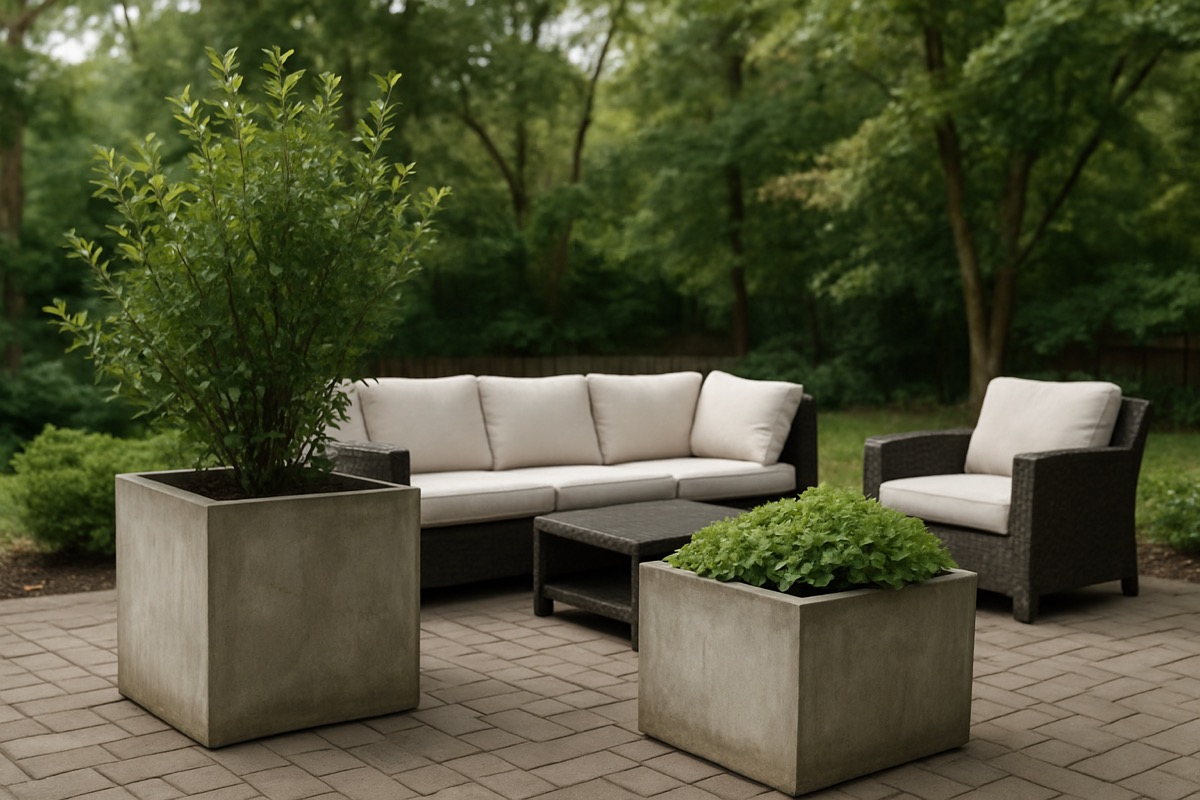
Where you put furniture matters as much as how heavy it is. Tucking a dining set against the house, under a covered porch, or beside a privacy wall shelters it from the worst gusts. Pergolas, lattice panels, and tall planted hedges all slow wind before it reaches your seating. On Lake Norman patios we often suggest orienting the heaviest pieces toward the open water side, where wind hits hardest, and keeping lighter accent chairs in protected corners. Thoughtful layout reduces how much securing you have to do later.
Build a quick pre-storm routine
The Carolinas give you warning more often than not. When the forecast turns, a five-minute routine saves a lot of cleanup. Close and tie down umbrellas, stack lightweight chairs and bring them inside or against a wall, lay down anything tall that could topple, and move cushions into a deck box or the garage. Cushions left out in a downpour stay damp for days in our humidity, so getting them under cover protects both the foam and your patio. Families who make this a habit rarely lose a piece to summer weather.
Store cushions and gear for humid summers
Charlotte humidity is hard on outdoor textiles even when the wind stays calm. A storm-ready storage plan keeps cushions, pillows, and rugs dry and prevents the mildew that thrives in our muggy July and August air. Deep deck boxes, weather-sealed storage benches, and breathable furniture covers all help. We often recommend covers with built-in tie-downs, because a cover that is also strapped to the frame adds a small amount of wind resistance while keeping moisture off. A deck box placed near the seating area also gives you a fast place to stash cushions the moment the sky darkens, which makes your pre-storm routine even quicker. The goal is a patio you can ride out the season without worry, knowing your pieces will look as good in September as they did in May.
When to repair, replace, or upgrade
After a rough storm, give your set an honest look. Cracked welds on a budget chair, a bent umbrella rib, or a wobbling table frame are signs that a piece is no longer wind-worthy and may be a hazard next time out. Rather than patching a flimsy chair year after year, many Charlotte homeowners eventually trade up to a heavier, better-built set that simply rides out the weather. We are always happy to assess what you have and point you toward pieces that will hold their ground, so a single bad storm does not become an annual expense.
Because keeping furniture secure is part of broader storm readiness, the home preparedness guidance at Ready.gov is a worthwhile additional resource for protecting your outdoor space in high winds.
Frequently asked questions
How much should a patio umbrella base weigh in windy areas? For a standard table umbrella, aim for at least 50 pounds, and choose 75 pounds or more for large or cantilever umbrellas on exposed patios. Lakefront and open backyards near Charlotte catch stronger gusts, so heavier is always safer.
Is heavier patio furniture really worth it in the Carolinas? Yes. Cast aluminum, wrought iron, and poly lumber pieces resist wind far better than lightweight resin or stamped aluminum. The extra mass is what keeps a set grounded when a summer thunderstorm pushes through the Piedmont.
What should I do with cushions before a storm? Move them into a deck box, storage bench, or indoors. Our humidity keeps wet cushions damp for days, which invites mildew, so getting them under cover protects the foam and the fabric.
Can I secure furniture without drilling into my deck? Absolutely. Furniture clips, ratchet straps to a railing, heavy planters, and weight bags all add stability without permanent hardware, which is ideal for renters or anyone who prefers not to modify the deck.
Storm season does not have to mean chasing chairs across the yard. If you want help choosing heavier, wind-ready pieces or the right anchoring accessories for your space, our team is glad to walk you through it. Browse durable sets in our shop, learn more about our recycled plastic furniture that holds up beautifully in Carolina weather, or call us at (704) 274-3222 to talk through your patio.