
Outdoor chair weight capacity is one of those specs that gets glossed over in a showroom until it becomes a real problem on a summer evening with a full patio of guests. The number stamped on a chair’s spec sheet reflects more than just how heavy a person can be — it tells you about the frame gauge, the weld quality, the seat span, and how the piece was tested. If you’re furnishing a deck, pool patio, or screened porch anywhere in the Charlotte area, understanding these ratings will help you buy seating that holds up to daily use rather than just looking sturdy in a catalog photo.
How Weight Ratings Are Actually Determined
Most reputable outdoor furniture manufacturers test frames against industry benchmarks rather than pulling numbers out of thin air. In the U.S., many commercial and residential lines reference standards published by BIFMA, the furniture industry association that sets protocols for static load, seating impact, and cyclical durability testing. A static load test tells you what a chair can hold while sitting still; a dynamic or cyclical test tells you what happens when someone sits down with force, shifts their weight, or leans back repeatedly over thousands of cycles. This distinction matters because a chair rated for 300 pounds statically may behave differently under the repeated stress of daily use — someone dropping into it after a long day, or a group of kids climbing on and off a chaise. For general furniture safety information, the U.S. Consumer Product Safety Commission publishes consumer guidance.
When a showroom associate quotes you a weight capacity, ask whether that number reflects static or dynamic testing, and whether it was tested per-seat or as a total for a loveseat or bench. A two-seat glider rated for 500 pounds combined behaves very differently than two single chairs each individually rated to 300 pounds. Reading the fine print — or asking directly — saves you from assuming a number applies more broadly than it does.
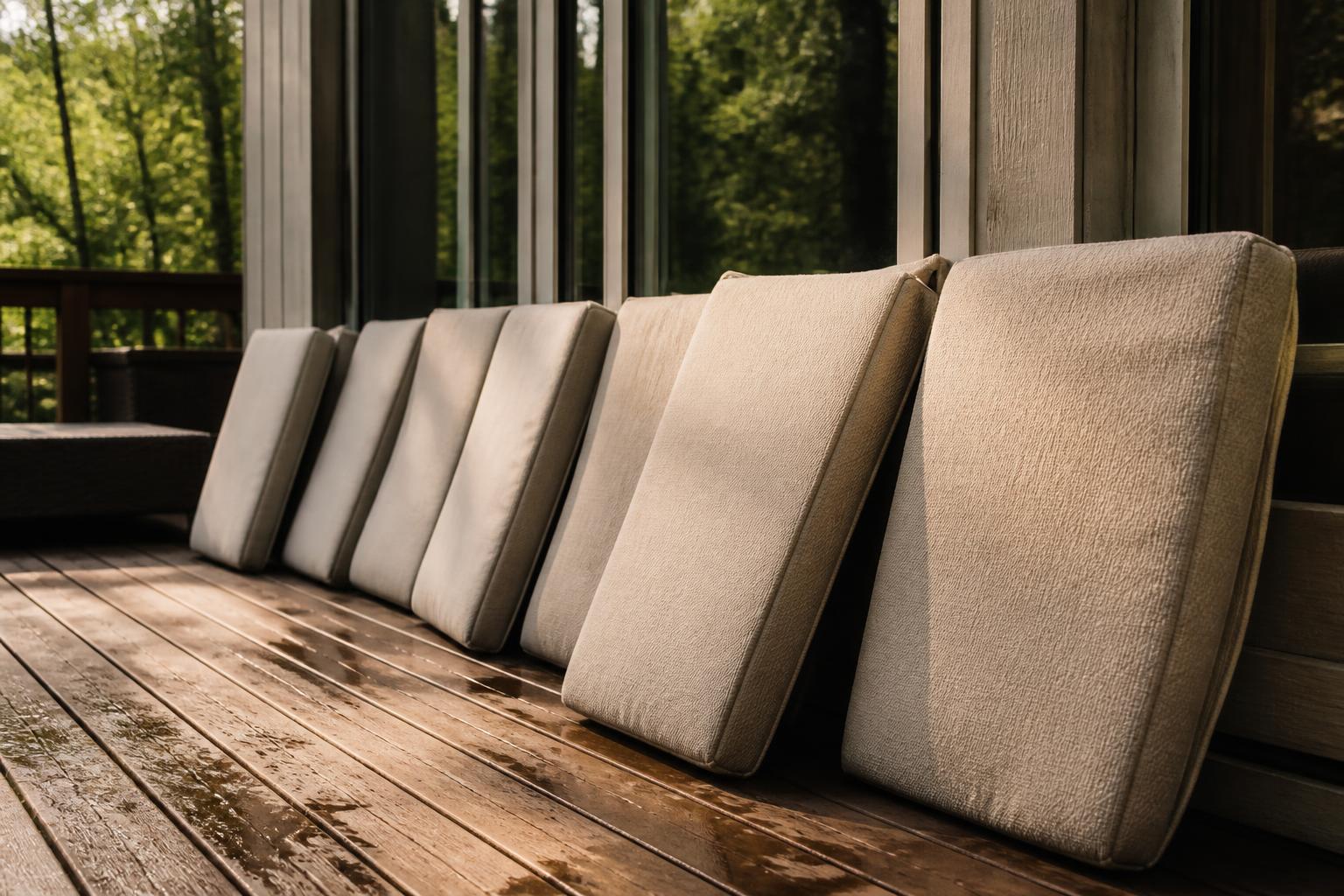
It’s also worth remembering that weight capacity isn’t just about the person sitting down. Outdoor chairs endure wind loading, being dragged across pavers, and the weight of wet cushions after a Carolina thunderstorm. A frame with margin above its stated rating tends to hold up better through these secondary stresses than one engineered right to the edge of its spec.
Aluminum Frames: Gauge, Welds, and Why Both Matter
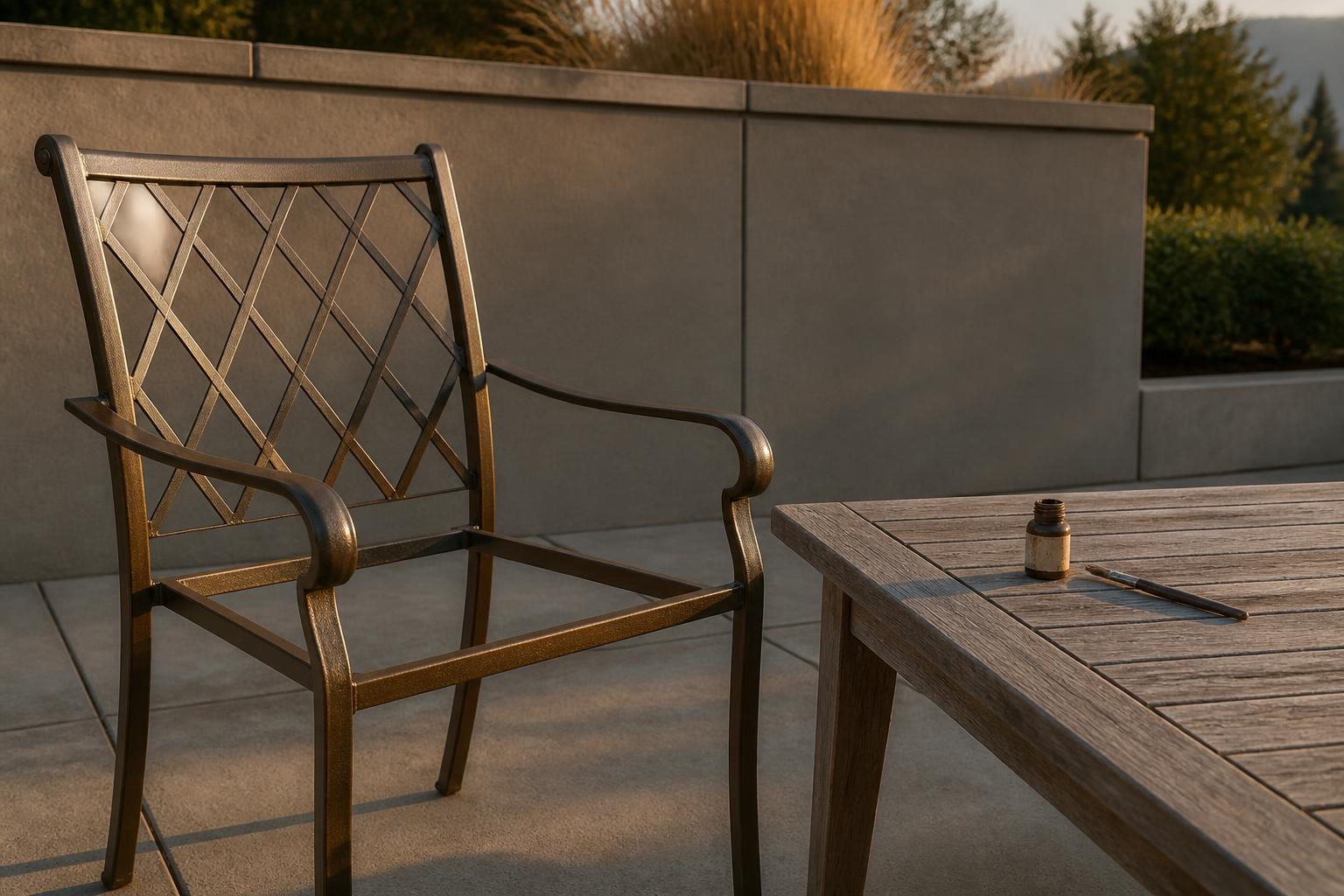
Powder-coated aluminum is the most common frame material for mid-to-upper-tier outdoor seating, and for good reason — it resists rust, stays relatively cool to the touch, and can be engineered light enough to move easily yet strong enough for daily sitting. But not all aluminum is equal. Frame tubing is measured in gauge (wall thickness), and thicker-walled tubing, typically in the 1.0mm to 1.5mm range for quality outdoor pieces, generally supports higher weight capacities and resists bending under load better than thin-wall economy tubing.
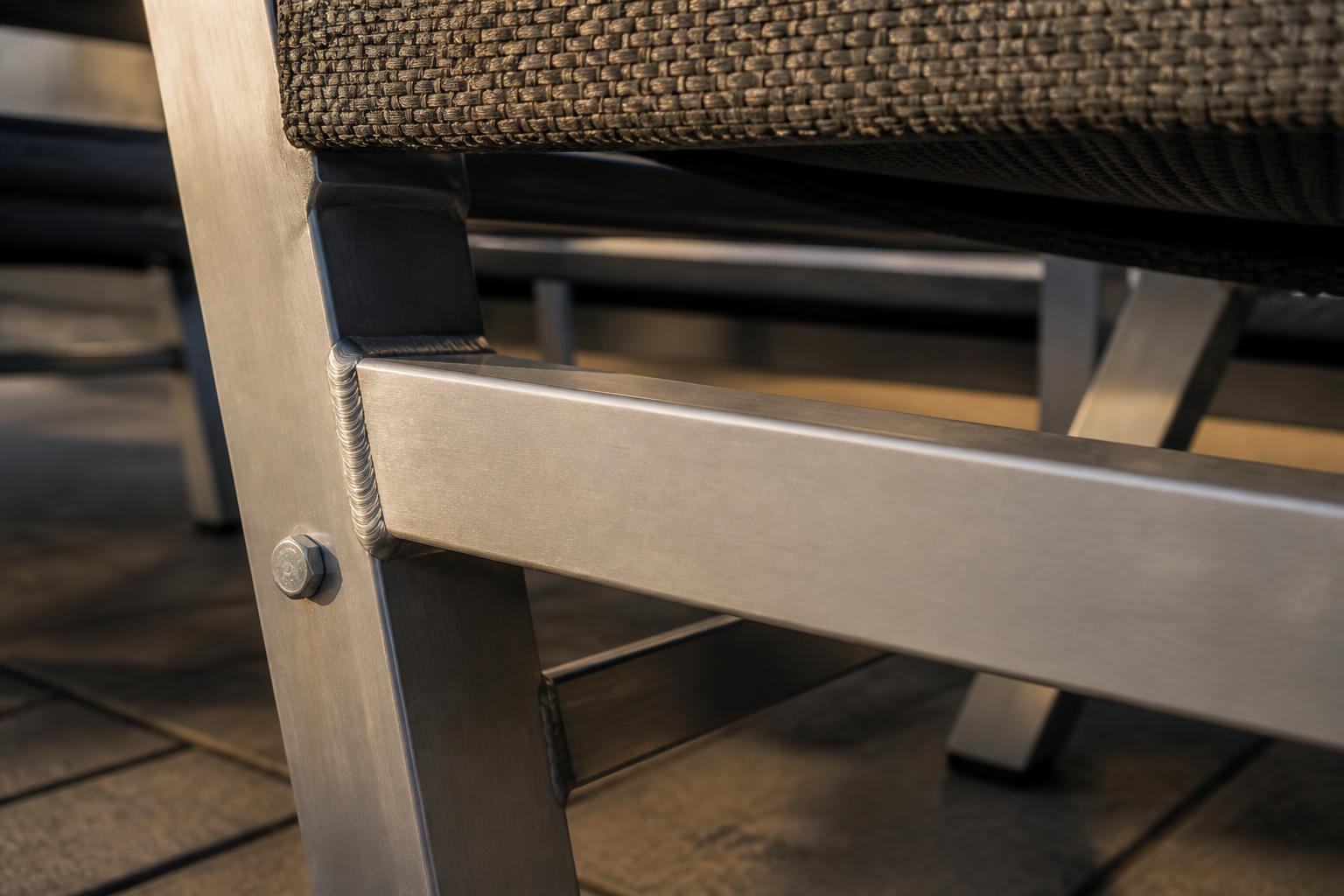
Gauge alone doesn’t tell the whole story, though. Weld quality is just as important. A chair with heavy-gauge tubing but a sloppy, incomplete weld at the seat rail or arm joint will fail at that seam long before the tubing itself gives out. When you’re evaluating a frame in person, look at the welds where the seat rail meets the legs and where arms attach to the back — you want continuous, smooth welds rather than short tack welds with gaps. Ask to sit in the chair and shift your weight side to side; a well-built aluminum frame won’t flex or creak under normal movement.
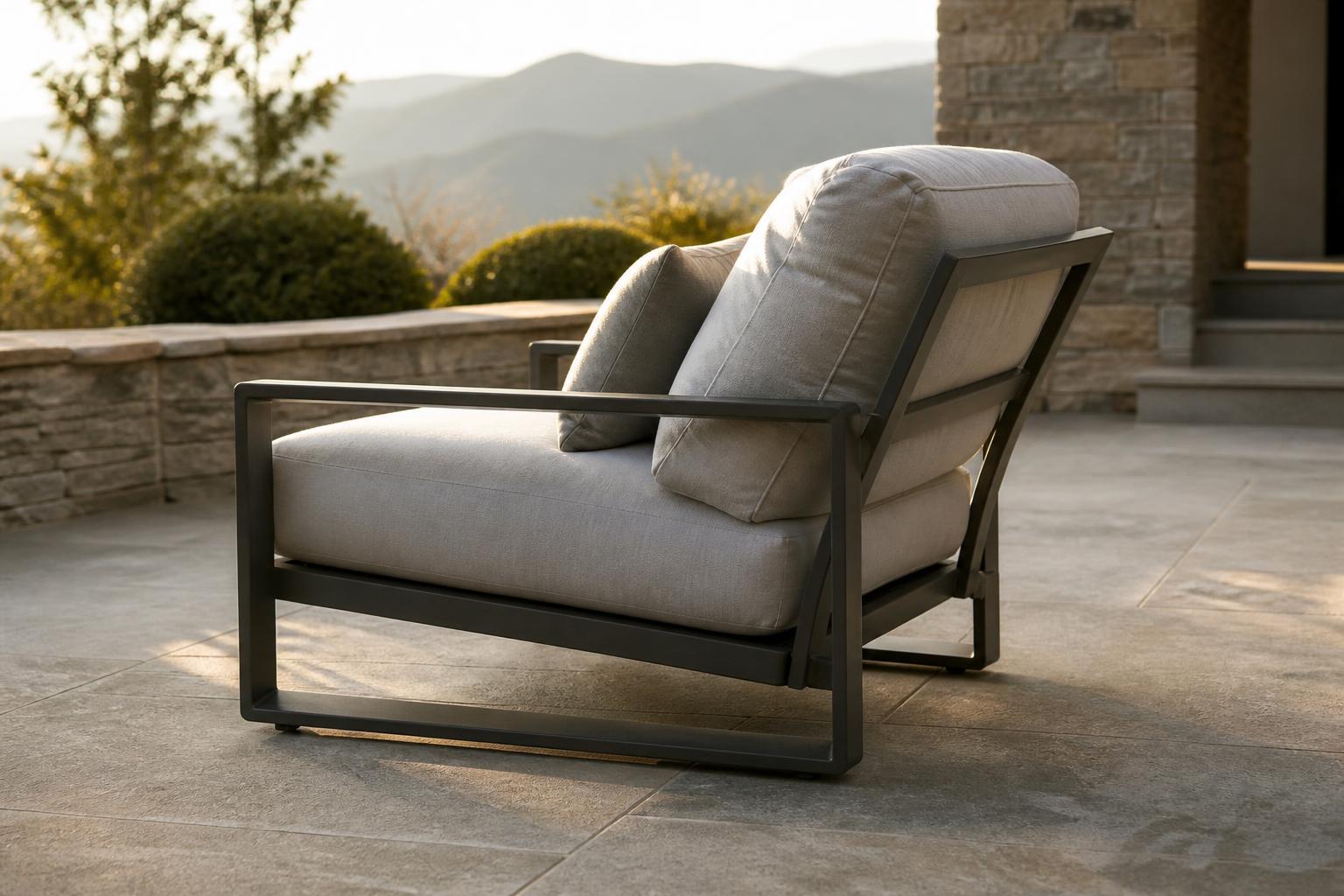
Seat span — the distance between the two front legs or side rails supporting the seat — also affects how much weight a chair can comfortably carry. A wider seat span without adequate cross-bracing underneath can allow more flex, even in a heavier-gauge frame. If you’re comparing a standard dining chair to a wider lounge chair, expect the wider piece to need additional support structure to carry a similar capacity. For general dimension guidance on how frame depth and seat proportions relate to comfort, our guide to aluminum outdoor sofa frame depth covers how these measurements interact on larger seating pieces.
Wicker-Over-Aluminum: Where the Real Support Lives
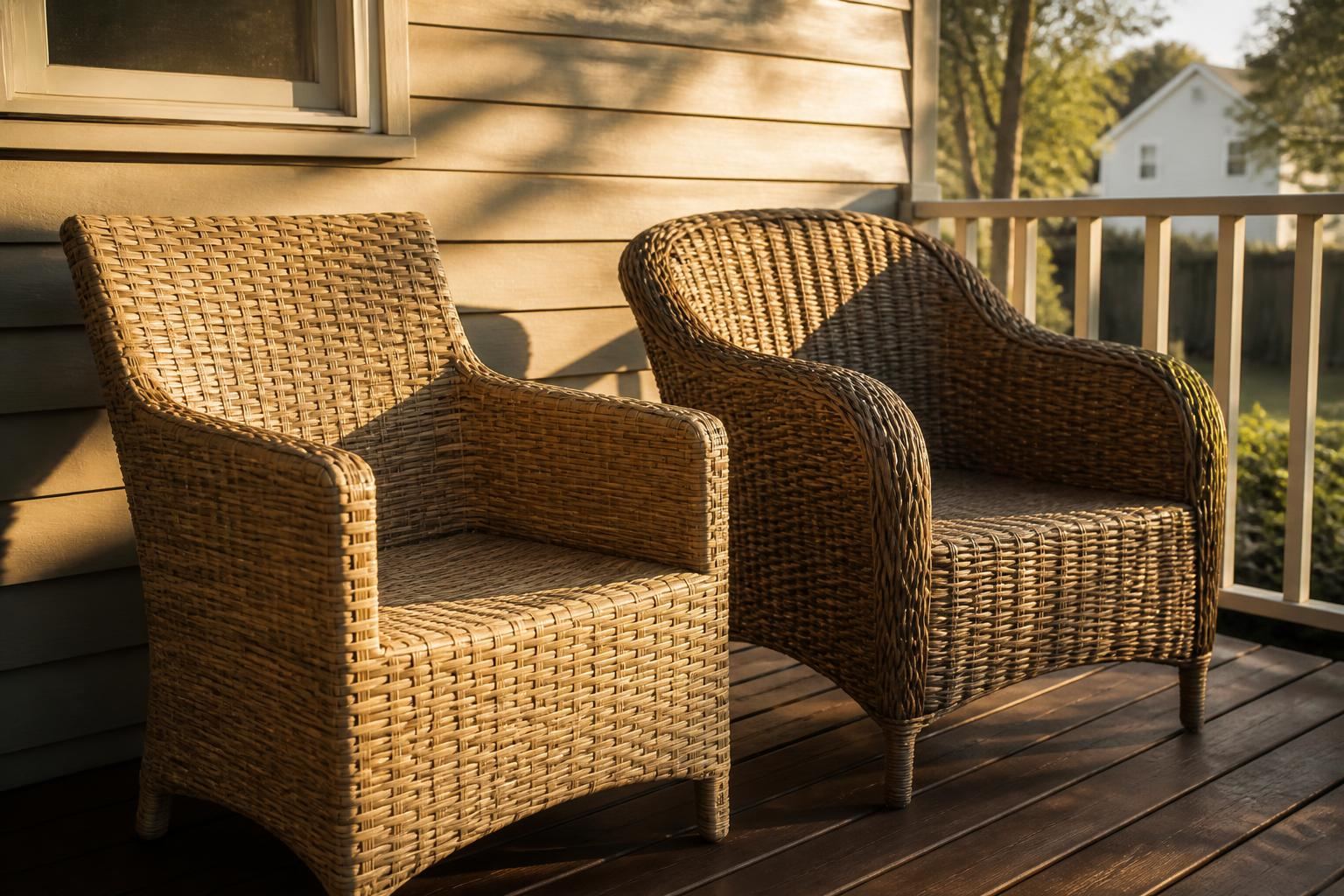
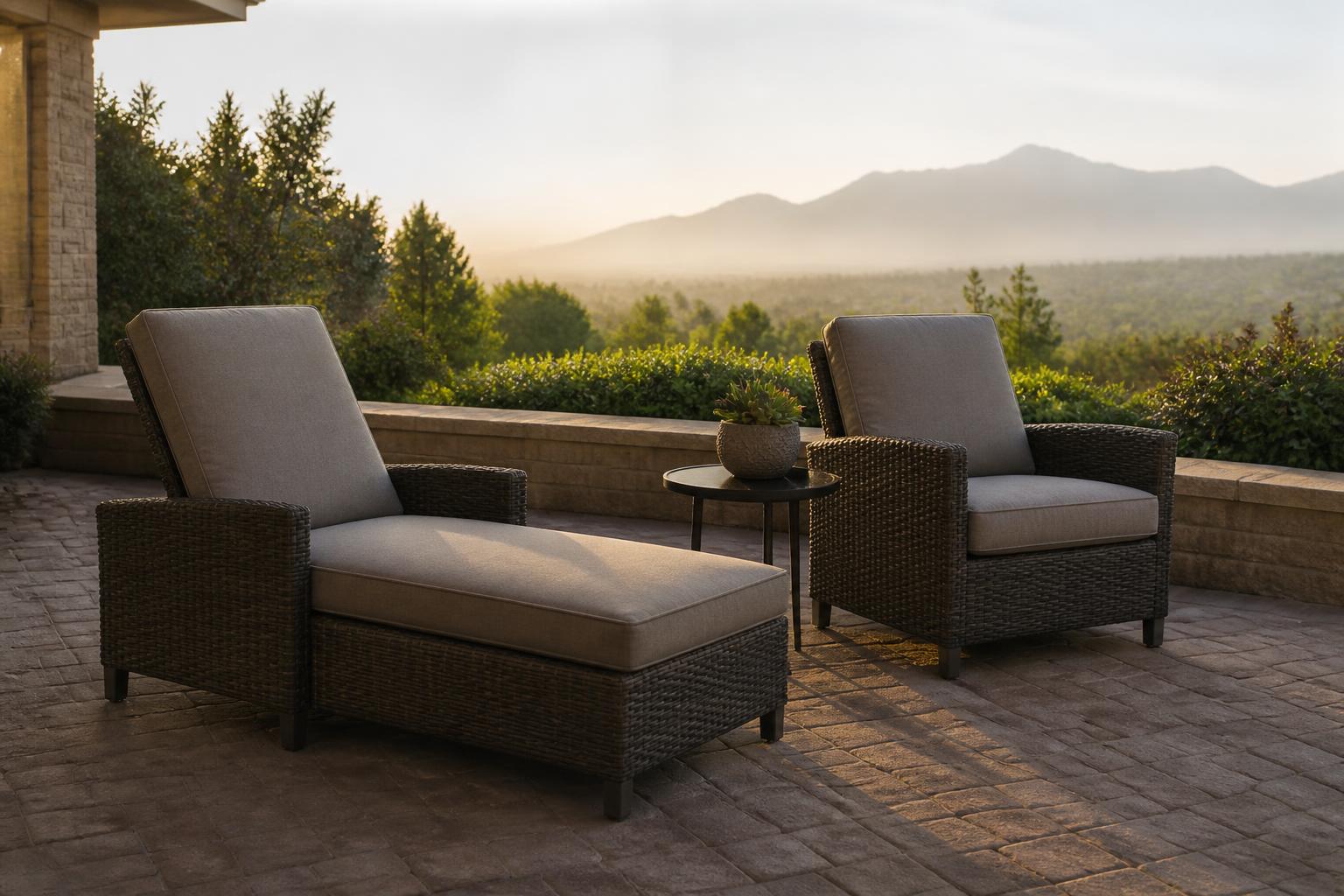
All-weather resin wicker looks and feels different from bare aluminum, but structurally, the wicker itself isn’t what’s holding you up — it’s woven over an aluminum skeleton, and that hidden frame is what determines the actual weight capacity. When you’re shopping wicker seating, don’t judge capacity by how thick or tightly woven the resin strands look. Ask what gauge aluminum sits underneath, because a beautifully woven chair over a thin frame will still flex and eventually crack the resin at stress points.
One area worth checking specifically on wicker chairs and chaises is the seat pan — the flat or slightly curved section directly under the cushion. Many wicker seats have a solid or strapped aluminum seat pan rather than woven resin bearing the load directly, which distributes weight more evenly and reduces stress on the visible wicker weave. Ask whether the seat pan is solid aluminum, webbed strapping, or if the woven resin itself is the only support — this affects both weight capacity and long-term sag resistance.
Humidity and UV exposure common to Carolina summers can also affect resin wicker over time, making brittle or degraded strands more prone to cracking under load that they handled fine when new. Inspecting wicker furniture each spring for stress cracks near arm joints or seat edges, and keeping it out of direct summer sun when possible, helps preserve both appearance and structural integrity through the years.
Poly Lumber and HDPE Seating: A Different Kind of Strength
Recycled poly lumber, often made from HDPE (high-density polyethylene), builds strength differently than aluminum or wicker. Instead of thin tubing, poly lumber furniture uses solid or hollow-core lumber-style boards, typically 1 inch to 1.5 inches thick, assembled with stainless steel hardware. Because the material itself is dense and rigid, poly lumber chairs and chaises often carry higher weight capacities than comparably sized wicker or lightweight aluminum pieces — it’s common to see poly Adirondack chairs and gliders rated well above 300 pounds.
The tradeoff is weight and portability. A poly lumber chair can weigh 30 to 40 pounds or more, compared to 15 to 20 pounds for a comparable aluminum chair, which is actually an advantage in exposed, windy patio areas since the furniture is less likely to tip or blow around during a storm. If you’re furnishing an uncovered deck or a spot near open water where wind gusts are a regular concern, that extra mass can be a practical benefit rather than a drawback.
Hardware matters as much as board thickness on poly lumber pieces. Look for stainless steel bolts and connectors rather than coated steel, since coated fasteners can corrode faster in humid climates and become the weak point in an otherwise durable frame. When evaluating capacity claims on poly seating, ask whether the rating accounts for the hardware and joinery, not just the board material itself, since loose or corroding fasteners are usually the first failure point on these pieces over years of use.
What to Ask Before You Buy
Walking into a showroom with a few specific questions will get you further than just reading capacity numbers off a tag. Ask for the weight rating in writing, whether it’s static or dynamic, and whether it applies per-seat on multi-person pieces like loveseats and gliders. Ask about frame gauge and, on wicker pieces, what’s underneath the resin weave. If you’re buying a chaise or a chair with a notably wide seat, ask specifically how the seat span is braced, since wider seats need more structure to carry the same capacity as a standard-width chair.
It’s also worth testing the piece physically rather than relying on the tag alone. Sit down normally, then shift your weight and lean back the way you actually would at home. A frame that feels solid under casual sitting but flexes noticeably when you lean will tell you more than a spec sheet. If seat height and proportion are part of your decision too — particularly for anyone with mobility considerations — our patio chair seat height guide walks through how those measurements affect comfort alongside structural capacity.
Finally, factor in how the piece will be used day to day. A dining chair used briefly during meals experiences different cumulative stress than a lounge chair or glider used for hours at a stretch. Matching the weight capacity and construction quality to actual usage patterns, rather than buying the cheapest option that technically meets your needs, tends to produce furniture that holds up through several Carolina seasons rather than one.
Frequently Asked Questions
What weight capacity should I look for in a standard outdoor dining chair?
Most quality aluminum or wicker-over-aluminum dining chairs are rated between 250 and 300 pounds per seat, while heavier-duty poly lumber chairs often exceed that range. For everyday household use, a chair rated at least 250 pounds with solid welds and adequate seat span bracing will handle typical daily sitting, leaning, and shifting without issue.
Do loveseats and gliders have a combined or per-seat weight rating?
It varies by manufacturer, so always ask directly. Some multi-seat pieces list a combined total capacity across both seats, while others rate each seat individually. This distinction matters most for households where two adults regularly sit together, since a combined rating close to your total weight leaves less margin than a per-seat rating of the same number.
Does a higher weight capacity mean a chair will last longer?
Not necessarily on its own. Weight capacity reflects load-bearing strength, but longevity also depends on weld quality, hardware material, fabric durability, and how well the piece resists humidity, UV exposure, and temperature swings. A high capacity rating paired with poor welds or coated steel hardware can still fail sooner than a moderately rated chair built with better joinery.
Can I increase the effective capacity of a chair I already own?
Not safely in most cases. Weight ratings come from how the frame, welds, and seat pan were engineered together, so modifications like added bracing typically don’t restore or exceed the original tested capacity. If a chair feels undersized for regular use, it’s more practical to size up to a chair or bench rated for higher capacity than to attempt reinforcement.
If you’d like to sit in a range of frames side by side and compare gauge, weld quality, and weight capacity in person, Carolina Patio Furniture’s Charlotte showroom is a good place to start — browse our collection of outdoor chairs and bring your questions about how each piece is built. Call us at (704) 274-3222 or stop by in person, and we’ll help you match a chair’s construction to how you actually plan to use it.