
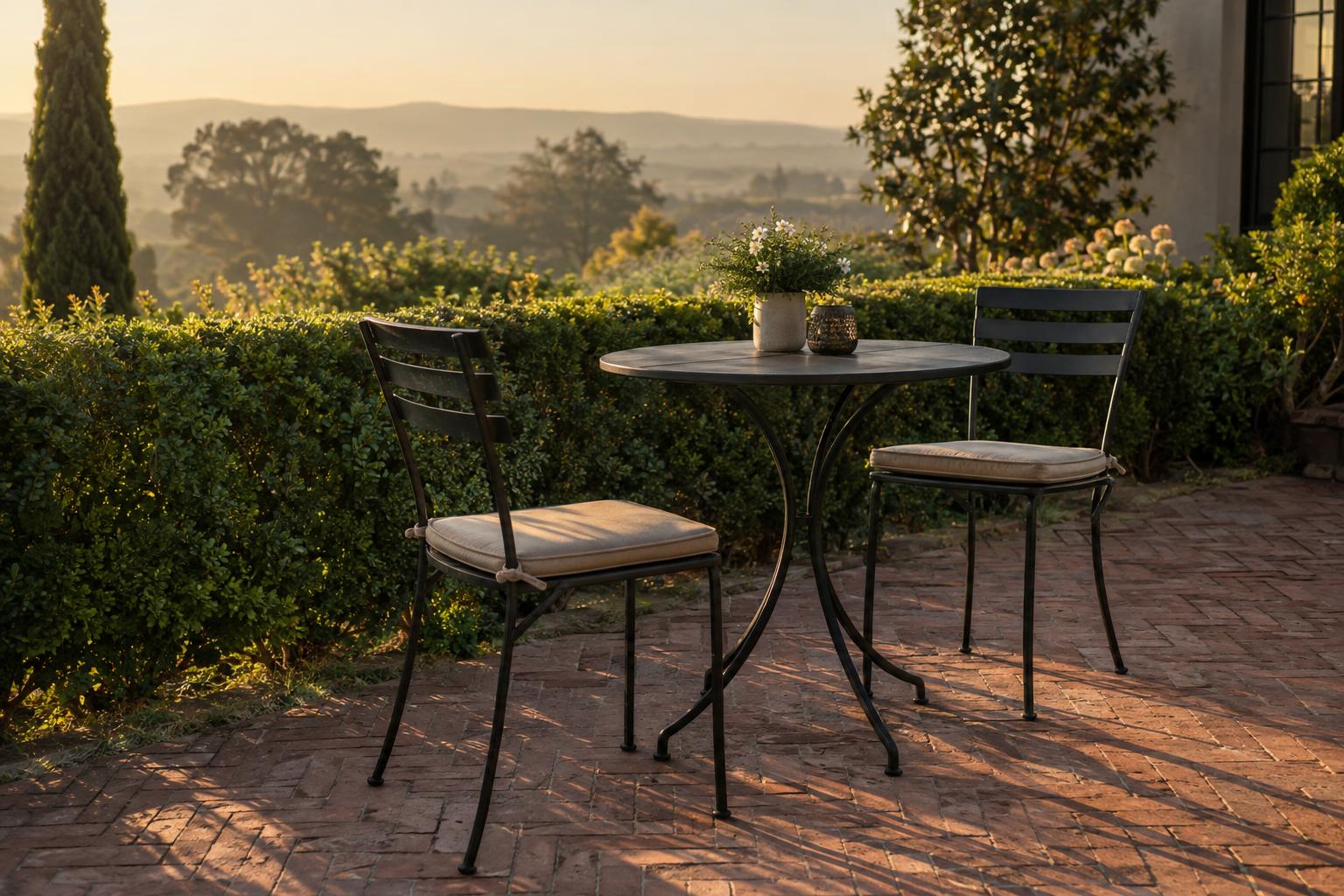


Wide seat outdoor chairs solve a problem that a lot of standard patio seating creates: you sit down, and your hips or shoulders are pressed against the arms before you even get settled. If you’ve outgrown the narrow club chairs that came with your last patio set, or you’re just tired of feeling boxed in during dinner outside, the fix isn’t guesswork — it’s measuring. Below, you’ll find the actual numbers to check before you buy, from seat width and depth to arm spacing and cushion thickness, plus what to physically test when you visit a showroom.
Seat Width: The Number That Matters Most
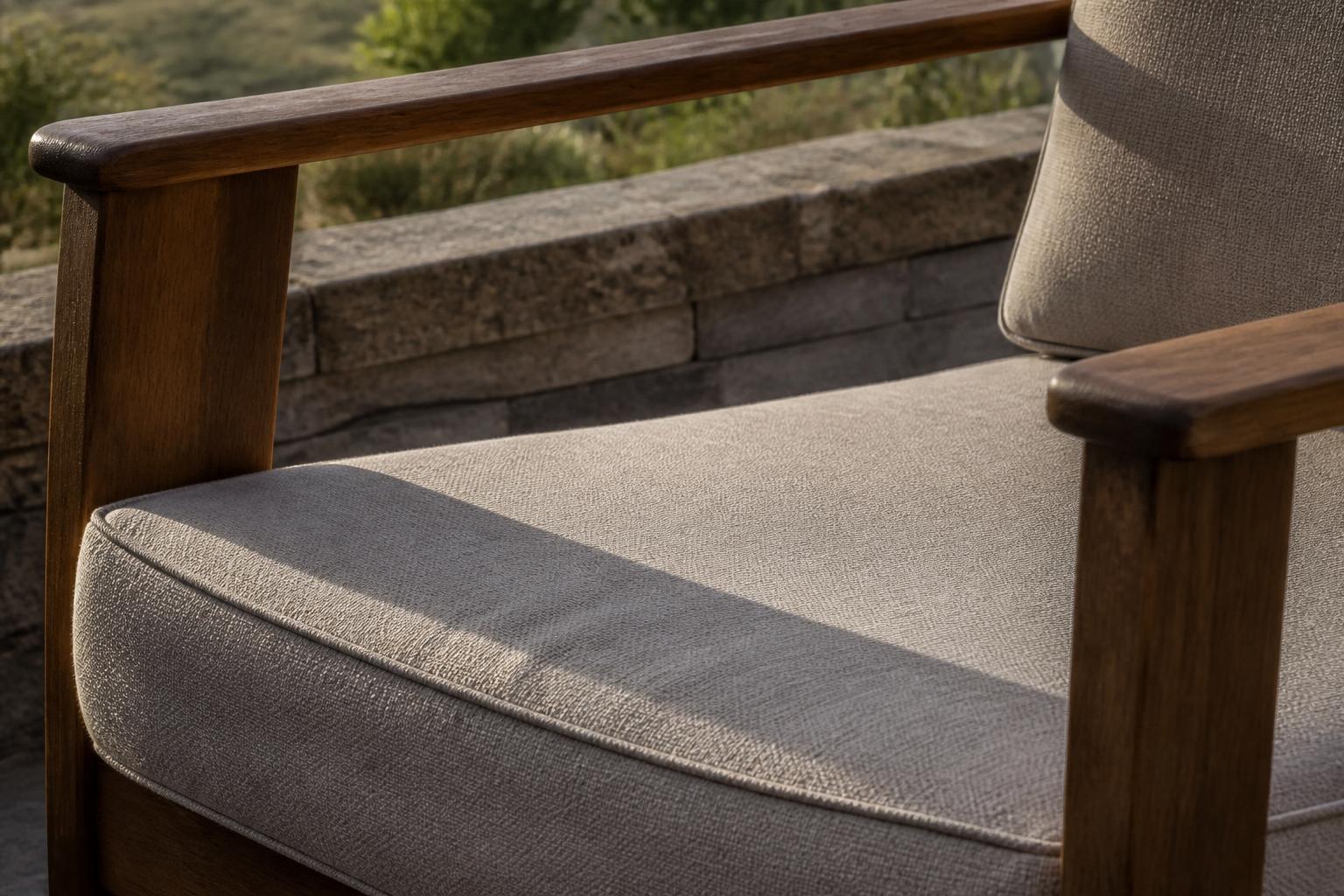
Seat width is measured between the inside edges of the arms, not the outside edges of the whole chair — a detail that trips up a lot of online shoppers comparing dimensions on a spec sheet. Standard outdoor dining and lounge chairs typically run 20 to 23 inches wide between the arms. Wide-seat models generally start around 24 inches and can reach 28 to 30 inches on deep-seated lounge chairs and club chairs designed for lingering rather than quick meals.
To figure out what you actually need, sit in a chair you already own that feels comfortable and measure hip-to-hip with a couple inches of buffer on each side, or measure your own seated width across the widest point (usually the hips or thighs) and add at least 3 to 4 inches total for breathing room and layered clothing in cooler months. If two people will occasionally share a wider chair or a chair-and-a-half, you’re looking at a different category of seating — our guide to loveseat width for two adults breaks down those dimensions separately, since loveseats need to account for two sets of shoulders and hips at once rather than one.
Keep in mind that a wider seat frame also means a wider cushion, and wider cushions lose shape faster if the foam core is thin. Look for cushion cores at least 4 to 5 inches thick in a wide seat; anything thinner tends to flatten at the edges within a season or two of regular use, especially in humid Carolina summers when cushions rarely get a chance to fully dry out between rains.
Seat Depth and Height Work Together With Width
Width alone won’t tell you whether a chair is comfortable — depth and height have to match your body too. Seat depth, measured from the front edge of the cushion to the seat back, typically ranges from 20 to 24 inches on outdoor chairs. If you’re under about 5’6″, a seat deeper than 22 inches can leave your legs dangling short of the front edge, forcing you to perch forward or slide down until your knees find the edge, which defeats the purpose of a roomier chair. Taller frames, 5’10” and up, generally do better with 22- to 24-inch depth so the seat actually supports the full length of the thigh.
Seat height matters just as much for anyone who wants to stand up easily or values proper knee alignment at a dining table. We cover this in more detail in our patio chair seat height guide, but as a quick reference: dining chairs typically sit 17 to 19 inches from the ground to the top of the cushion, while lounge and conversation chairs run lower, often 15 to 17 inches, to encourage a more relaxed recline.
A wide seat paired with the wrong depth or height still won’t feel right, even if the width measurement checks every box. Bring your own tape measure to the showroom and measure a chair after you’ve sat in it for a few minutes, since foam compresses under load and the resting measurement on the showroom floor tag isn’t always what you’ll experience after settling in.
Arm Spacing, Arm Height, and Frame Strength
Arm-to-Arm Clearance
Beyond the inside seat width, check the height of the arms relative to the seat cushion. Arms that sit higher than about 8 to 9 inches above the cushion can dig into your forearms or ribs when you sit back, while arms lower than 6 inches may not give you anything to rest on at all. Wide-seat chairs with slightly lower, wider arms — sometimes called “relaxed arm” styles — tend to feel roomier even at the same interior width as a chair with tighter, higher arms.
Weight Rating and Frame Material
Wider seats put more leverage on the frame joints, so frame material and construction matter more here than on a standard-size chair. Powder-coated aluminum and cast aluminum frames generally hold up well because the joints are often welded rather than screwed, and they resist the rust that can develop on lower-grade steel frames after a few humid Charlotte summers. All-weather resin wicker over an aluminum frame is another solid option for wide seating, provided the wicker is rated for continuous UV and moisture exposure rather than lighter-duty indoor wicker. Teak holds up structurally too, though it needs periodic oiling or is left to weather to a gray patina if you prefer low maintenance. Ask about the manufacturer’s weight capacity when you’re comparing wide chairs, since commercial-grade frames tested to industry standards such as BIFMA’s tend to hold up better under repeated heavy use than lighter promotional pieces.
Check the connection points where the arms meet the seat frame — that’s typically the first place a wide chair shows stress, since the extra width creates more torque when someone leans on an armrest to stand up.
Clearance Around Wide Chairs in Your Space
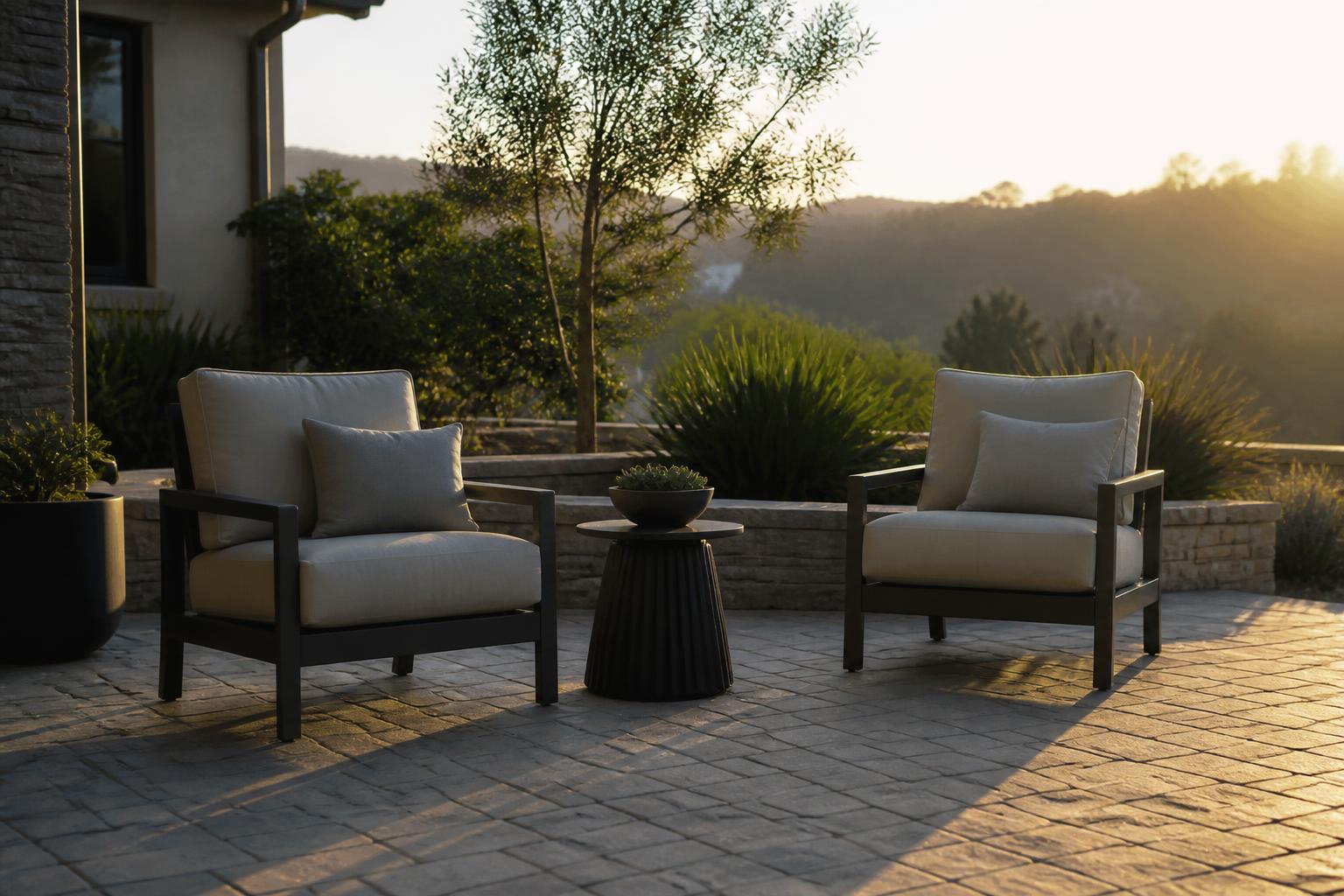
A wider chair needs more than just personal legroom — it needs floor space around it, and this is where a lot of buyers get caught off guard after delivery. For a dining arrangement, plan on at least 24 to 30 inches of clearance behind each chair so someone can push back and stand without bumping the person behind them or a nearby railing. Around a fire table or conversation set, aim for a minimum of 36 inches between chair backs and any fixed obstacle like a wall or planter, so people can walk through comfortably even with a few chairs pulled slightly outward.
Measure your patio or deck footprint before you shop, not after, and account for how umbrella bases, side tables, and ottomans will share that space. A chair that measures 30 inches wide including its arms needs roughly 32 to 34 inches of allotted floor width once you add a couple inches of buffer on each side for movement — multiply that across four or six chairs around a table and the numbers add up quickly. If your outdoor space is on the smaller side, a mix of two wider chairs at the heads of the table and standard-width chairs along the sides is often a practical compromise that gives extra room where it’s used most without crowding the whole layout.
Our full selection of outdoor chairs is a good place to compare seat widths and depths, which makes it easier to mix styles within one seating group if your household includes people of different sizes.
Cushions, Fabric, and Long-Term Comfort
A wide frame is only half the comfort equation — the cushion and fabric determine how it actually feels after an hour outside. Look for solution-dyed acrylic performance fabrics such as Sunbrella, which resist fading and mildew better than printed polyester and dry faster after rain, an important detail during the Carolinas’ humid stretches from late spring through early fall. Routine brushing off of debris and an occasional mild soap-and-water cleaning during heavy-use months keeps performance fabric looking and functioning as intended, and Sunbrella’s fabric care guidance covers the details.
For cushion cores, quick-dry foam wrapped in a breathable fabric sleeve is worth the upgrade over standard foam if your patio doesn’t have full cover, since it won’t hold water the way dense foam does. Wide seat cushions should be at least 4 inches thick at the center to avoid a “hammock” feel where your weight sinks the middle lower than the edges. If you store cushions indoors or in a deck box over winter, they’ll last longer regardless of frame material — winter freeze-thaw cycles combined with damp foam are what shorten cushion lifespan fastest in this region.
Frequently Asked Questions
What counts as a “wide seat” outdoor chair?
Generally, any chair with 24 inches or more of clearance between the inside edges of the arms qualifies as wide-seat, compared to the 20- to 23-inch range on standard outdoor dining and lounge chairs. Club chairs and deep lounge chairs sometimes reach 28 to 30 inches, which is roomier still and better suited to relaxed lounging than upright dining.
Do wide-seat chairs need special cushions?
Not special, but sized correctly — a wider frame requires a wider cushion, and off-the-shelf replacement cushions sized for standard 21-inch chairs won’t fit properly. Measure your seat width and depth before ordering replacement cushions, and confirm the foam core is at least 4 inches thick so the extra width doesn’t compromise support.
How much floor space should I leave around a wide outdoor chair?
Plan for at least 24 to 30 inches behind each dining chair so someone can push back and stand comfortably, and closer to 36 inches around fire tables or conversation seating where people need to walk through the group. Measure your patio footprint before ordering, including space for umbrella bases or side tables nearby.
Are wide-seat chairs less durable than standard chairs?
Not inherently, but the wider frame puts more stress on arm and seat joints, so frame quality matters more. Cast or powder-coated aluminum with welded joints generally holds up better under that added leverage than lighter steel frames, and it’s worth asking about weight capacity when comparing options.
If you want to feel the difference between a standard seat and a genuinely wide one, the only reliable way is to sit in both side by side. Stop by the Carolina Patio Furniture showroom in Charlotte, bring your own measurements if you have them, and browse our collection of outdoor chairs in person — or call us at (704) 274-3222 and we’ll help you narrow down options before you make the drive.