
Outdoor dining chair cushion thickness is one of those details that seems minor until you’re sitting at the table for a two-hour dinner and realize your seat pad is either too thin to protect your legs from the sling or so thick that your knees are jammed against the table edge. The two most common options on the market are 2-inch and 3-inch seat pads, and the difference between them affects comfort, seat height, how fast cushions dry after a Carolina thunderstorm, and how well they fit the chair frame you already own. This guide walks through the practical tradeoffs so you can order pads that actually work with your table and chairs.
How Cushion Thickness Changes Seating Comfort
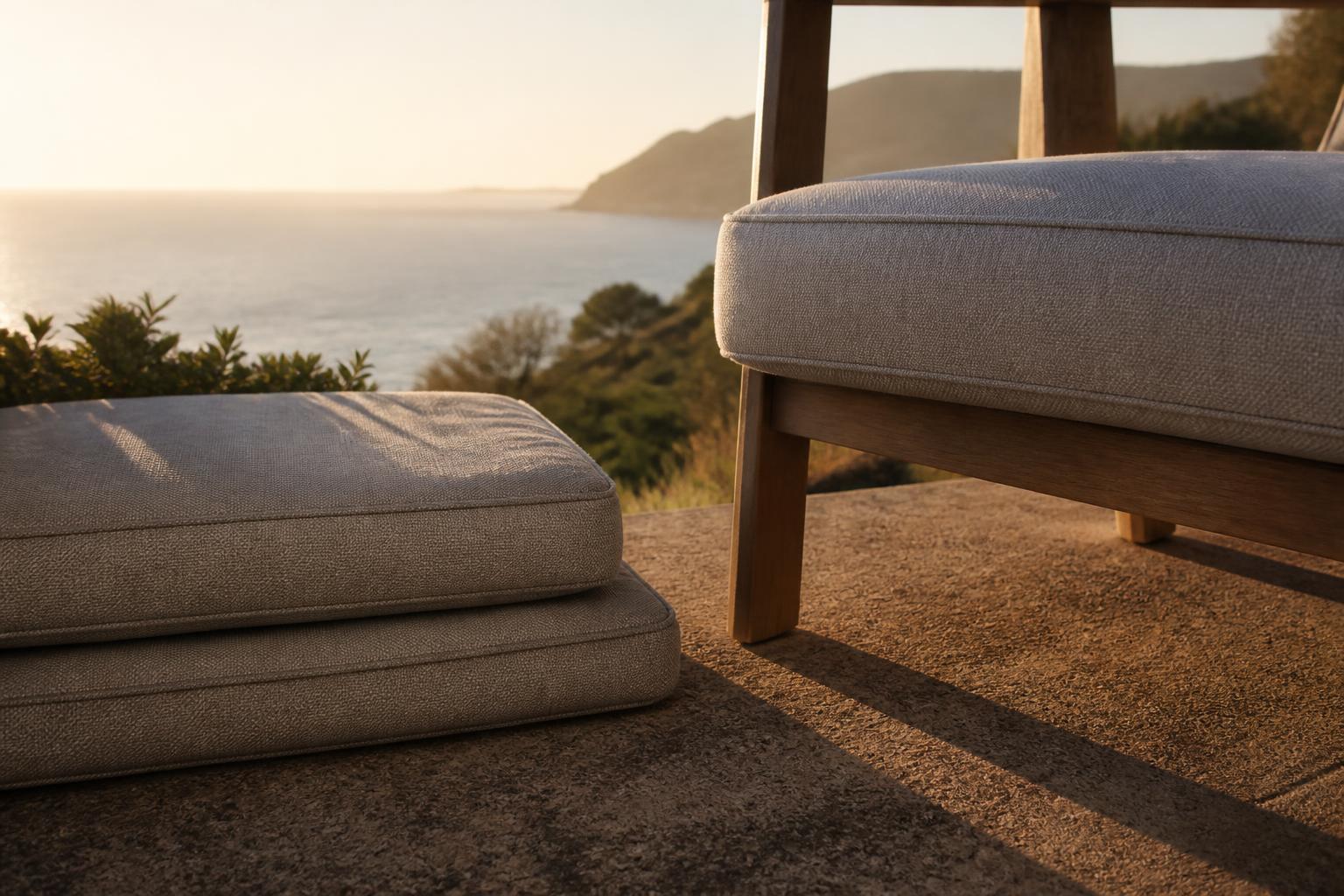
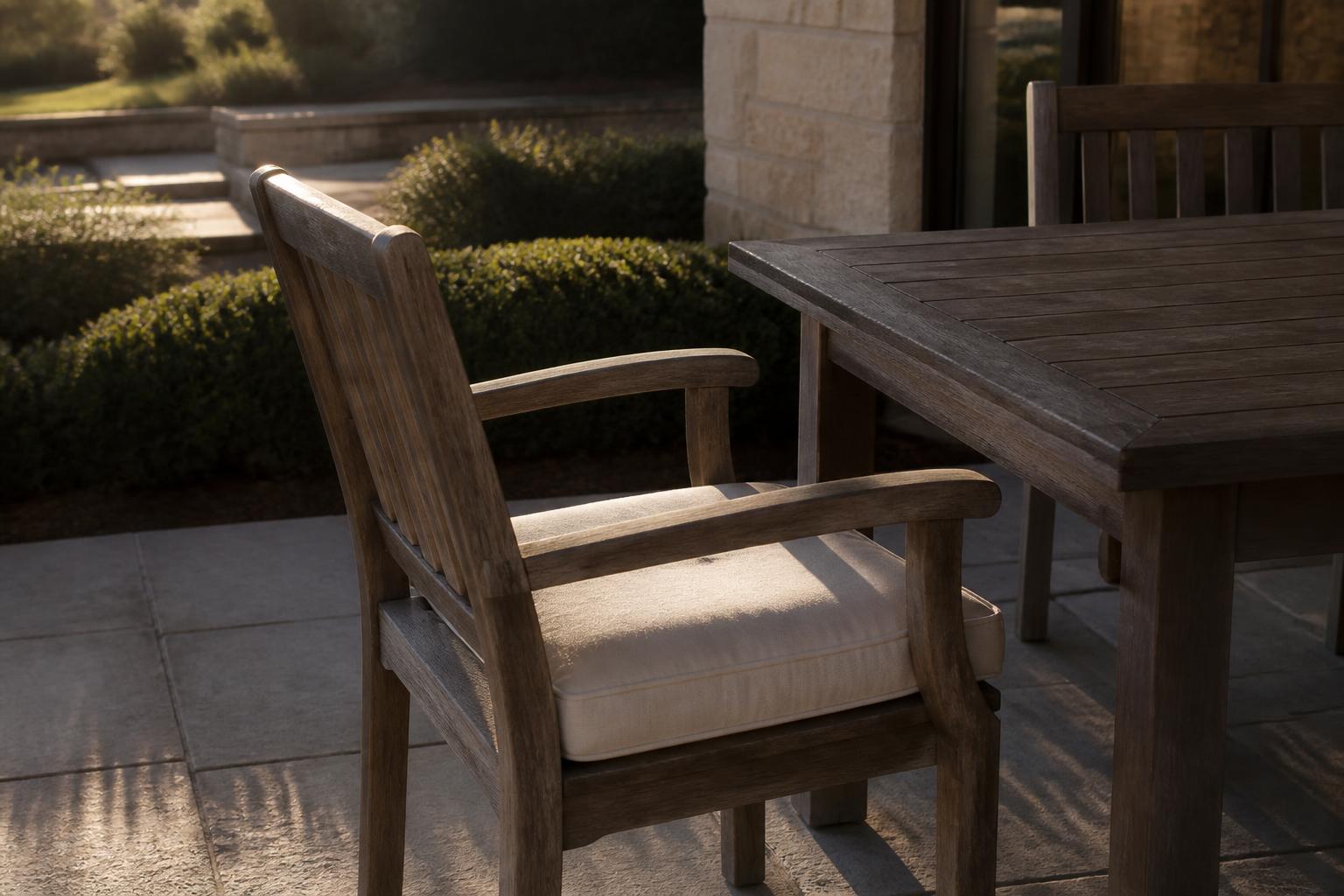
A 2-inch cushion is the standard depth for most outdoor dining chairs because dining is a task-oriented activity — you’re leaning forward to eat, reaching across the table, and getting up and down frequently. A slimmer pad keeps your hips at a stable height and doesn’t force you to sit unnaturally high relative to the table. Most people find 2-inch foam firm enough to support proper posture through a full meal without bottoming out on a sling or slatted seat.
A 3-inch cushion adds noticeably more padding beneath you, and some shoppers gravitate toward it because it feels plush in the showroom. The tradeoff is that 3 inches of foam compresses under body weight more than people expect, so a chair that measures a comfortable 18 inches to the top of an empty cushion might sit closer to 16.5 inches once someone’s actual weight settles into it. For long dinners, that extra give can actually reduce lower back support compared to a firmer 2-inch pad with the right foam density.
If you split time between dining chairs and a deep-seated chat set or sectional, keep in mind that lounge cushions are typically built thicker — 4 to 5 inches — because lounging calls for a different kind of support than dining. Dining cushions are intentionally thinner to match the more upright, task-focused posture of eating at a table.
Seat Height, Table Clearance, and Leg Room
This is where cushion thickness stops being a comfort preference and becomes a measurement problem. Standard outdoor dining tables sit around 28 to 30 inches high, and dining chairs are typically built so the bare seat sits between 16 and 18 inches off the ground. Add a cushion and you’re closing the gap between the top of the seat and the underside of the table’s apron.
A 2-inch cushion typically leaves 8 to 10 inches of clearance between the seat top and the tabletop on a standard 30-inch table with an 18-inch chair — enough room for most people’s thighs to slide in comfortably. Swap in a 3-inch cushion and that clearance shrinks by roughly an inch, which can feel tight if you’re tall or if the table has a thick apron underneath the top. Before you order replacement pads, measure the distance from your chair seat to the underside of your table apron with a tape measure, then subtract the cushion thickness you’re considering. For a deeper walkthrough of how these measurements interact across different table and chair pairings, see our guide on dining set legroom and seat clearance.
Chair arm height matters too. If your dining chairs have arms, a 3-inch cushion can raise your seated height enough that the arms no longer clear the table apron, which forces you to sit farther back or removes the ability to scoot in fully.
Foam Fill, Sling Seats, and Slatted Frames
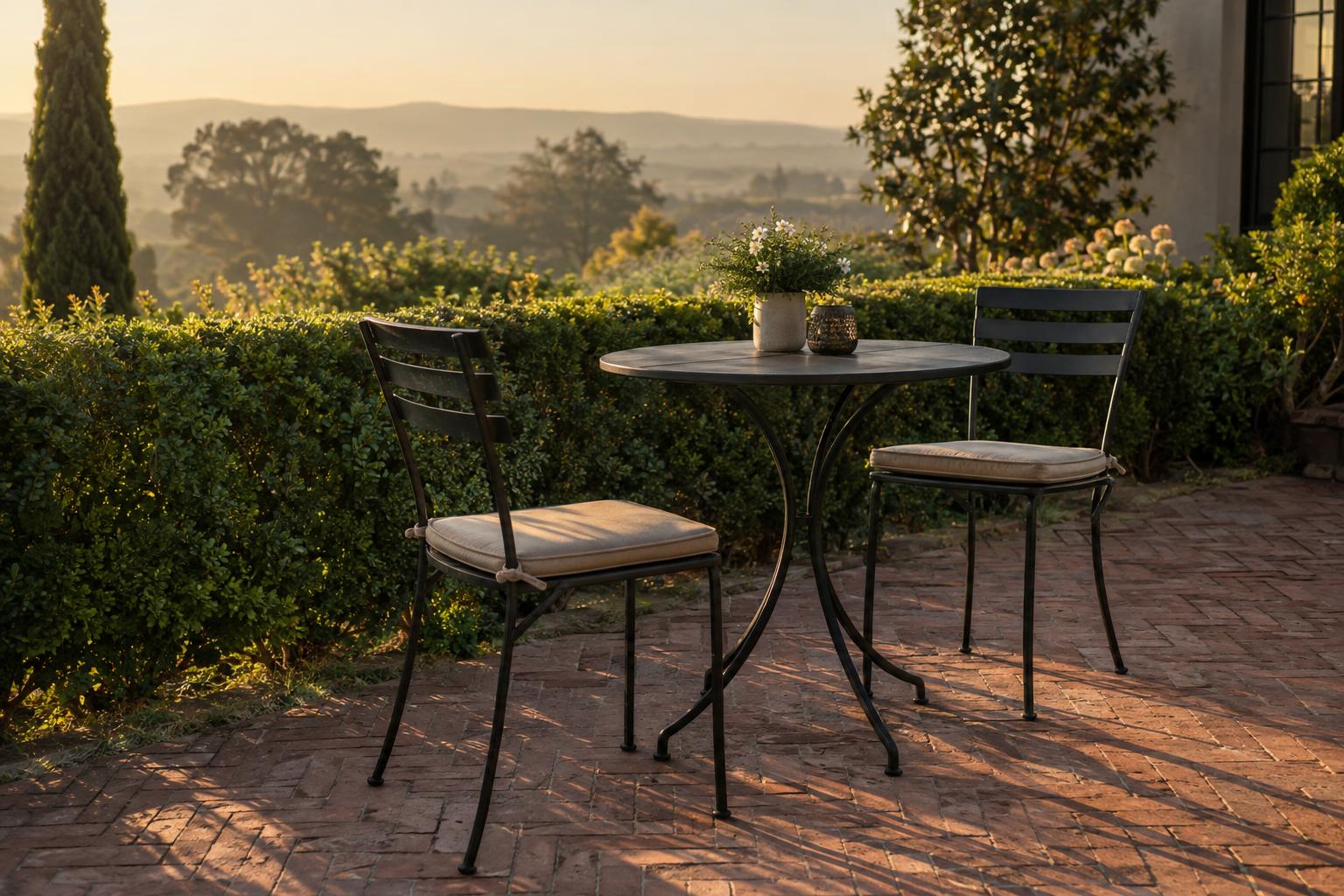
What’s underneath the cushion changes how much thickness you actually need. Chairs with woven sling seats, mesh, or stretched fabric already provide some give, so a 2-inch cushion on top usually feels adequate because the sling absorbs part of the pressure. Chairs with hard slatted seats — teak, HDPE poly lumber, or powder-coated aluminum slats — offer no give at all, so the cushion is doing 100 percent of the cushioning work. On slatted seats, some shoppers step up to a 3-inch pad specifically to avoid feeling the ridges of the slats through the foam.
The foam itself matters as much as the thickness number. Standard-density polyurethane foam is common at both 2-inch and 3-inch depths, but reticulated quick-dry outdoor foam lets water pass through rather than pooling inside, which is especially useful in the Carolinas where afternoon storms are frequent from late spring through summer. A 3-inch cushion built with standard-density foam can hold water in its core for a day or more after a heavy rain, while a 2-inch quick-dry cushion of similar density often sheds most surface water within a few hours. We break down the different fill options in more detail in our explainer on quick-dry foam and outdoor cushion fill, which is worth reading before you commit to either thickness.
Drying Time and Humidity in the Carolinas
Charlotte summers bring high humidity and frequent pop-up storms, and that combination is hard on any cushion that holds moisture. A thicker cushion has more foam volume, which means more internal surface area where water and moisture vapor can linger even after the fabric surface feels dry to the touch. That trapped moisture is what leads to mildew smell and, over time, foam breakdown.
If you leave dining cushions out uncovered through the summer, a 2-inch quick-dry pad will generally outperform a 3-inch standard-fill pad in day-to-day resilience, simply because there’s less foam mass to dry out. If you prefer the extra plushness of 3-inch cushions, look specifically for open-cell or quick-dry foam construction rather than standard density, and pair it with a performance fabric like Sunbrella acrylic, which resists fading and won’t wick moisture the way lower-grade polyester covers do.
Regardless of thickness, plan to bring cushions under cover or into storage during hurricane season warnings and stretches of consecutive rainy days, and give them a rinse with a garden hose every 4 to 6 weeks during peak pollen season to keep the yellow film from staining the fabric permanently.
Matching Cushion Thickness to Your Chair Frame
Before ordering replacement pads, check three things on your existing chairs: the seat width and depth (measure corner to corner where the cushion actually sits), whether the seat is sling, mesh, or slatted, and the exact clearance between the seat and the table apron. Most outdoor dining chair seats run 18 to 20 inches wide and 16 to 18 inches deep, but frames vary enough between manufacturers that a cushion sized for one chair won’t necessarily fit another without gapping or overhang.
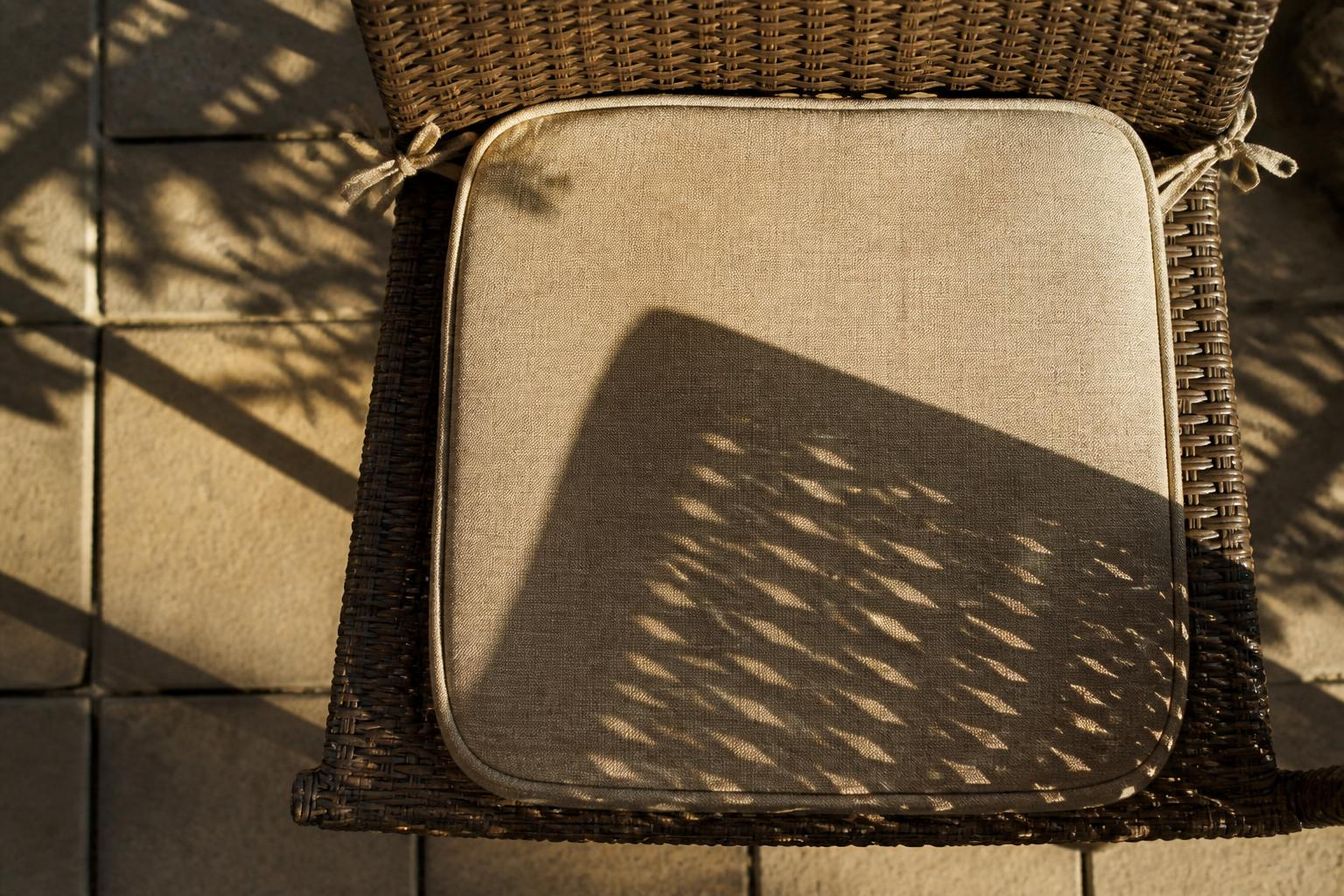
Also check the ties: most replacement dining cushions use two sets at the back corners, and a thicker 3-inch pad may need longer ties to wrap the chair frame without pulling tight.
If you’re shopping for new chairs rather than replacement cushions, it’s easier to evaluate thickness in person. Visit a showroom and sit in a few options with both 2-inch and 3-inch pads to feel the difference in seat height and firmness before ordering, especially if the set will be used for long dinners rather than quick meals. You can browse current frame styles in our outdoor dining chair collection to get a sense of what pairs well with each cushion depth.
Frequently Asked Questions
Is a 2-inch or 3-inch cushion better for outdoor dining chairs?
For most dining setups, a 2-inch cushion is the more practical choice because it keeps seat height in proportion with standard table clearance and dries faster after rain. A 3-inch cushion can work well if your chairs have hard slatted seats and you want extra padding, but check table clearance first so your knees still fit comfortably underneath.
Will a thicker cushion make my dining chairs too tall for the table?
It can. Standard tables sit 28 to 30 inches high with 8 to 10 inches of clearance above an 18-inch chair seat topped with a 2-inch cushion. Adding a 3-inch cushion reduces that clearance by roughly an inch, which may feel tight for taller guests or chairs with thick table aprons. Measure before you order.
How often should I clean or dry out my outdoor dining cushions?
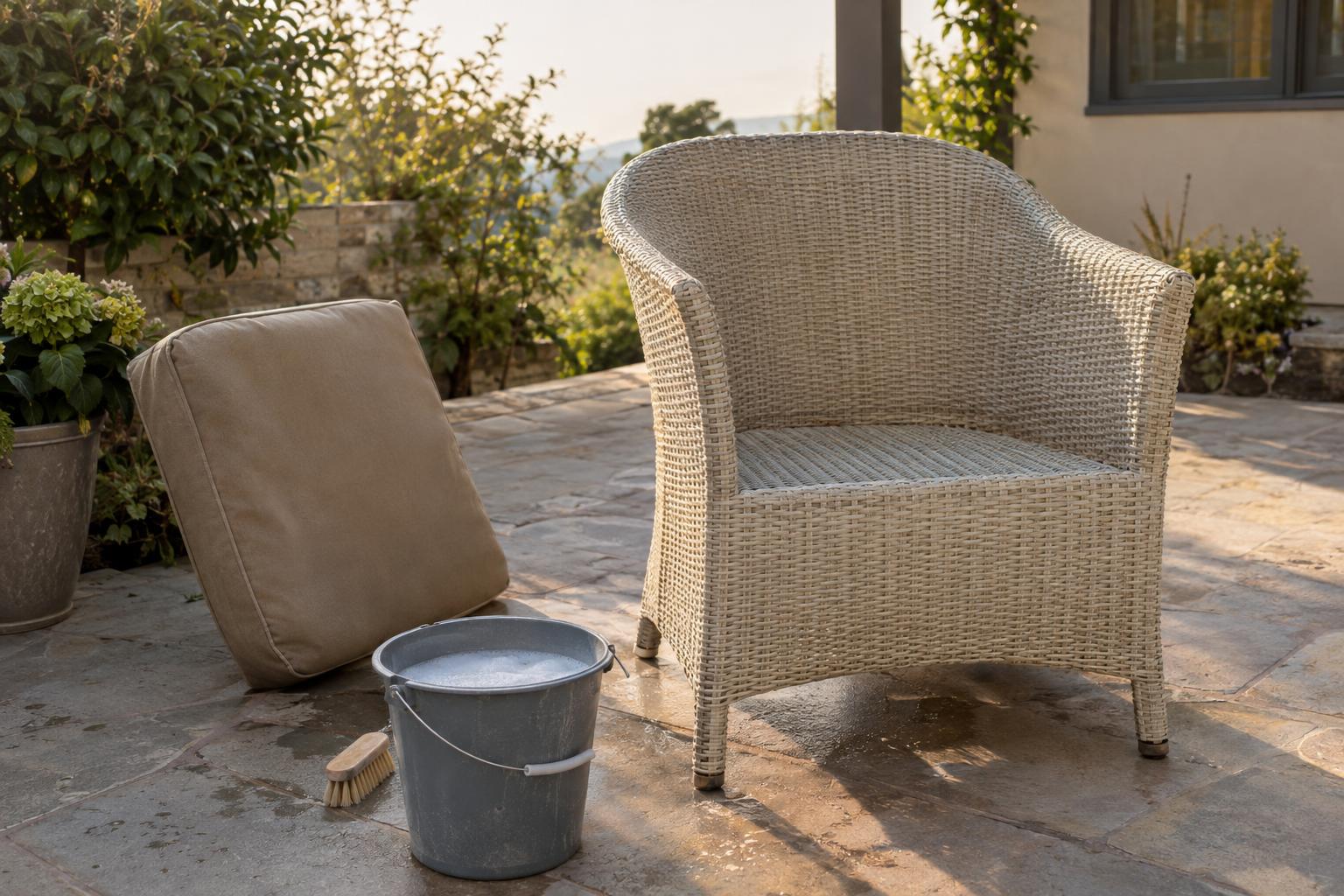
Rinse cushions with a garden hose every 4 to 6 weeks during pollen season and after any heavy storm to prevent staining and mildew buildup. Stand them on edge in sunlight or a breezy spot to speed drying, and store them indoors or under cover during extended rainy stretches or hurricane watches.
Do thicker cushions need different ties or attachment points?
Sometimes. Most dining cushions use two sets of fabric ties at the back corners, and a bulkier 3-inch pad may need slightly longer ties to wrap the frame without pulling the fabric tight or leaving gaps. Check tie length against your chair’s back rail width before ordering replacement pads.
If you’re weighing 2-inch against 3-inch seat pads for your patio table, you can bring your seat measurements and talk through foam and fabric options in person — call (704) 274-3222 or stop by our Charlotte showroom to sit in a few frames and feel the difference in cushion thickness for yourself, or start browsing our outdoor dining chair collection online before you visit.